

October 16, 2026
RAISE Hub: One gateway to Europe’s AI in Science Community
A new online platform to connect researchers, infrastructures, and funders to accelerate AI scientific discovery across Europe Dublin, Ireland, 15 October…


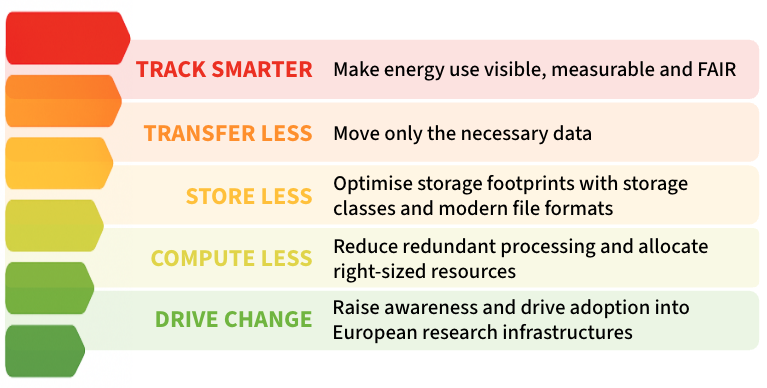
On October 5-6, the ESG4Stars project was launched. ESG4stars aims to reduce the environmental impact of research infrastructures.
The kick-off meeting and the project’s first General Assembly was a combined event on Monday and Tuesday, then used the remaining three days of the week to directly start working on the first project tasks.
The kick-off meeting started with in-person presentations for all work streams (Community, Data, Compute) and packages within the project.
These spawned immediate and productive discussions within and across work streams, and it was great to see a lot of interaction between project participants from the first day!
Day 2 of the meeting brought invited guest presentations about topics adjacent to what this project is trying to do:
Both Dominik and Philipp are members of FONDA, a research programme (CRC 1404) for studying “Foundations of Workflows for Large-Scale Scientific Data Analysis” funded by the Deutsche Forschungsgemeinschaft.
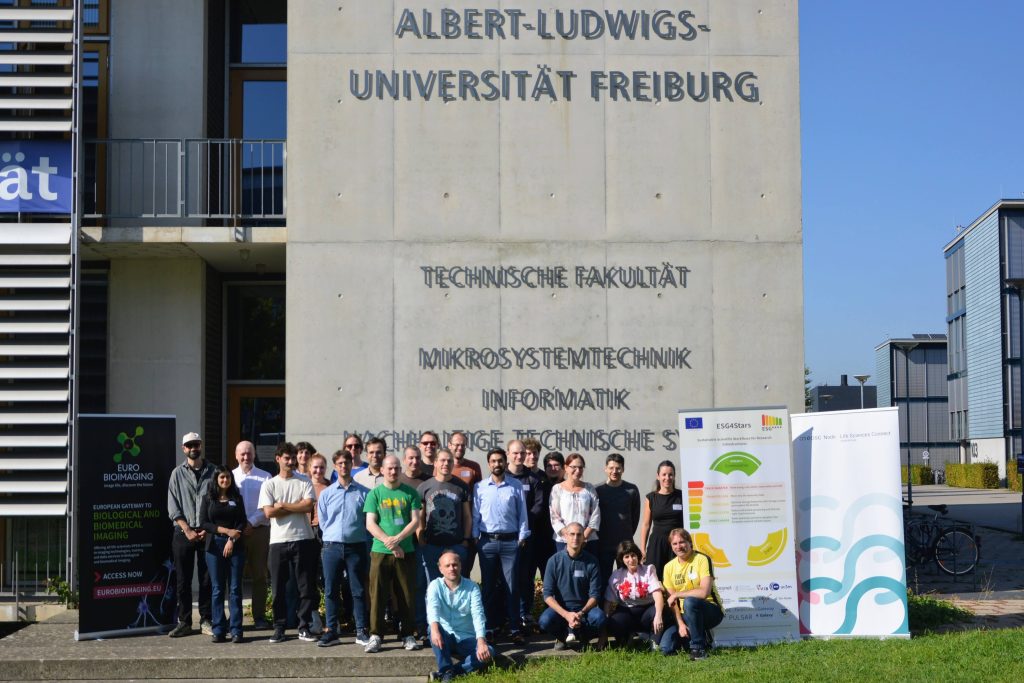
The three remaining days of the week were meant to give project participants the chance to start work in the different streams directly and with face-to-face collaboration. They turned out to be very intense and productive days that yielded progress across all project streams, and helped all participants to find their place in the project and to define how they want to work together.
Here’s an incomplete list of what was done over the three days:
At this impressive speed of progress, we are looking ahead with a lot of confidence to the coming 36 months of this project and to everything we can achieve together.
A really big THANK YOU to all participants for making this possible!
October 16, 2026
A new online platform to connect researchers, infrastructures, and funders to accelerate AI scientific discovery across Europe Dublin, Ireland, 15 October…
October 16, 2026
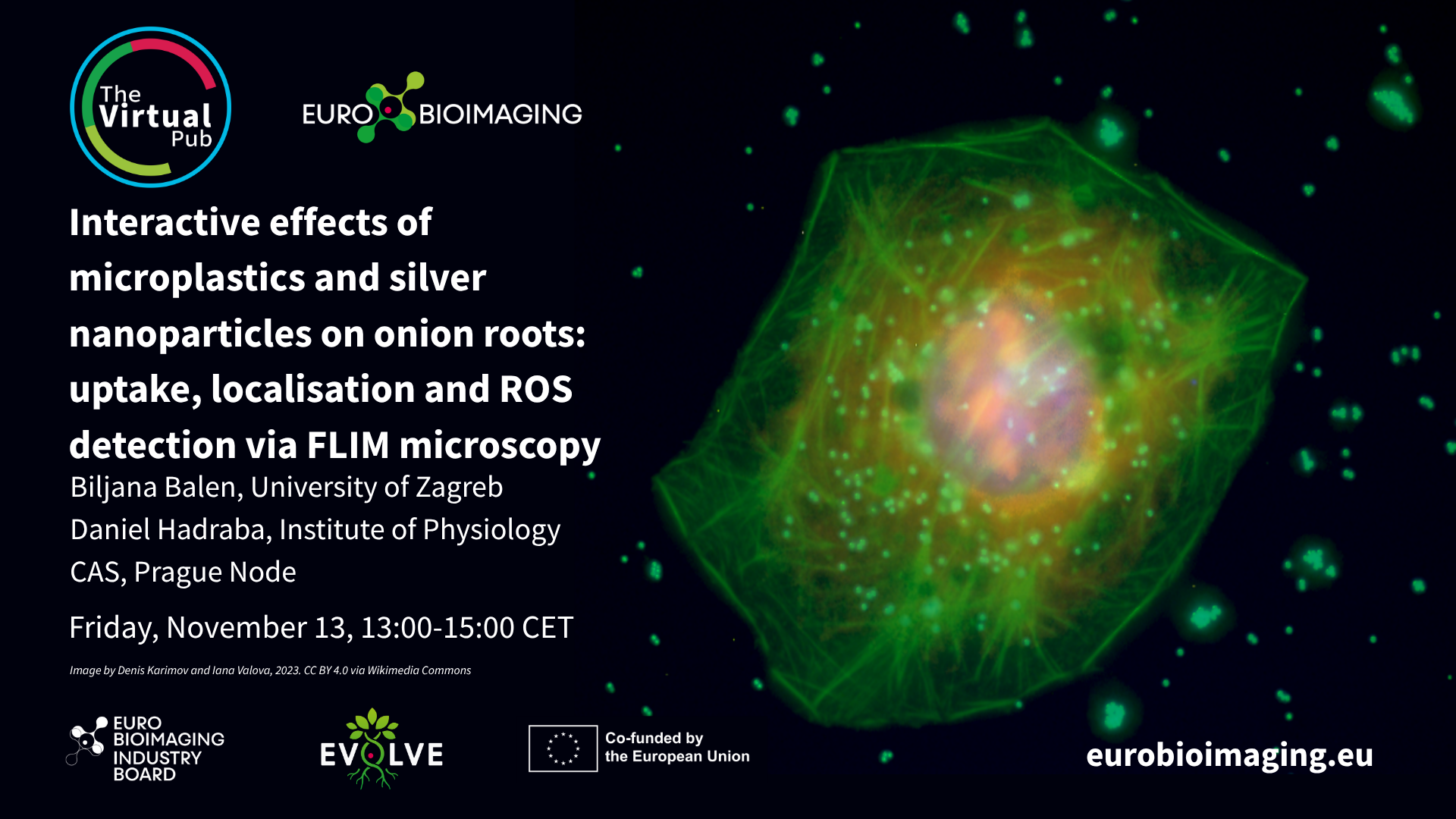
At the Special Edition Virtual Pub, “Imaging Micro- and Nanoplastics,” Euro-BioImaging users, Node experts and Industry partners will explore how advanced microscopy, clinical…
October 16, 2026
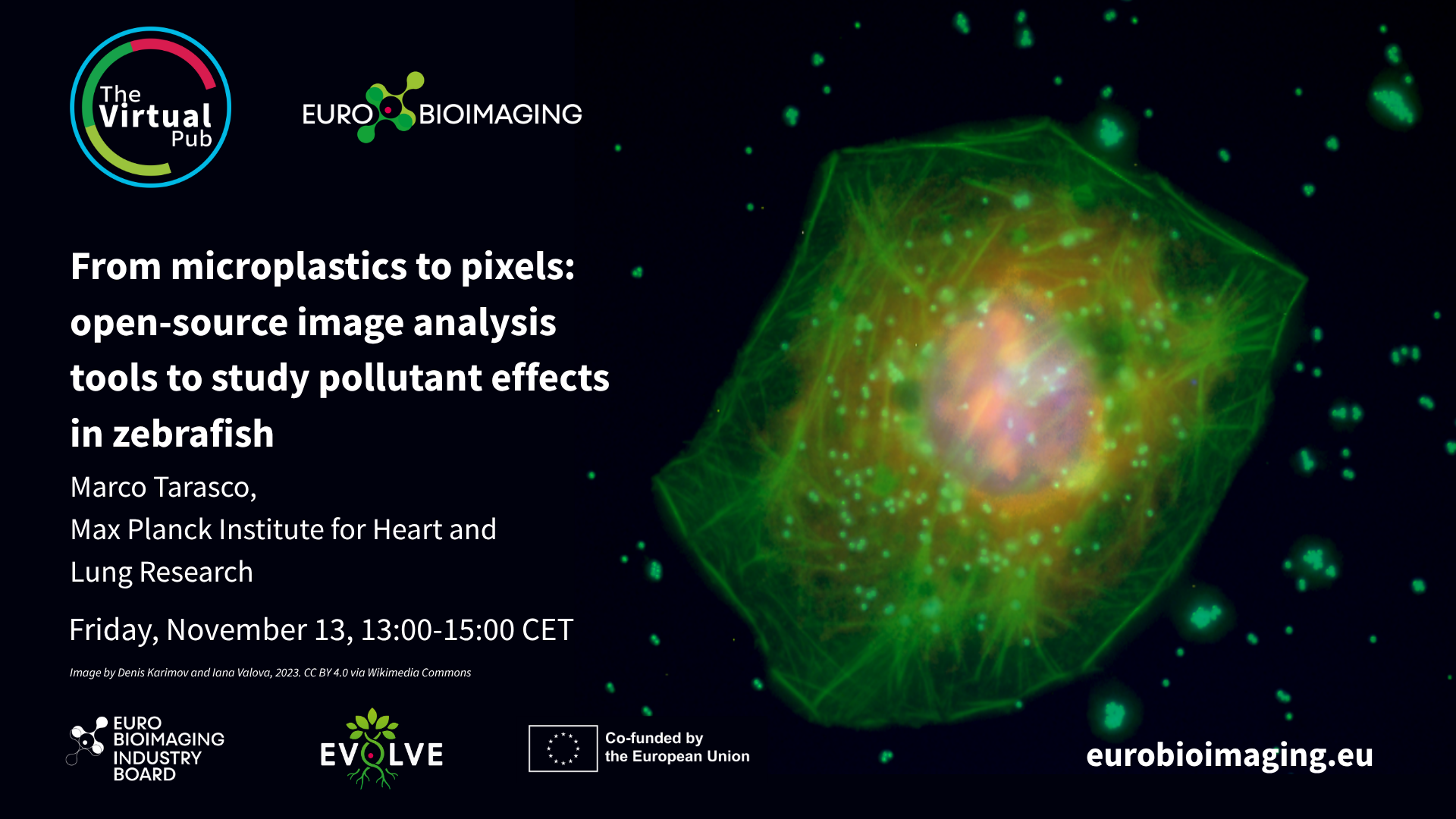
At the Special Edition Virtual Pub, “Imaging Micro- and Nanoplastics,” Euro-BioImaging users, Node experts and Industry partners will explore how advanced microscopy, clinical…