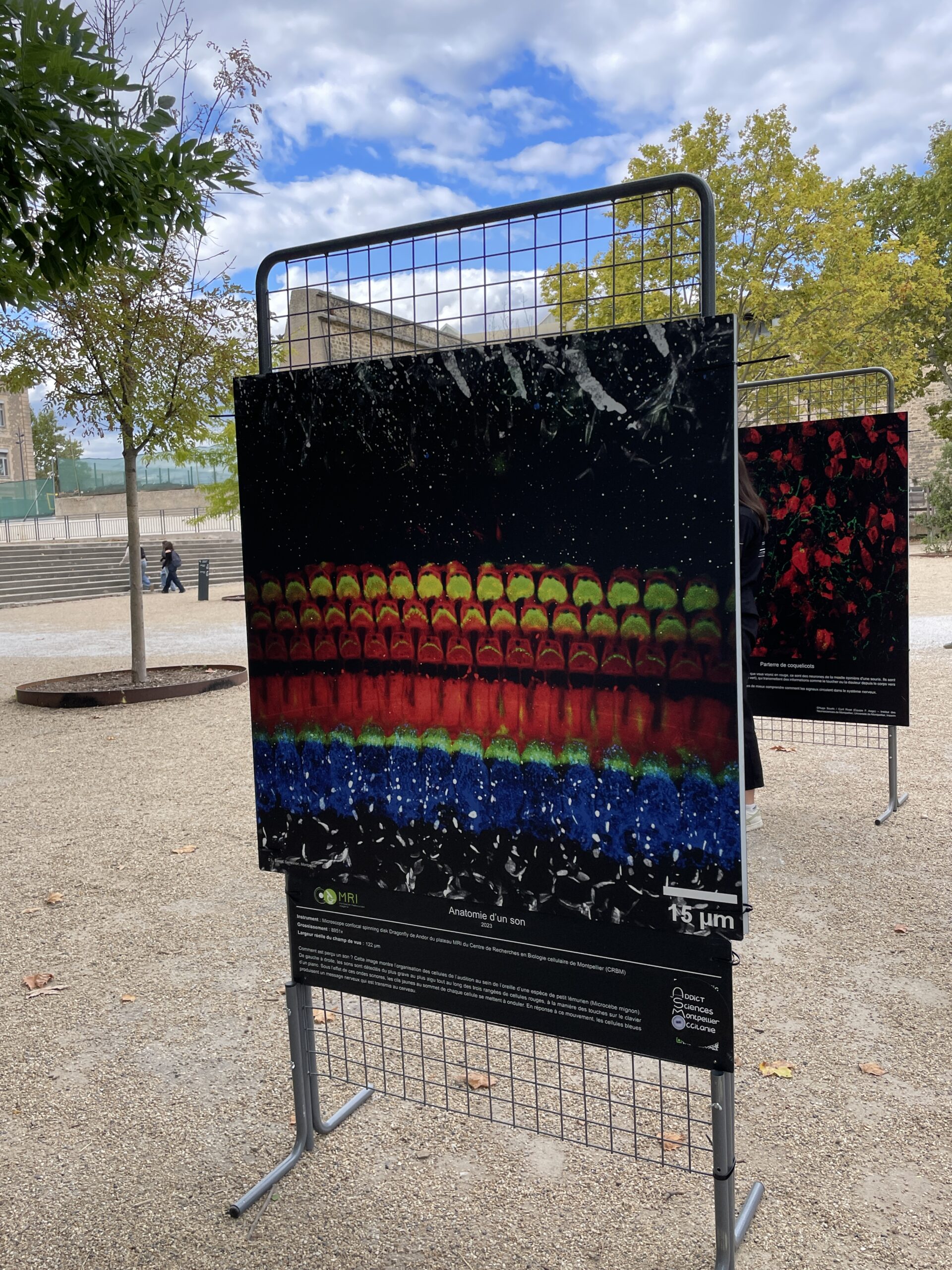
What does imaging bring to daily life? How does international collaboration in science support the development of medications? Ensure food safety? Help us better understand the invisible world around us? With an exceptional gallery of microscopy images entitled “La Vie est Belle!,” our colleagues at the Montpellier Ressources Imagerie (MRI) facility, part of France-BioImaging, in collaboration with Addict aux Sciences, a science communication association, are exploring these questions with citizens, students and school children in the Occitanie region. In a series of events, the “La Vie est Belle” exhibit celebrates the aesthetic and scientific beauty of life as revealed through advanced imaging technologies. An excellent initiative with impressive visibility.
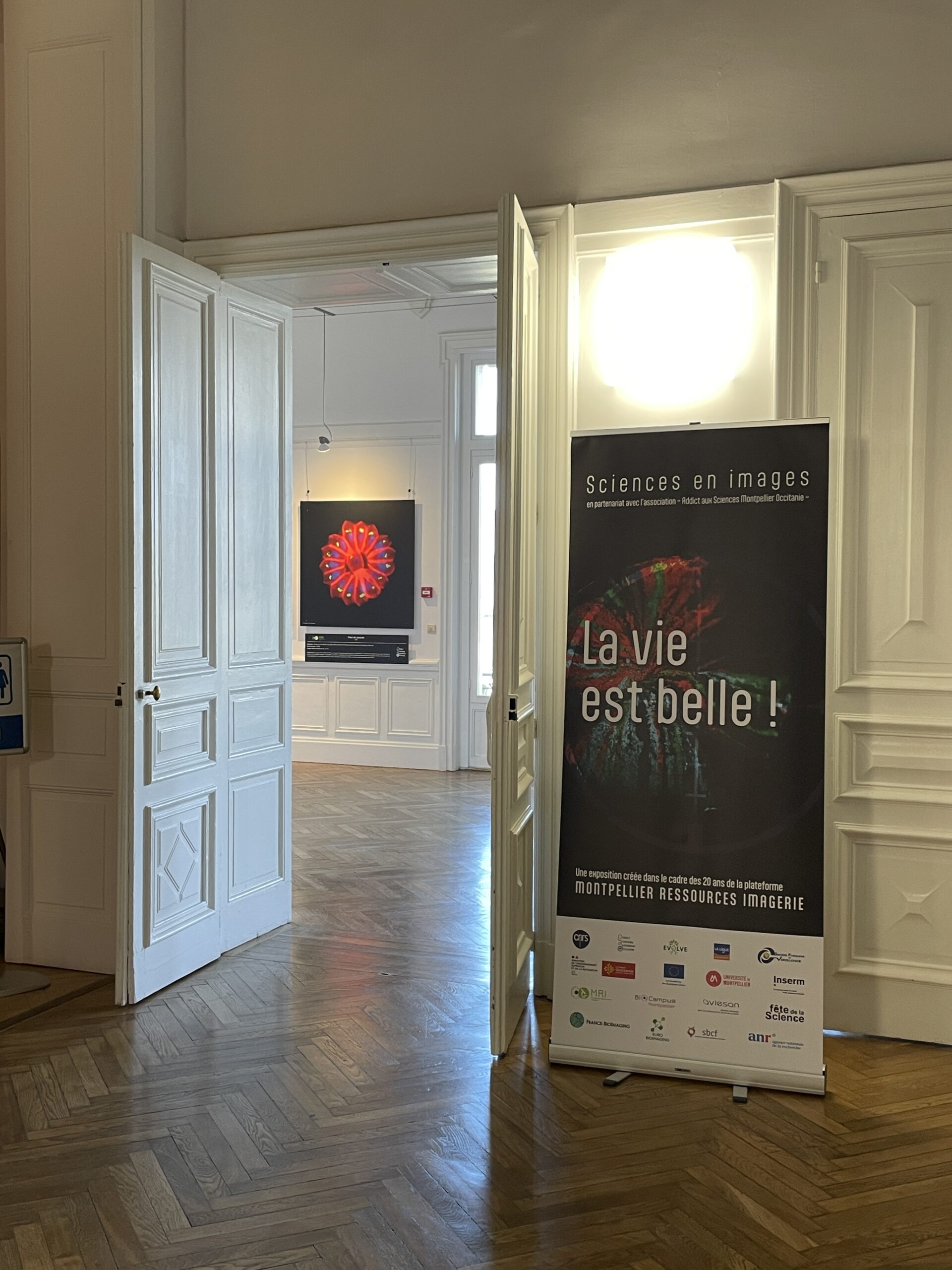
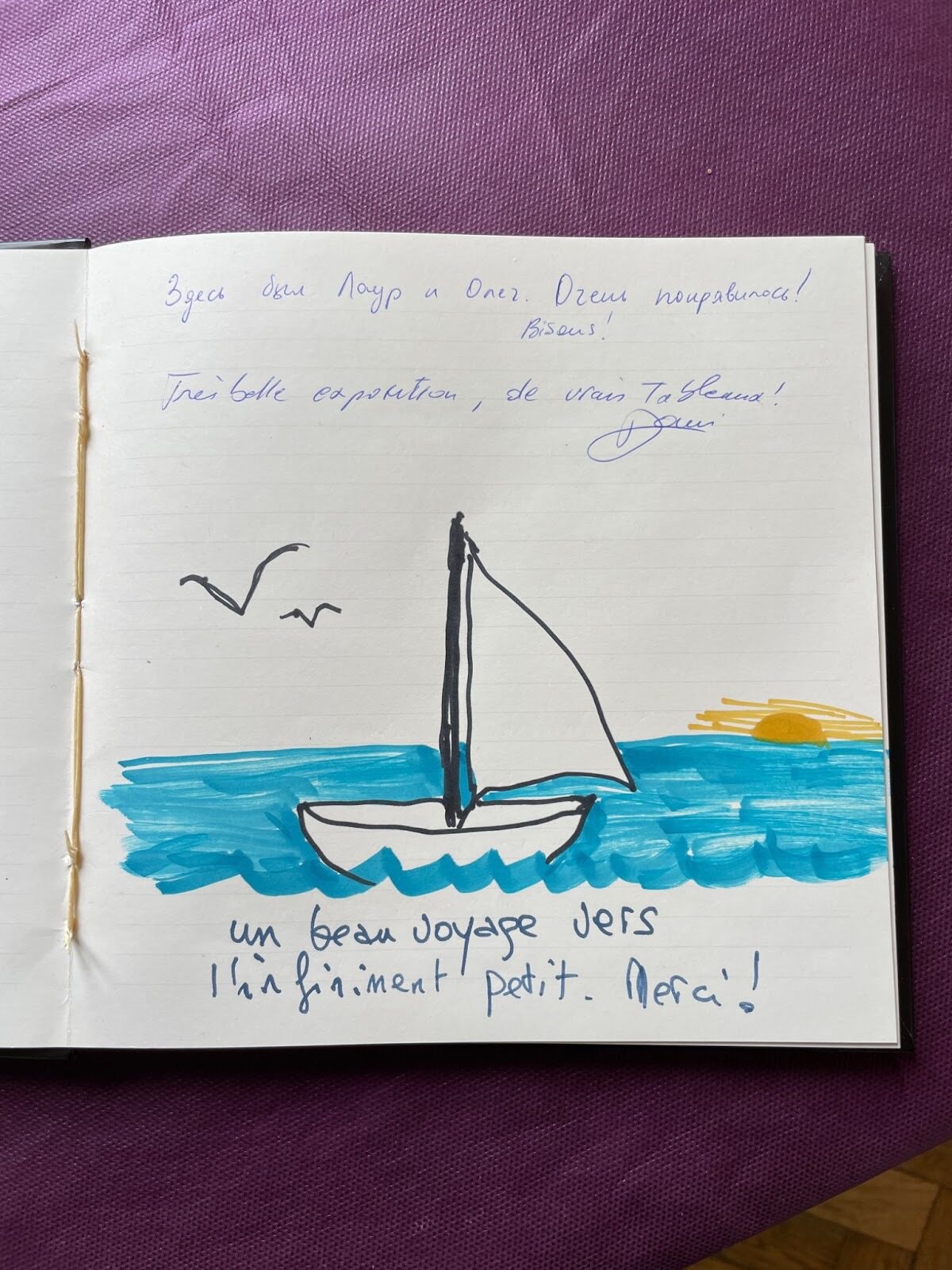
The journey started under the warm September sun. Hosted at Montpellier’s Maison des Relations Internationales during the “What a Trip!” festival, the exhibition invited visitors to embark on a visual journey through the microscopic world. Over four days, nearly 800 visitors explored the gallery, discovering how imaging can transform our perception of living systems. The event successfully blended art, science, and emotion—making the invisible visible to all.
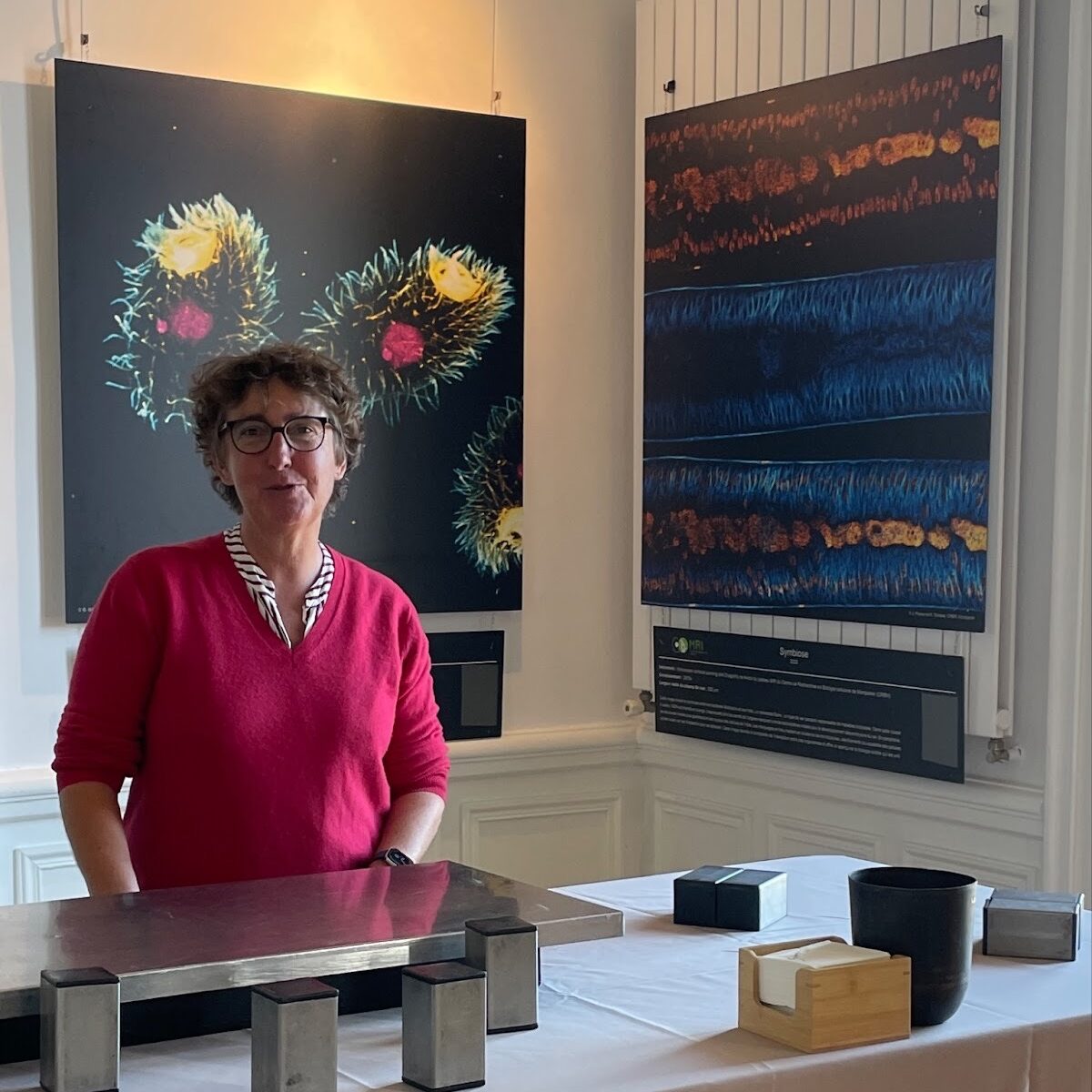
Ariane Abrieu, Addict aux Sciences, at the Maison des Relations Internationales in Montpellier.
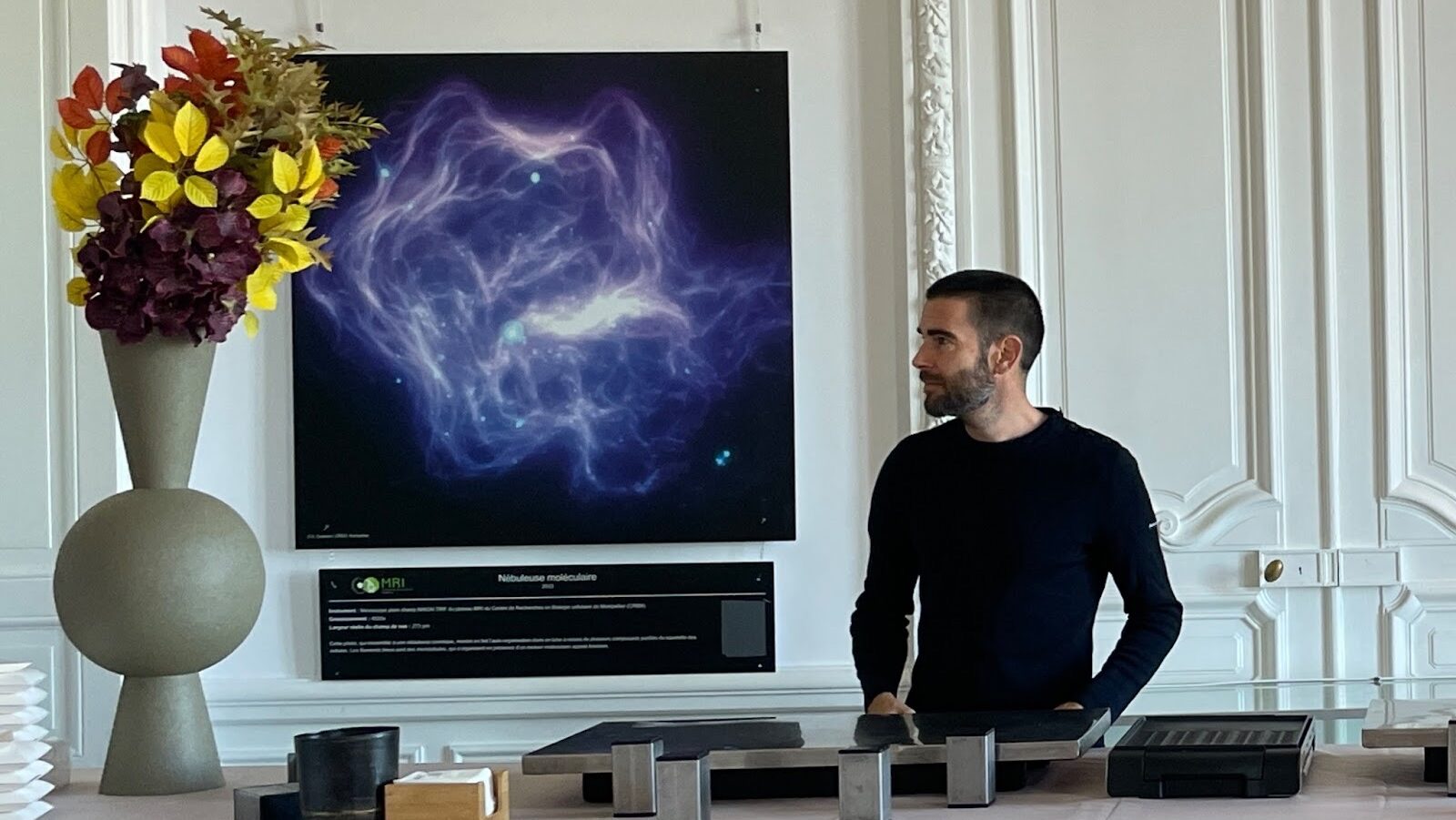
"La Vie est Belle!" exhibiting beautiful images from microscopy at La Maison des Relations Internationales, Montpellier.
Inspiring events for students
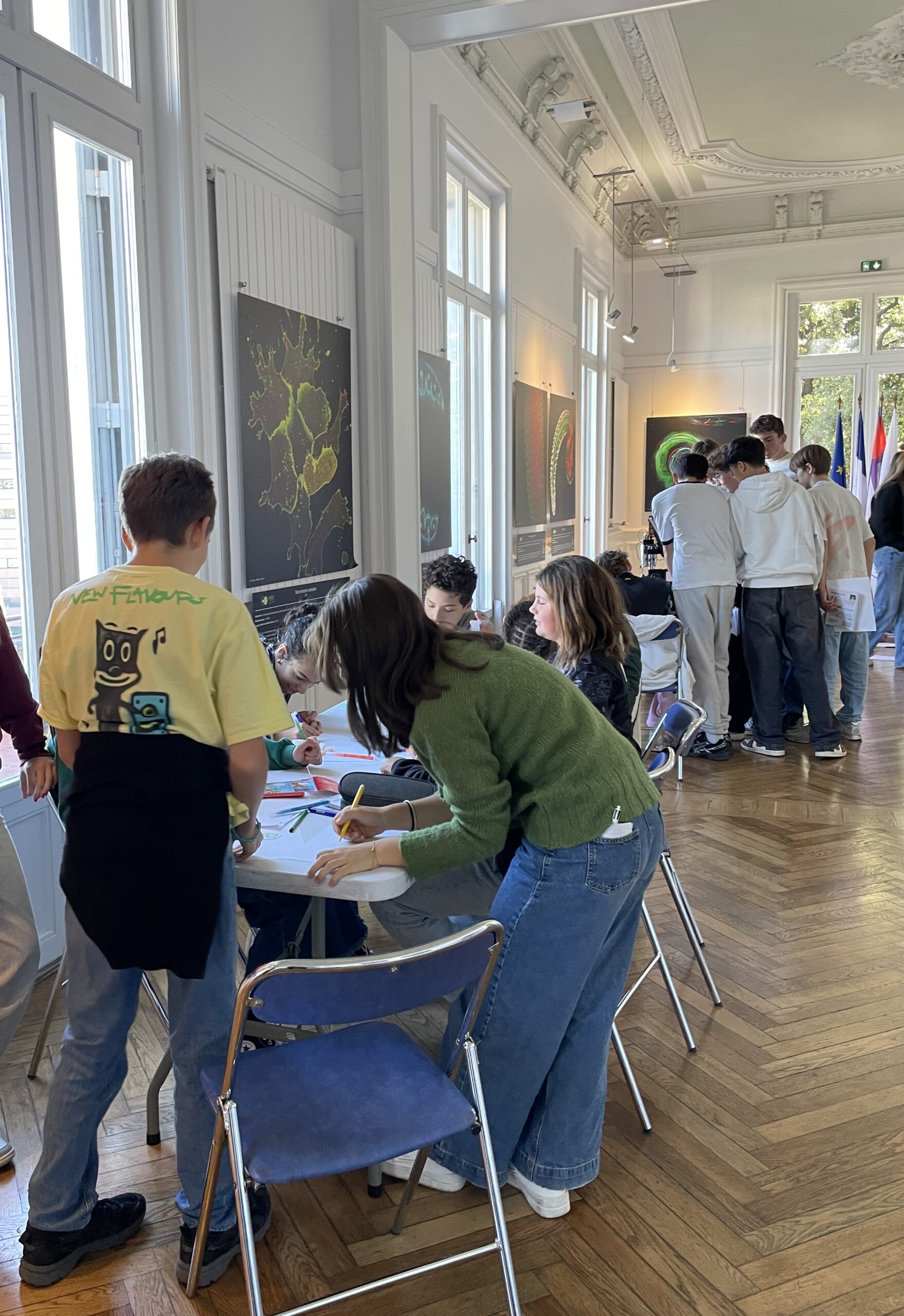
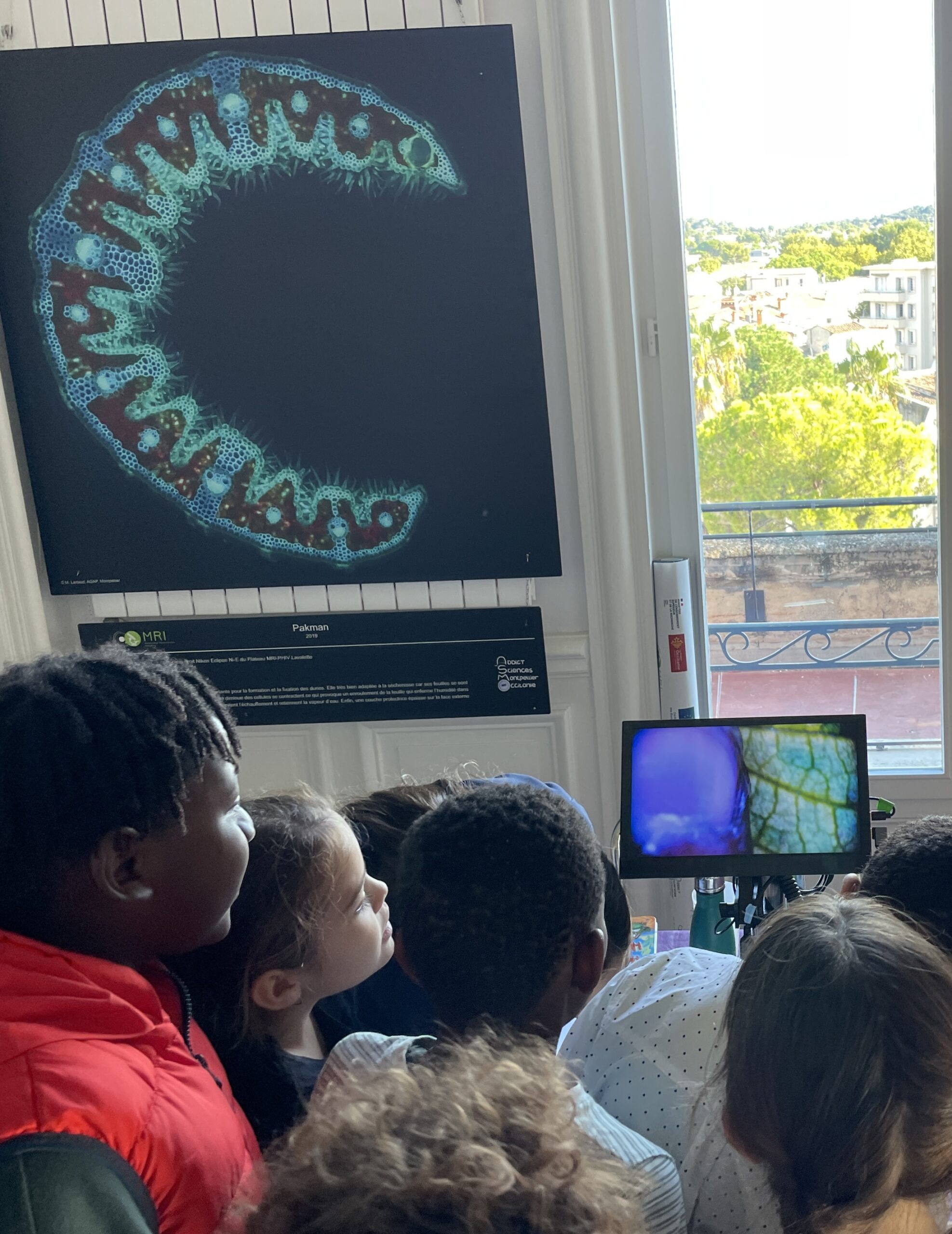
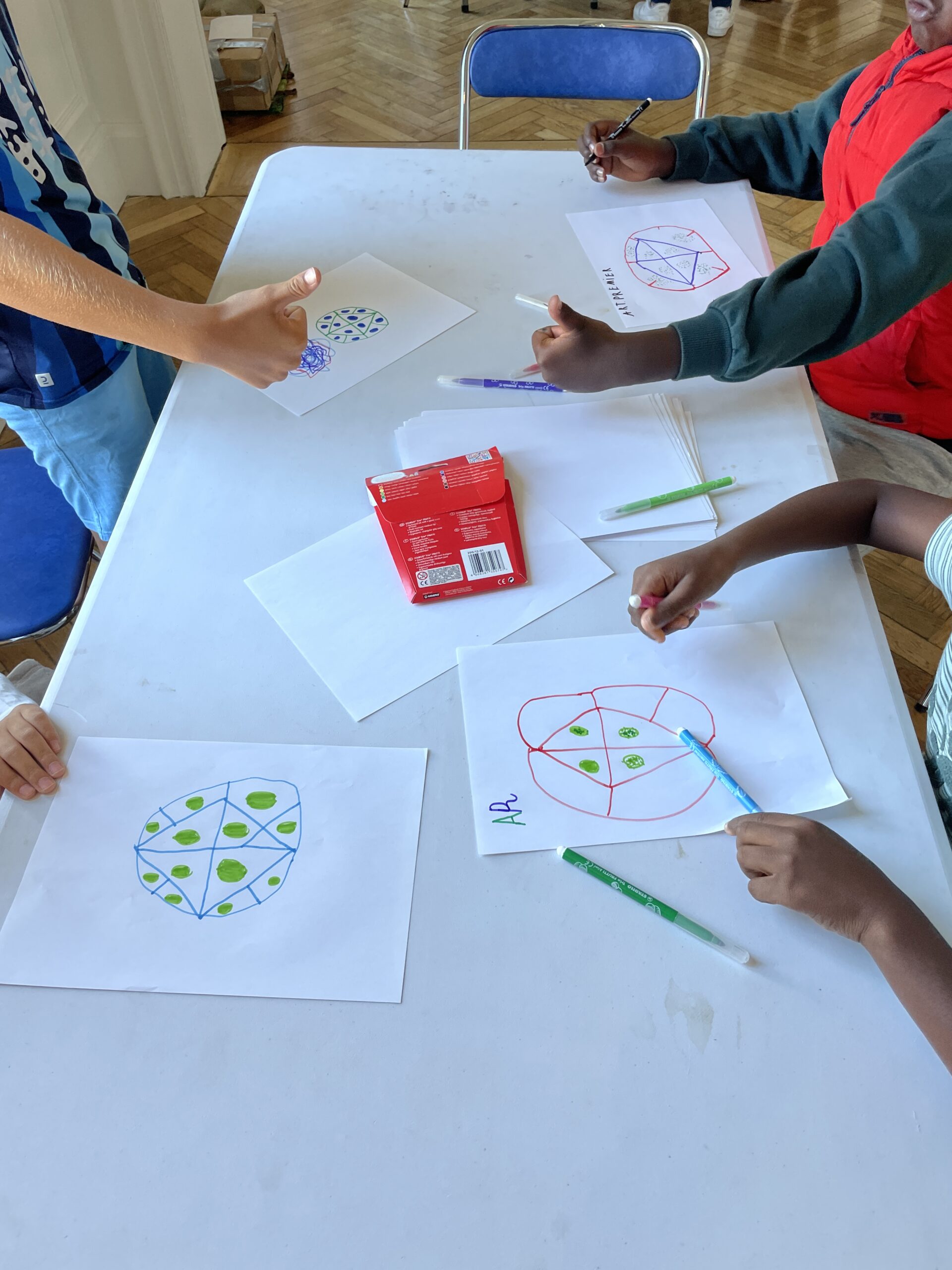
Friday, September 26 was dedicated to school visits, offering immersive educational experiences. Elementary school students participated in interactive workshops where they could decode the genetic code, understand protein synthesis, witness cell division, and even handle microscopes for the first time. Middle school students engaged in open discussions with researchers, learning about their daily work and the paths that led them to scientific careers. These encounters fostered curiosity, dialogue, and a sense of discovery among young audiences.
"La Vie est Belle!" in Montpellier
That same evening, the spirit of science continued with the European Researchers’ Night, hosted in the courtyard of Lycée Joffre in Montpellier. There, a complementary selection of microscopy images from MRI illuminated the event, which gathered around 170 researchers and attracted approximately 1,500 visitors. The presence of Euro-BioImaging-supported visuals provided a compelling bridge between scientific research and the public, highlighting how imaging reveals the unseen mechanisms of life.
From Montpellier to Pézénas
Following its success in Montpellier, “La Vie est Belle!” is now in Pézénas, where it will be displayed for over a week (October 24-November 2) as part of the “Temps d’Expo” photography festival. Installed in the historic courtyard of the town hall, the outdoor exhibition will invite spontaneous discovery for passers-by, blending scientific beauty with the cultural heritage of the region.
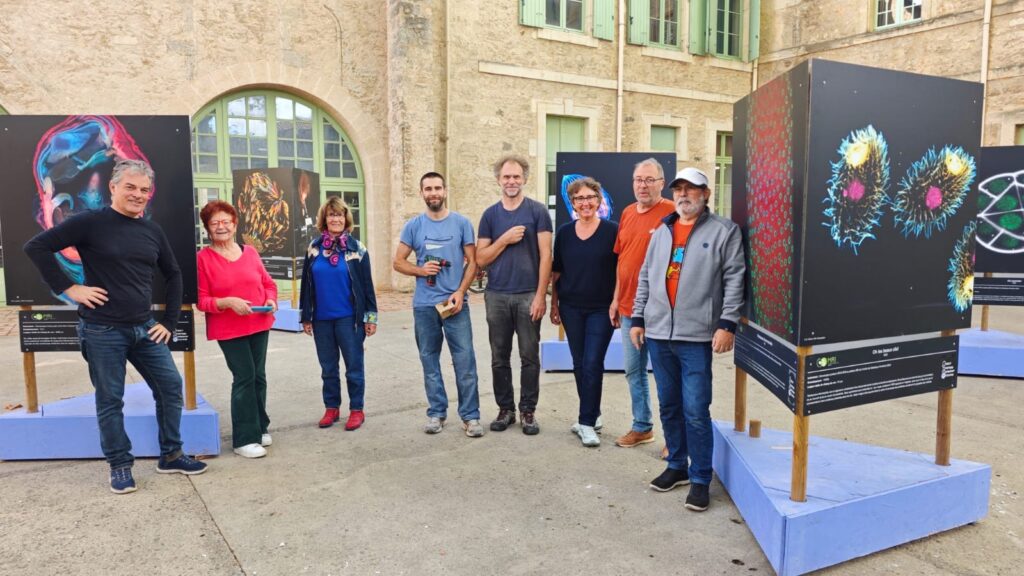
In the centre of the picture, from left to right, Sylvain de Rossi and Patrick Lemaire (MRI), Ariane Abrieu (Addict aux Sciences), with festival organisers and volunteers on either side, in Pezenas.
The inauguration of the exhibit will take place on Friday, October 31, with Patrick Lemaire of the Montpellier Ressources Imagerie. Marianna Childress-Poli, Euro-BioImaging Communications Officer, will represent the EVOLVE project at this event.
Support from the EVOLVE project
This initiative was supported by the EVOLVE project to raise awareness of bioimaging and the mission of Euro-BioImaging among the local community. Beyond its aesthetic appeal, the exhibition embodies a deeper ambition: to strengthen the connection between science and society. By inviting imaging engineers and researchers to meet the public, the project creates a space for dialogue, transparency, and trust in science.
Ultimately, “La Vie est Belle!” stands as a testament to the beauty of the microscopic world and the collaborative spirit that drives European research. Through these images, Euro-BioImaging’s mission—to make cutting-edge imaging accessible, understandable, and inspiring—comes vividly to life.
Article contributed by Ariane Abrieu, Addict aux Sciences
About "La Vie est Belle!"
Originally conceived to celebrate the 20th anniversary of MRI in 2023, this evolving exhibition has since become a powerful communication tool—travelling across France from the Jardin des Plantes in Montpellier to the Phot’Aubrac Festival and other national events. Each new presentation refines the concept and expands its reach, confirming the strong public interest in scientific imaging as both an artistic and educational experience.
More news from Euro-BioImaging
April 7, 2026
canSERV User Meeting highlights impact and future perspectives for cancer research in Europe
The canSERV Annual Meeting, held in Brussels from 25–27 March 2026, brought together researchers, service providers, Research Infrastructures, policymakers, and patient representatives to reflect…
We were delighted to take part in the 21st European Molecular Imaging Meeting (EMIM), held in Ljubljana, Slovenia, from March 24–27, 2026. The conference…
Euro-BioImaging Welcomes its 2026 Scientific Ambassadors Cohort
Following the continued success of the Scientific Ambassadors programme, Euro-BioImaging is delighted to welcome its 2026 cohort. Building on the strong foundation laid by…