
October 21, 2026
ESG4Stars project launched
On October 5-6, the ESG4Stars project was launched. ESG4stars aims to reduce the environmental impact of research infrastructures. The kick-off meeting and…



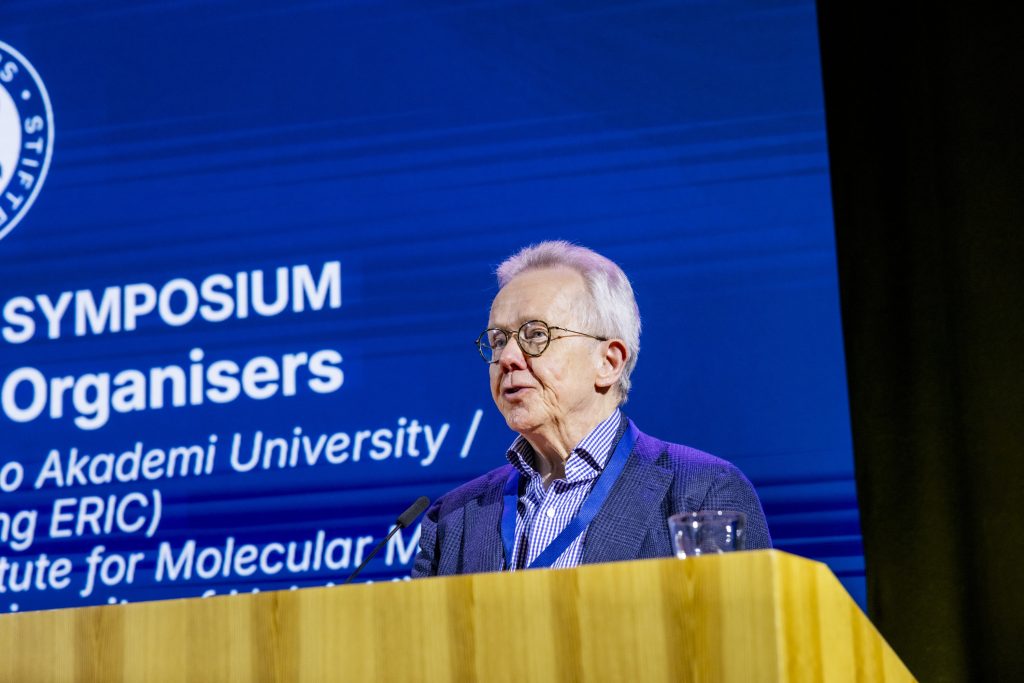
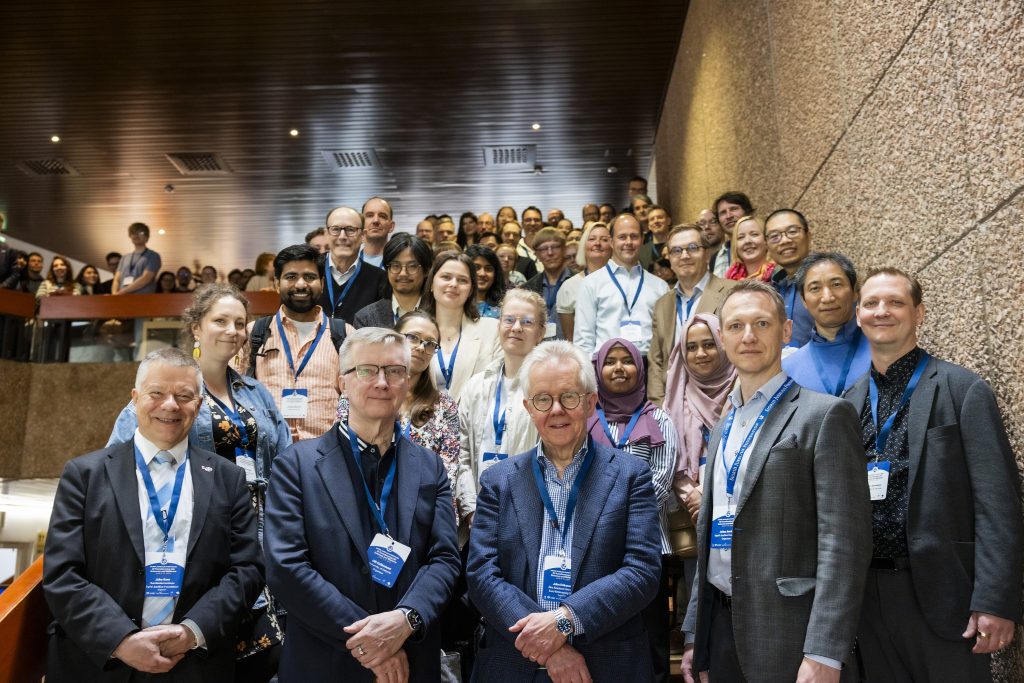
Close to 200 researchers, clinicians, technology developers, industry representatives, and policy experts gathered in Espoo, Finland, for the 2026 Sigrid Jusélius Symposium, AI Transforming Life Sciences and Medicine . Over four days, participants explored how artificial intelligence is reshaping biomedical research, healthcare, and scientific discovery. The symposium was coordinated by Professor Olli Kallioniemi (University of Helsinki/FIMM) and Professor John Eriksson (Åbo Akademi University and Director General of Euro-BioImaging ERIC), and was organized through a broad collaboration involving Euro-BioImaging together with colleagues from Åbo Akademi University, the University of Turku, the University of Helsinki, FIMM, the ELLIS Institute, the University of Eastern Finland, and the University of Oulu. The meeting highlighted the growing strengths of Europe at the intersection of AI, biomedical research, imaging, health data, and advanced computing.
One message stood out clearly: AI is becoming an essential part of the research ecosystem, and its success depends on something that research infrastructures have always provided, i.e. high-quality data, advanced technologies, expert support, and trusted scientific communities.
Throughout the symposium, speakers demonstrated how AI is accelerating discoveries from molecular biology to population health. Applications ranged from image analysis and diagnostics to drug discovery, foundation models, and the integration of imaging, genomics, and clinical data. Yet many speakers emphasized that AI alone is not enough. Reliable results require well-curated data, robust standards, scientific expertise, and careful validation.
Across our Nodes, experts already help researchers generate high-quality imaging data, apply advanced image analysis methods, and navigate increasingly complex data workflows. As AI becomes more deeply integrated into research, these capabilities become even more important.
The symposium also highlighted a major opportunity for the Euro-BioImaging Node landscape. AI is creating new connections between disciplines that traditionally operated separately, bringing together biologists, clinicians, imaging scientists, computer scientists, engineers, mathematicians, and data specialists. Euro-BioImaging’s multidisciplinary community is uniquely positioned to support these collaborations and help researchers move seamlessly from scientific questions to technological solutions.
Training emerged as another key theme. Future scientists will need not only imaging skills but also AI literacy, data literacy, and the ability to critically assess AI-generated results. This creates exciting opportunities for Euro-BioImaging Nodes to expand training activities and support the next generation of researchers across Europe.
The discussions also reinforced the importance of FAIR and AI-ready data. Research infrastructures can play a leading role in developing trusted data resources, harmonized standards, and responsible approaches to AI. As Europe invests heavily in initiatives such as AI Factories, the European Health Data Space, EOSC, and large-scale health and imaging platforms, Euro-BioImaging is well positioned to contribute expertise, services, and community-driven solutions.
The overall conclusion of the symposium was optimistic. AI should not replace scientists or research infrastructures. Instead, it should increase the value of expert communities, trusted services, and collaborative ecosystems. For Euro-BioImaging, this represents a significant opportunity to strengthen its role as a gateway where imaging, data, AI, expertise, and scientific collaboration come together to accelerate discovery and innovation.
The future of AI-enabled science will not be built by algorithms alone. Instead, it will be built by people, technologies, data, and infrastructures working together. As a conclusion from the meeting, it was clear Euro-BioImaging is ready to help make that future a reality.
October 21, 2026
On October 5-6, the ESG4Stars project was launched. ESG4stars aims to reduce the environmental impact of research infrastructures. The kick-off meeting and…

October 16, 2026
A new online platform to connect researchers, infrastructures, and funders to accelerate AI scientific discovery across Europe Dublin, Ireland, 15 October…
October 16, 2026
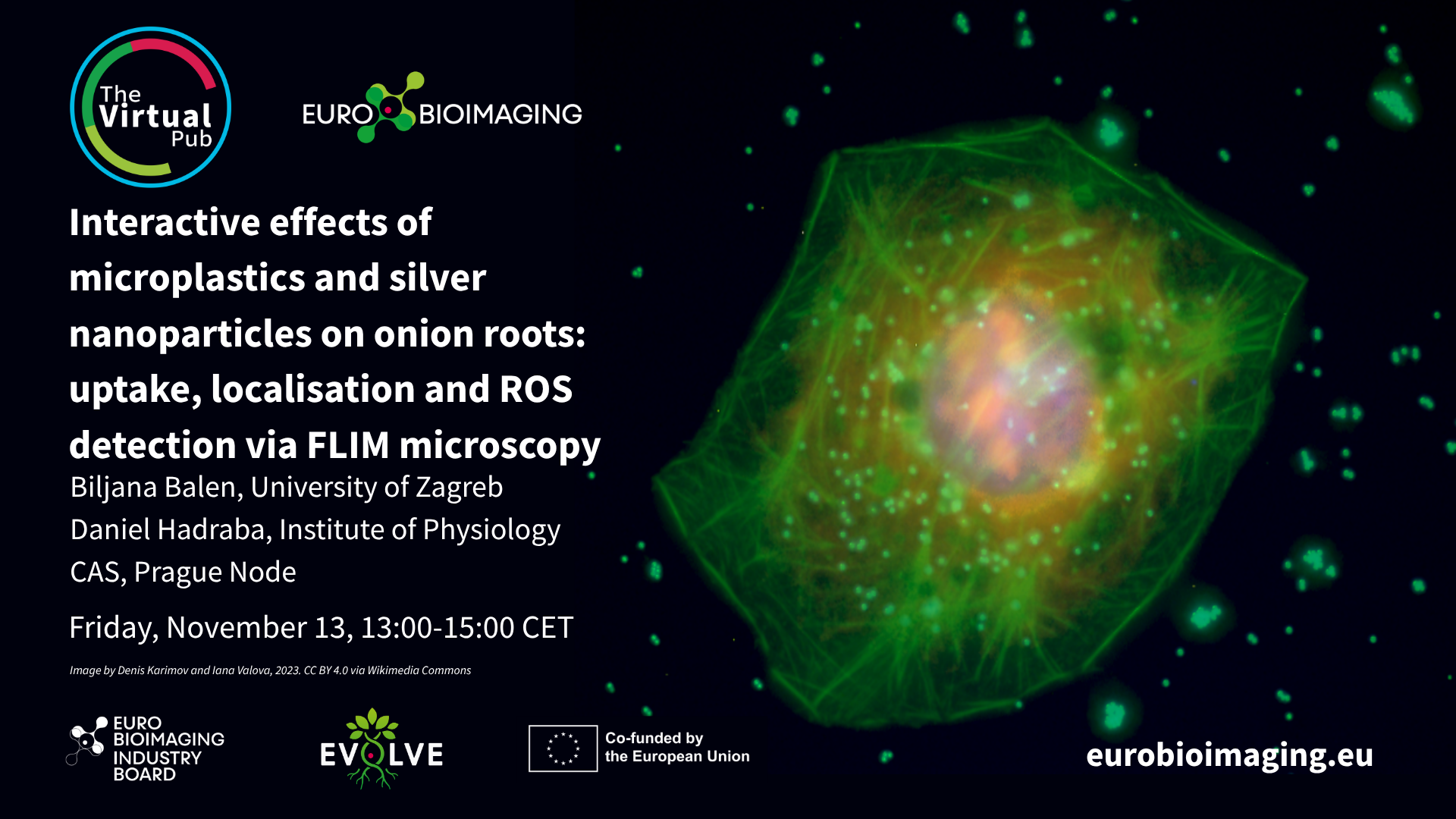
At the Special Edition Virtual Pub, “Imaging Micro- and Nanoplastics,” Euro-BioImaging users, Node experts and Industry partners will explore how advanced microscopy, clinical…