
October 8, 2026
Euro-BioImaging at ‘Data Stewardship goes Germany – from going to growing’
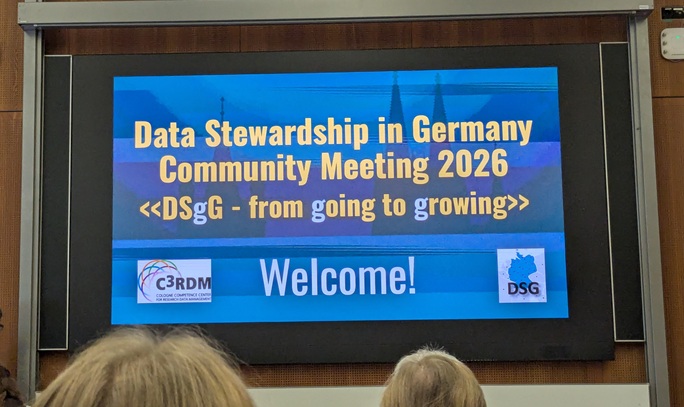
This September, Euro-BioImaging was part of the Data Stewardship goes Germany (DSgG) Community Meeting in Cologne. Under the theme “from going to…


The second edition of the "Introduction to Image Analysis with Python for Life Scientists" course marked another successful milestone in the development of Euro-BioImaging's distributed training model. Building on the success of the first edition, this year's course expanded to four interconnected training sites, bringing together participants and trainers across Europe while minimizing travel and reducing the environmental impact of training activities.
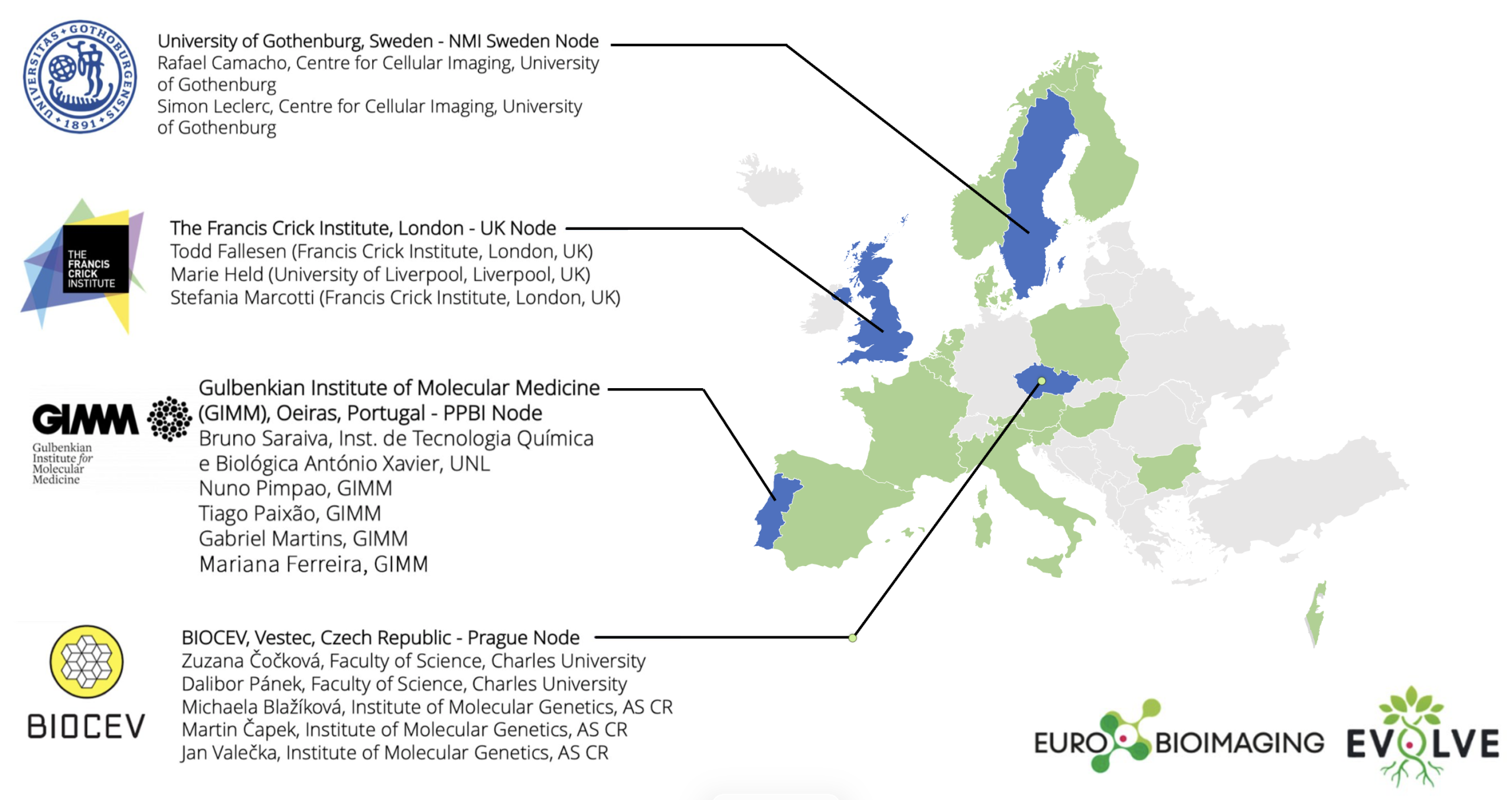
Organised within the framework of the EVOLVE project (GA 101130986), the course was coordinated by the Euro-BioImaging Hub in collaboration with several Euro-BioImaging Nodes. The training took place simultaneously at the University of Gothenburg, Sweden – NMI Sweden Node, Gulbenkian Institute of Molecular Medicine (GIMM), Oeiras, Portugal – PPBI Node, The Francis Crick Institute, London & University of Liverpool, UK – UK Node and BIOCEV, Vestec, Czech Republic – Prague Node.
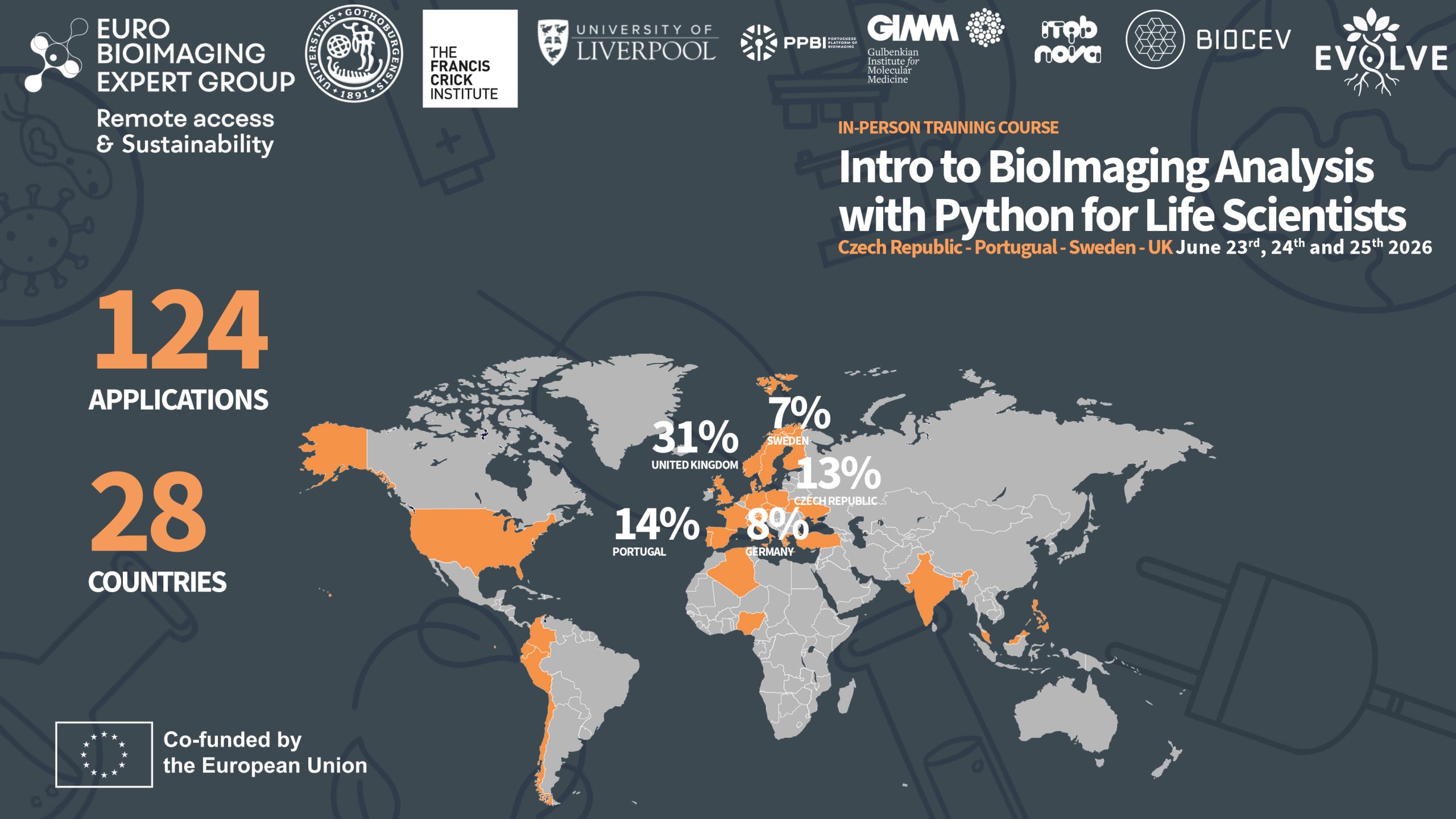
The second edition of the course attracted over 120 registrations from 28 countries, reflecting an even higher level of interest than the inaugural edition. Due to the hands-on nature of the training, places were limited, and 55 participants were selected to attend across the four training sites.
The majority of participants were based close to one of the hosting sites, while others travelled from different regions within the host countries. The course also welcomed an international audience, with approximately 20% of participants coming from Non-European countries, further demonstrating the growing recognition of this distributed training format.
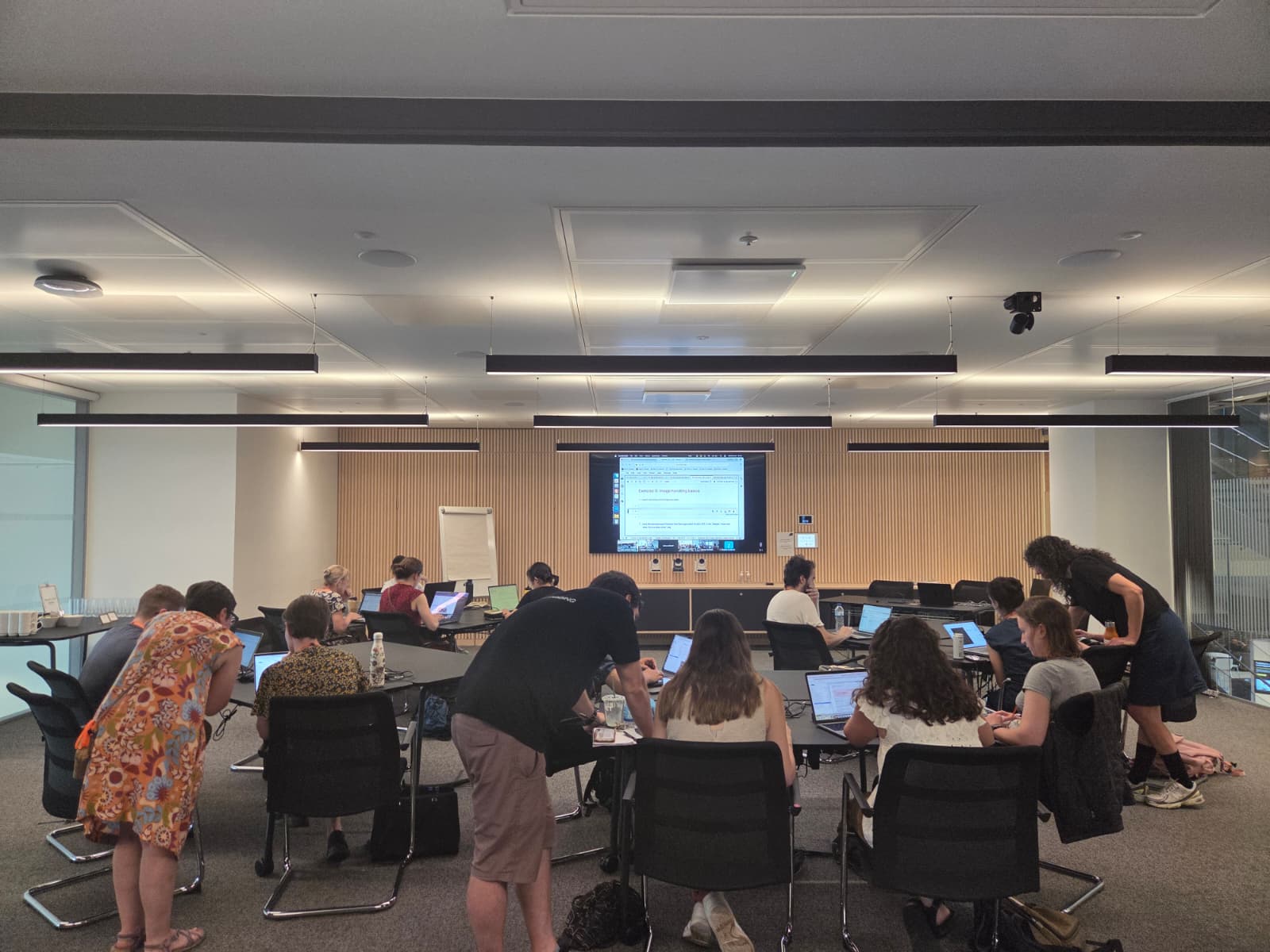
As in the first edition, the course maintained a strong emphasis on interactive, small-group learning. Participants benefited from extensive hands-on sessions supported by dedicated local image analysts at each site, ensuring personalized guidance throughout the practical exercises. The participant cohort was composed primarily of PhD students, alongside a substantial number of imaging scientists, core facility staff, postdoctoral researchers, and other life science researchers seeking to develop practical skills in Python for bioimage analysis.
The distributed training model offers numerous advantages for both participants and trainers. It combines the benefits of in-person, hands-on learning with the opportunities provided by an internationally connected classroom. Participants receive direct support from local trainers and image analysts while simultaneously interacting with peers and instructors across multiple European training sites, fostering a broader learning community and encouraging collaboration beyond institutional and national boundaries. By hosting the course simultaneously at several locations, most participants were able to attend a nearby site, significantly reducing travel requirements. This approach not only makes high-quality training more accessible to a wider audience but also lowers travel costs and contributes to a smaller environmental footprint, supporting more sustainable research training practices which goes in line with Euro-BioImaging's sustainability goals and strategy.
Beyond the course itself, the distributed model strengthens collaboration within the Euro-BioImaging community by bringing together trainers, image analysts, and facility staff from different Nodes. It encourages the harmonisation of training materials and teaching practices across Europe, while also providing valuable opportunities for early-career image analysts and Node staff to develop their teaching skills and gain experience in delivering collaborative, international training.
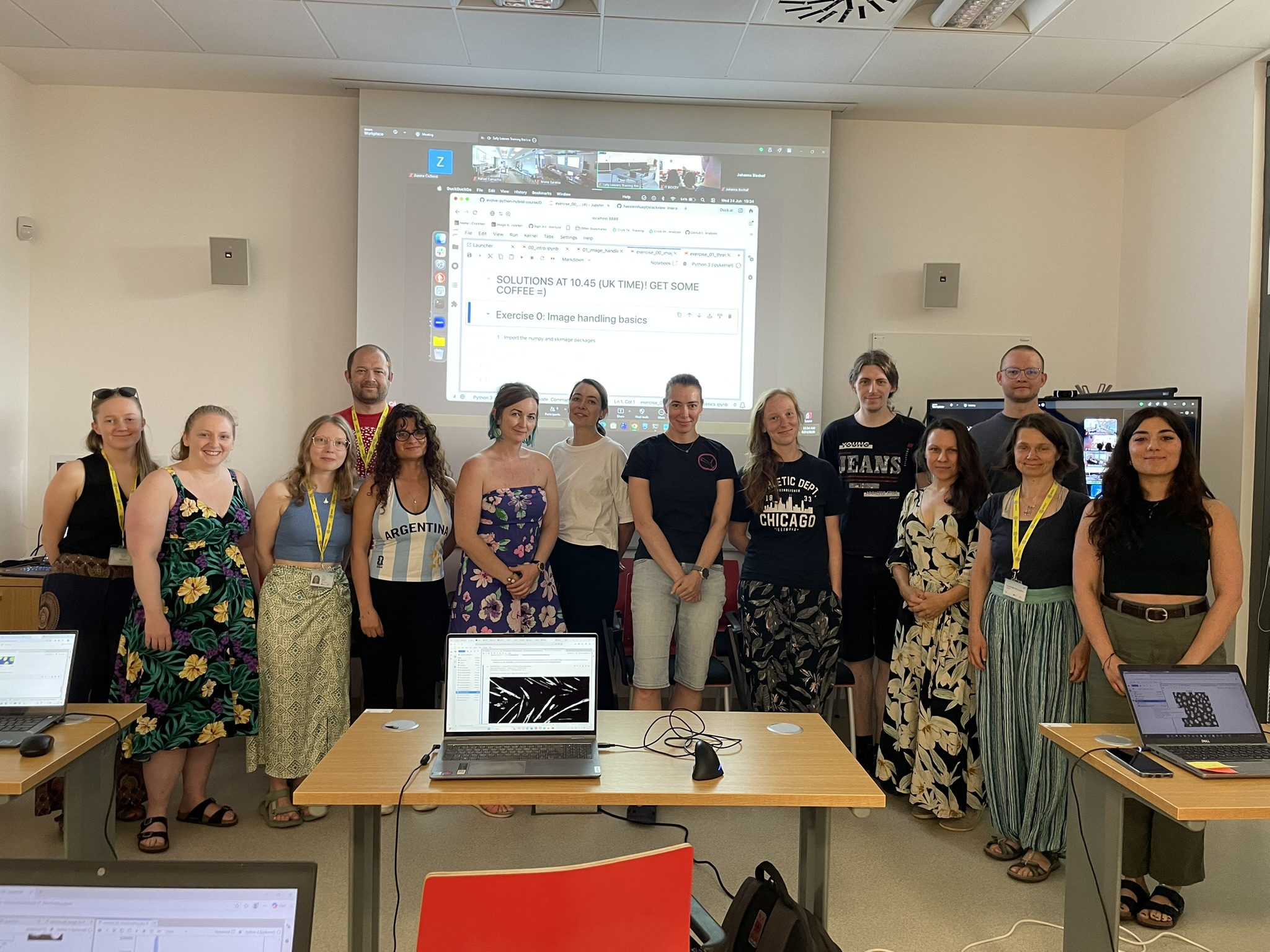
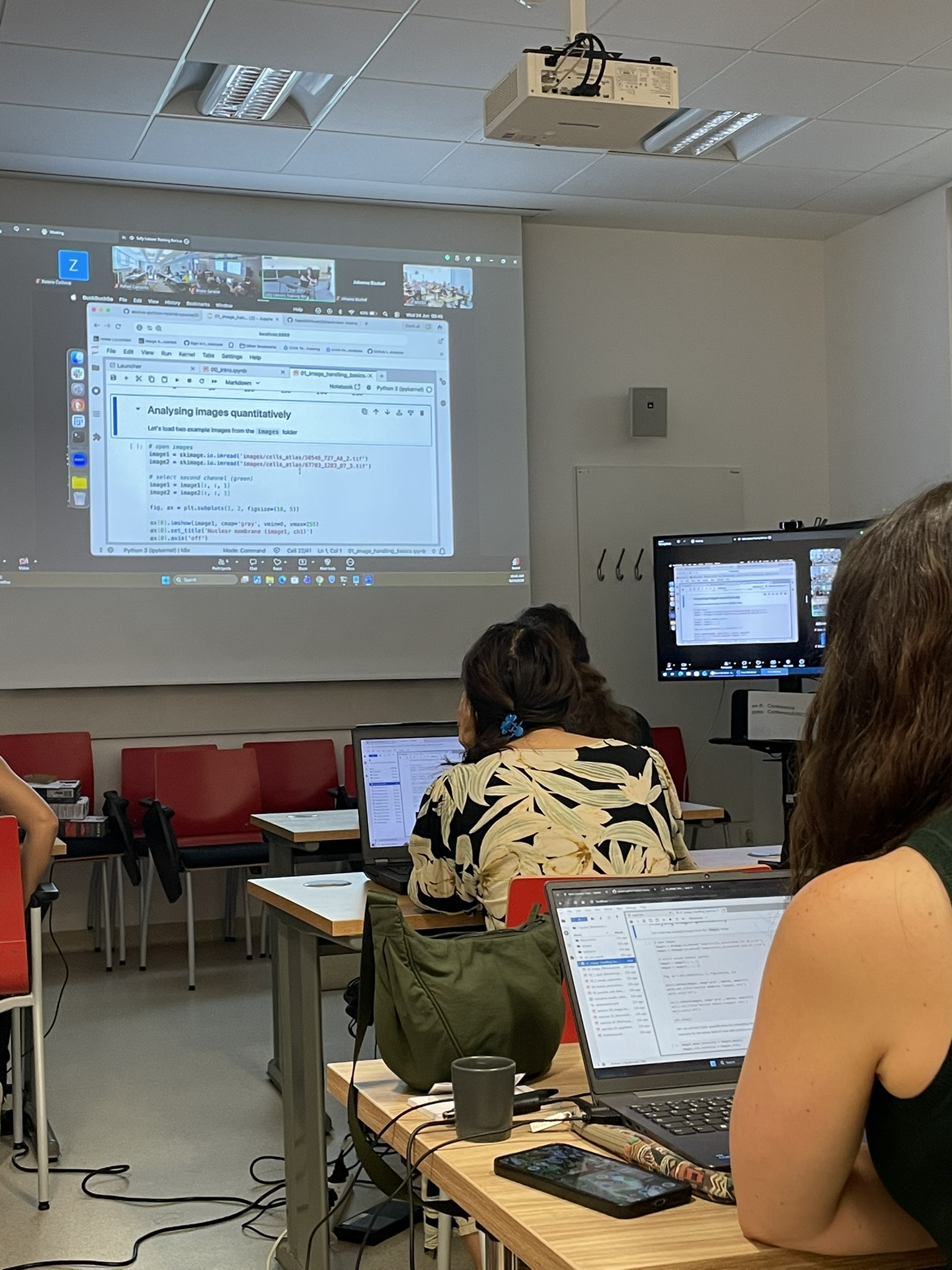
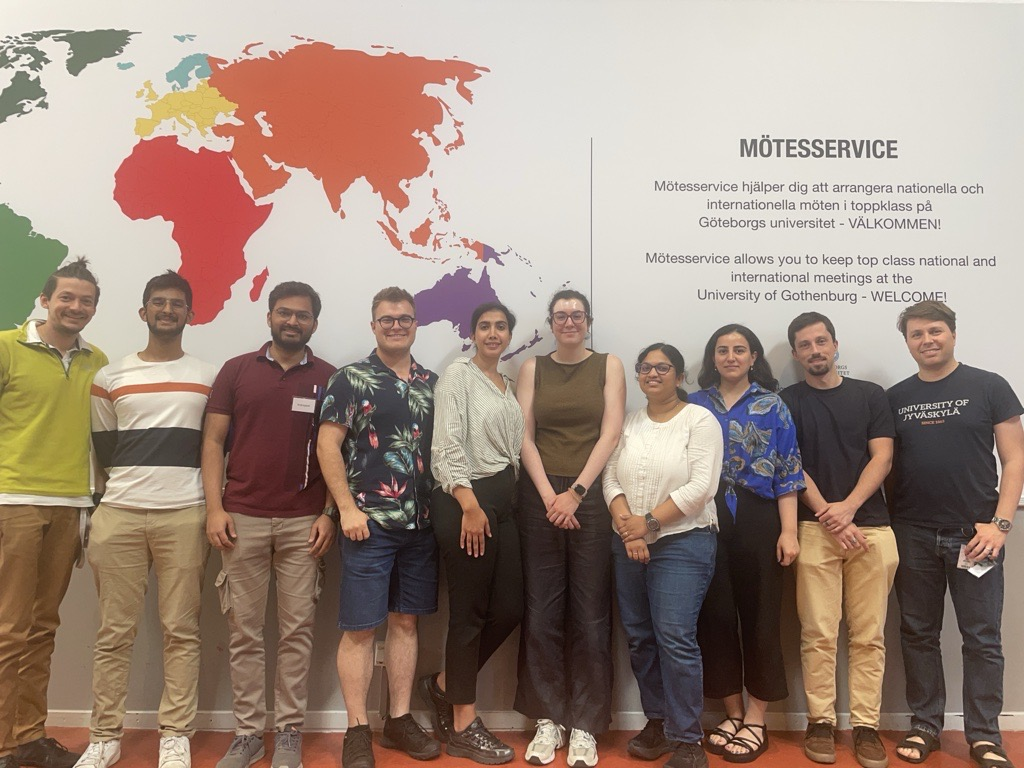
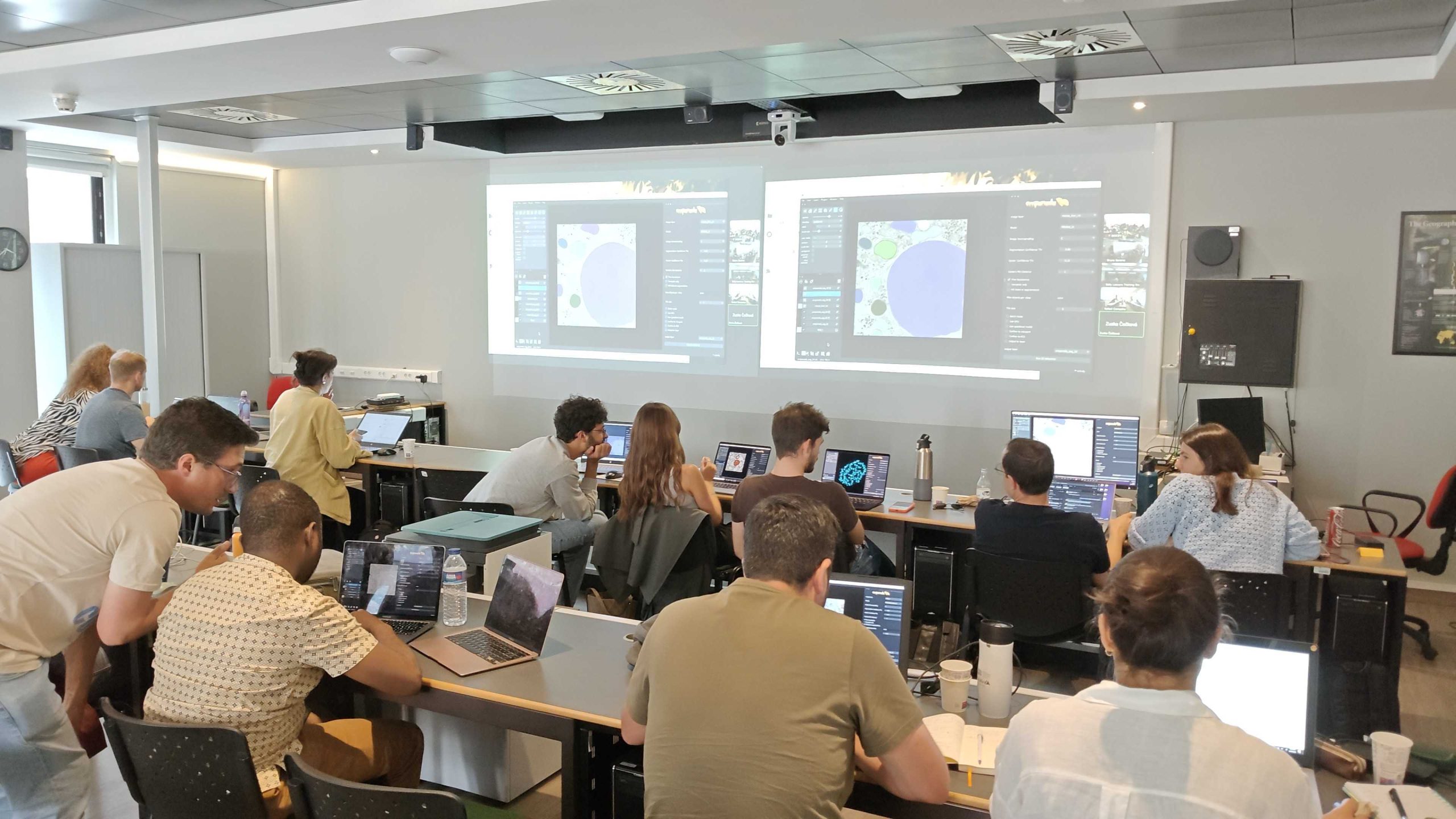
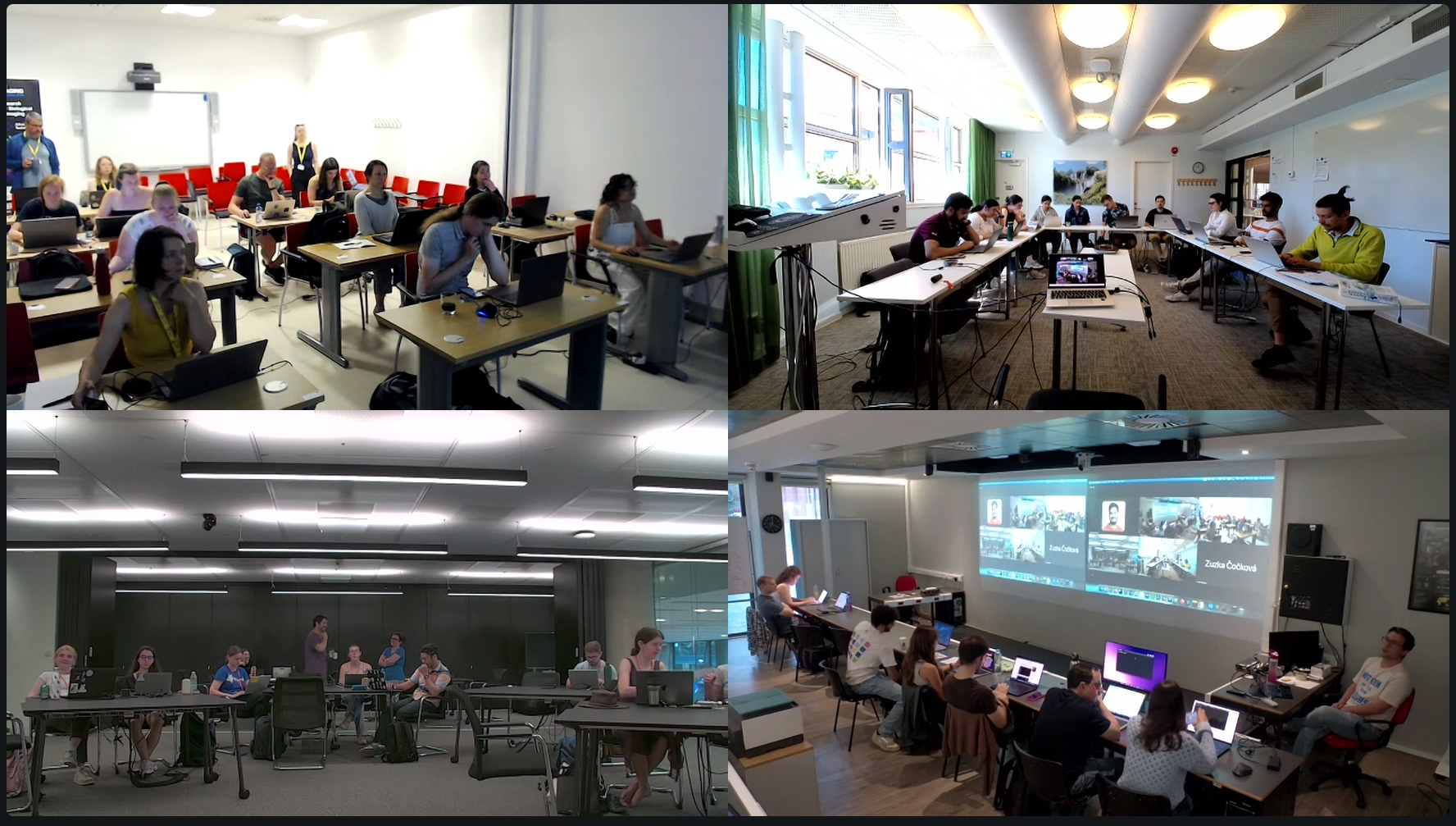
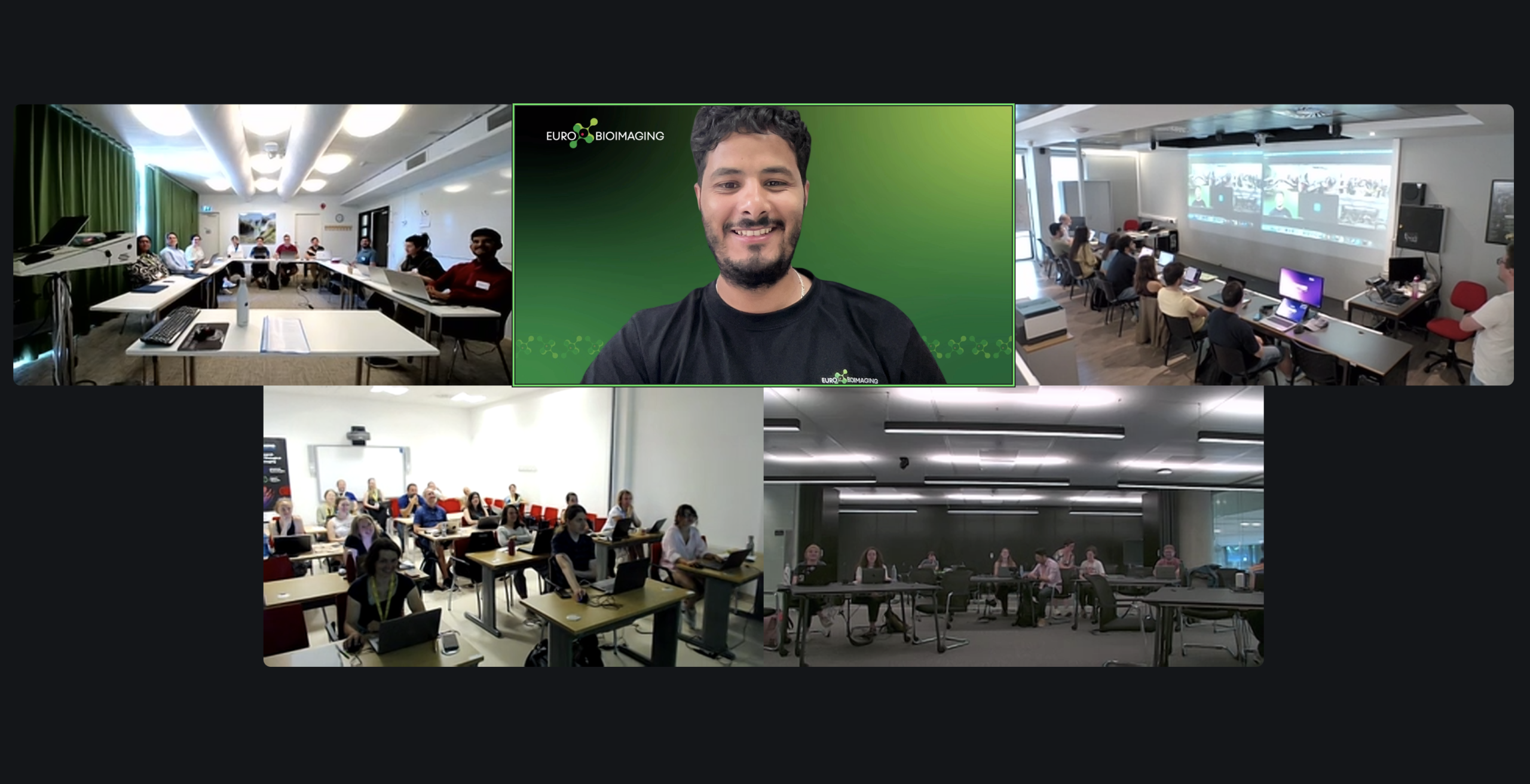
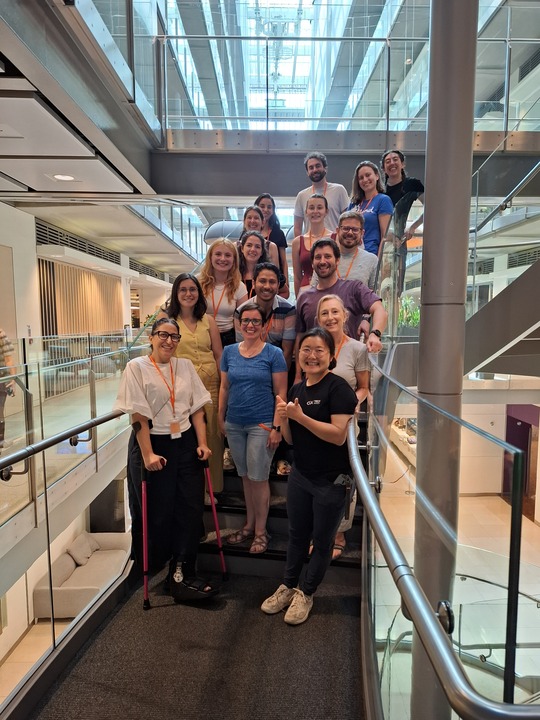
The evaluation shows a very positive overall perception of the course, with participants expressing high levels of satisfaction and enthusiasm. Almost all respondents rated the workshop highly (98% gave it 4 or 5 out of 5), and many described it as an "amazing opportunity", "very useful", "well organized", and "engaging".
Students particularly appreciated the combination of theoretical background and hands-on exercises, as well as the supportive and approachable instructors, which helped even complete beginners gain confidence. Importantly, participants overwhelmingly believed that the skills acquired would benefit their future work.
I learnt how to segment images and analyze large imaging data with Python. This will save me time in my project and increase precision while reducing human errors.
Many reported feeling confident to transition from manual image analysis to reproducible Python-based workflows, automate routine analyses, use modern deep-learning tools such as Cellpose, and develop their own analysis pipelines.
The workshop has given me a much stronger foundation in Python-based bioimage analysis and has increased my confidence in incorporating these tools into my day-to-day research. I now plan to integrate Python into my routine image analysis workflows to improve reproducibility, flexibility, and automation.
Several participants also highlighted that the workshop inspired them to continue learning and requested more advanced follow-up courses, demonstrating both the relevance of the training and its long-term impact on their professional development.
The course was organised with the support of the EVOLVE project, which enabled the coordination and delivery of the distributed training event and provided travel grants for a selection of participants. It builds on the successful distributed training model first established through Euro-BioImaging's participation in the eRImote project, which explored new approaches for remote and virtual access to research infrastructure services.
The training programme also incorporates key outcomes from the AI4Life project, introducing participants to state-of-the-art AI-powered bioimage analysis resources, including the BioImage Model Zoo and ZeroCostDL4Mic. These community-driven tools enable researchers to access and apply advanced deep learning methods for microscopy image analysis without requiring extensive computational expertise.
To ensure that all selected participants could actively take part in the practical sessions, the course also leveraged BAND, a cloud-based virtual training environment developed through Euro-BioImaging's contribution to the EOSC-Life project by Jean-Karim Hériché and Yi Sun (EMBL).
BAND served during this training course as a backup platform for a few participants who were unable to meet the local software installation or computing requirements, ensuring equal access to the hands-on exercises. BAND was provided by the EGI Training Infrastructure service supported by national resource providers in the EGI Federation. In particular, CESNET provided the computational resources and support to host BAND for this training event. Learn more about their role here.
Article written by Ayoub El ghadraoui
October 8, 2026
This September, Euro-BioImaging was part of the Data Stewardship goes Germany (DSgG) Community Meeting in Cologne. Under the theme “from going to…

October 7, 2026
On 28–29 September 2026, the growing French volume electron microscopy (vEM) community came together in Bordeaux for the first France VolumeEM Scientific Days.

October 7, 2026
Euro-BioImaging joined partners from across Europe on 29. & 30. September 2026 at the official kick-off meeting for STARDAST, a new Horizon Europe…