This spring, imaging experts and trainees from across Europe came together for the 5th edition of the Introductory QuPath Course, a hybrid training event jointly organised by multiple Euro-BioImaging Nodes. The course highlighted how collaborative and distributed training formats can strengthen imaging communities, expand access to expertise, and support more sustainable approaches to scientific training.
Bringing imaging communities together across Europe
The course was co-organised by three Euro-BioImaging Nodes - the Portuguese Platform of BioImaging (PPBI) involving sites in Porto, Coimbra and Lisbon; the Advanced NL-BioImaging Node involving sites at Leiden University Medical Center (LUMC) and the Netherlands Cancer Institute (NKI), and Barcelona Mesoscopic Imaging Node at IRB Barcelona. The course was supported by Euro-BioImaging through the EVOLVE project (GA# 101130986).
“Research infrastructures are not only built through technology — they are built through people, knowhow and collaboration. What made this course particularly valuable was the opportunity to connect expertise from multiple Euro-BioImaging Nodes into a shared training environment. Each participating site brought different scientific perspectives and practical experience with QuPath, creating a richer learning experience both for participants and trainers.”
Originally developed as a local training initiative in Portugal, the QuPath course has steadily expanded over the past years into a distributed international activity. Following exchanges during Euro-BioImaging EVOLVE Train-the-Trainer course last year, the 2026 edition evolved into a truly cross-Node collaboration, connecting participants and trainers across multiple European sites through a shared hybrid format.
Hands-on training across multiple sites
The three-day course introduced participants to QuPath, the widely used open-source software for digital pathology and bioimage analysis. The programme combined theoretical lectures, practical demonstrations, and hands-on sessions covering workflows from basic image analysis to scripting and automation.
Overall, the event brought together 90 participants from diverse backgrounds, including students, researchers, clinicians, pathologists, and bioinformatics specialists. Six speakers and 19 trained support staff contributed to the course delivery across the participating sites.
The organisers also held dedicated Train-the-Trainer sessions in advance of the course to align teaching approaches and ensure strong local support for participants at each site.
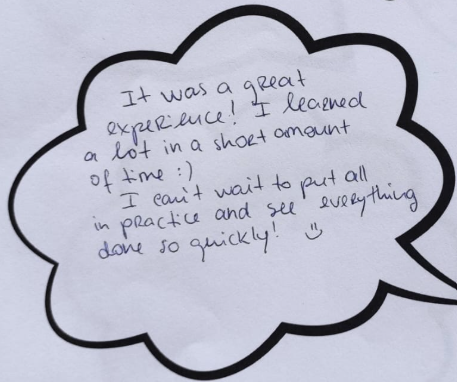
Participant feedback highlighted the practical value and accessibility of the training:
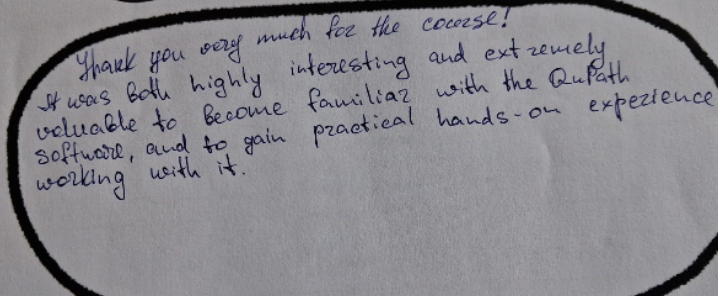
“Thank you very much for this course! It was both highly interesting and extremely valuable to become familiar with the QuPath software and to gain practical hands-on experience working with it.”
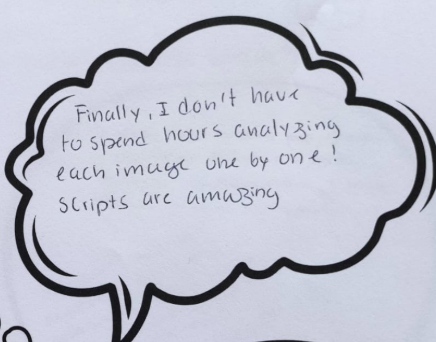
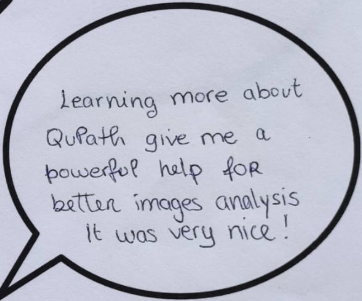
Feedback from the distributed QuPath course
Advancing hybrid and remote training through EVOLVE
Beyond the scientific content itself, the course also served as a practical test case for advanced hybrid training concepts within Euro-BioImaging. Under EVOLVE Work Package 8, Euro-BioImaging and its Nodes are working to strengthen remote and hybrid access and training models that can increase sustainability, reduce travel barriers, and improve equitable access to imaging expertise across Europe.
The QuPath course demonstrated how expertise distributed across different Nodes can be brought together into a shared learning environment while maintaining strong local interaction and hands-on support.
Reflecting on the experience, Patrícia Rodrigues, the main organiser, highlighted the broader importance of cross-Node collaboration for the Euro-BioImaging community:
“Research infrastructures are not only built through technology — they are built through people, knowhow and collaboration. What made this course particularly valuable was the opportunity to connect expertise from multiple Euro-BioImaging Nodes into a shared training environment. Each participating site brought different scientific perspectives and practical experience with QuPath, creating a richer learning experience both for participants and trainers.”
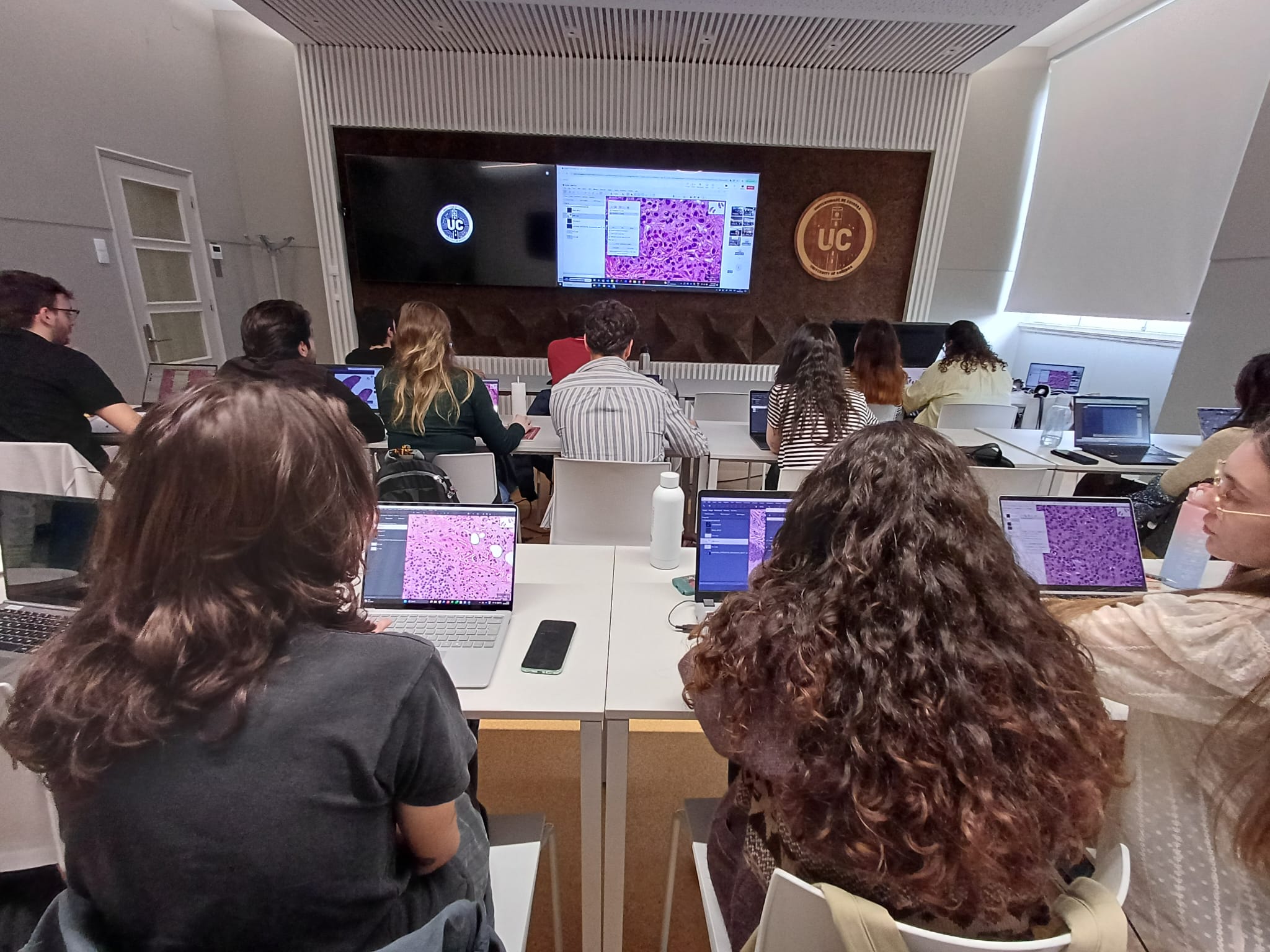
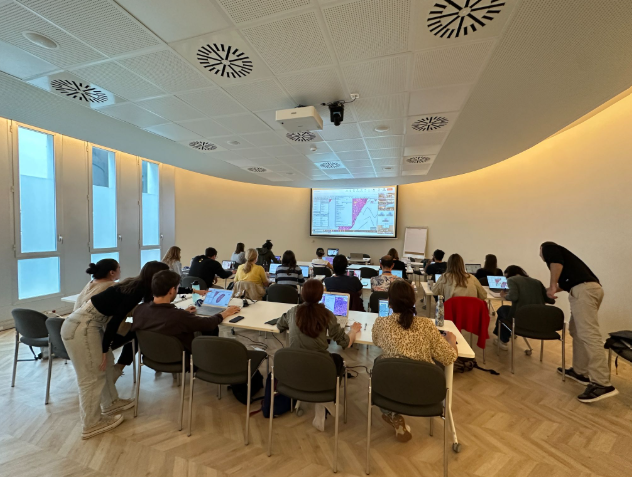
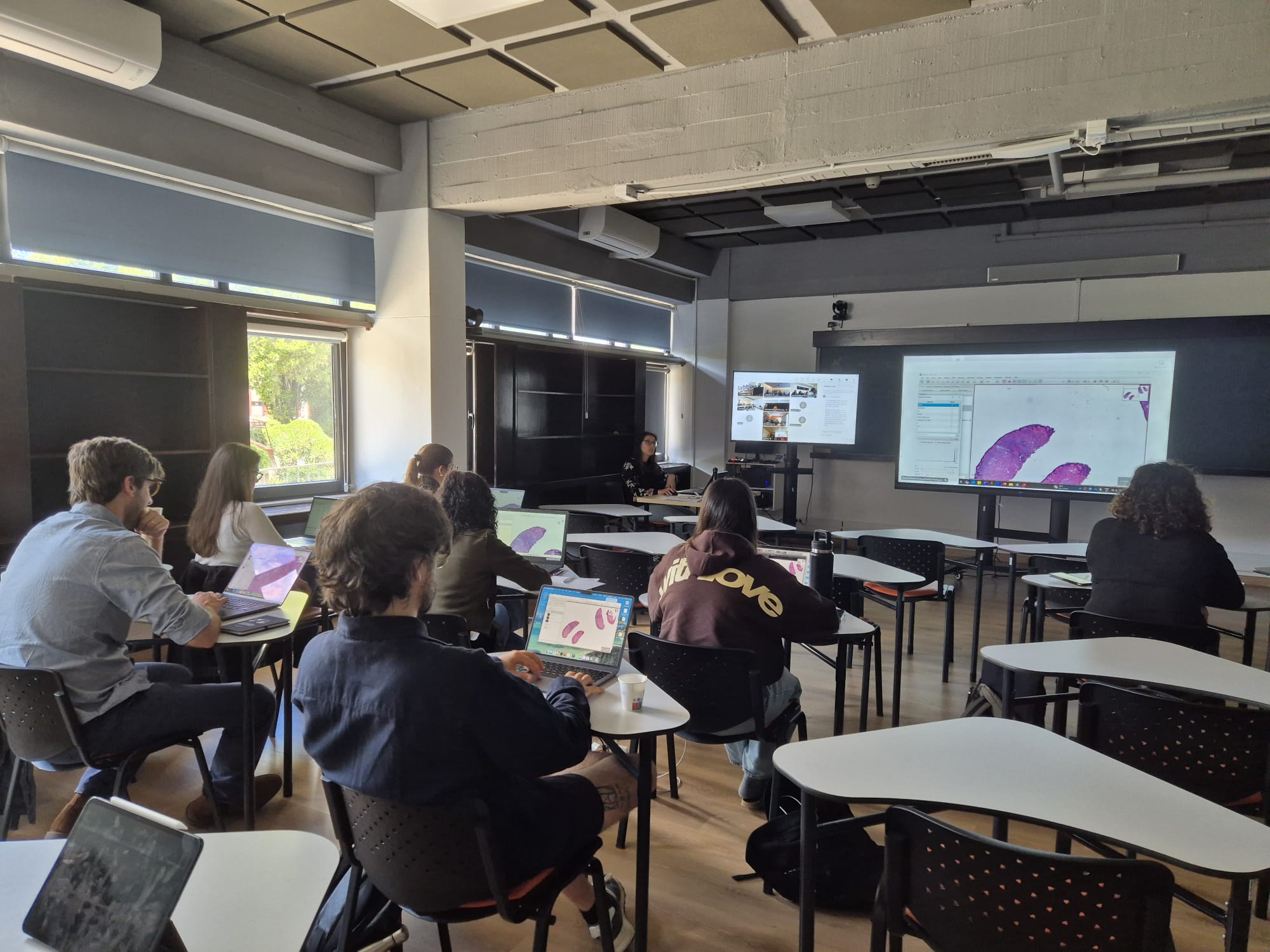
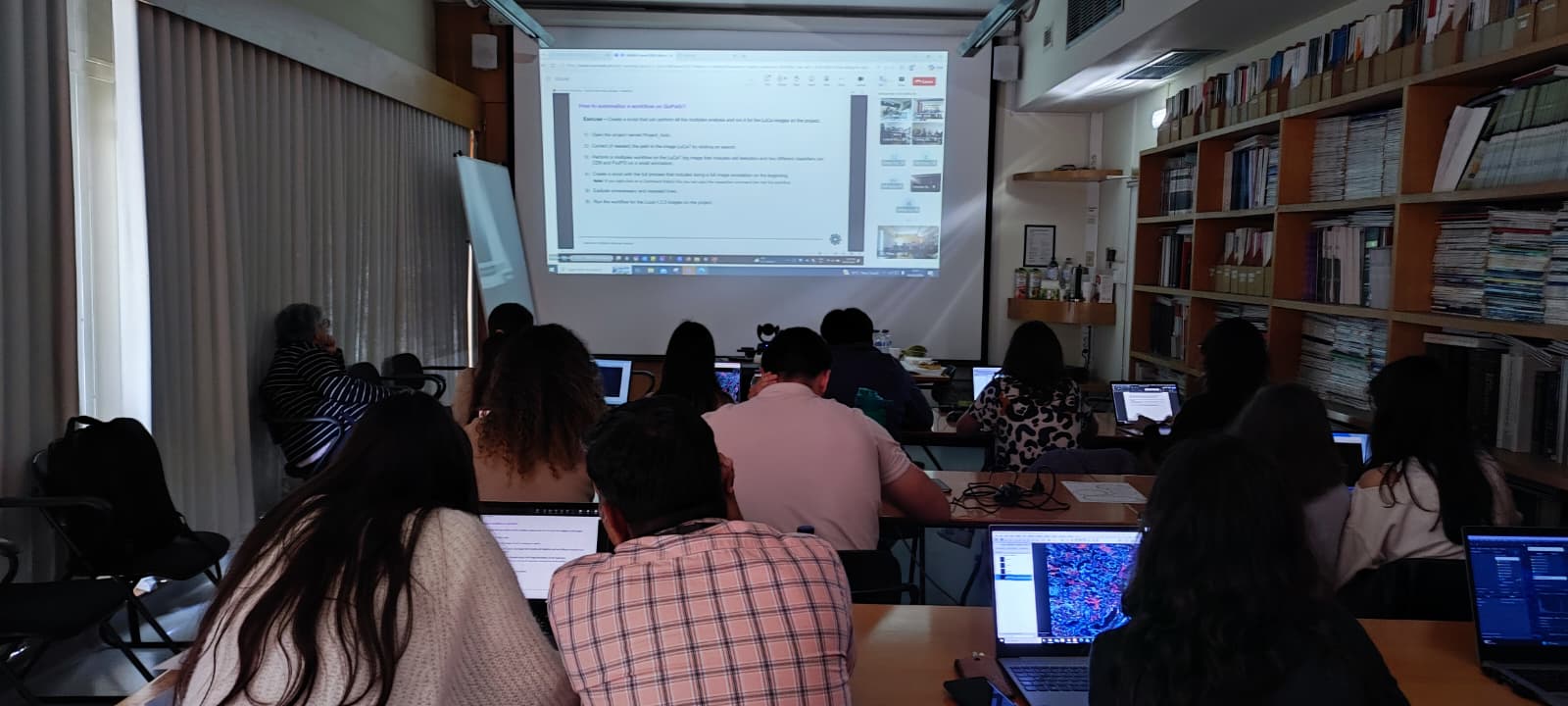
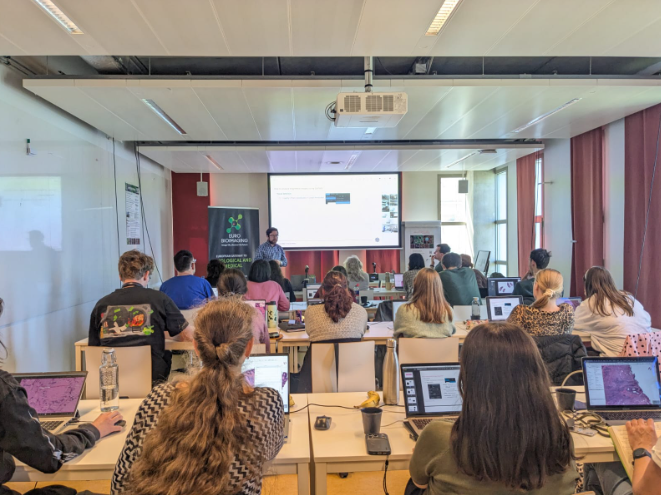
QuPath course at different sites
Positive feedback and future perspectives
Feedback collected after the course showed strong satisfaction across participants, with more than 90% reporting that the course met their expectations and nearly 90% indicating that they would recommend it to colleagues.
The organisers are already considering future editions, including more advanced modules focused on automation and expanded collaboration between Euro-BioImaging Nodes. The experience gained through this course will also help inform future development of hybrid and remote training formats across the infrastructure.
More news from Euro-BioImaging
October 27, 2026
Meet Nina: Connecting Biology, Physics and People through Bioimaging
As part of our series highlighting the scientists behind the Euro-BioImaging Nodes, our Scientific Ambassador, Prasanna Padmanaban met with Dr. Nina Glöckner Burmeister,…
The EOSC Symposium 2026 took place from October 14-16, in Florence, Italy. More than 500 participants from 35 countries gathered there, including Euro-BioImaging’s…