April 8, 2026
We are hiring an Operations Support Assistant
Euro-BioImaging is looking for an Operations Support Assistant at the Euro-BioImaging Statutory Seat in Turku, Finland, to support the day-to-day financial and administrative operations…



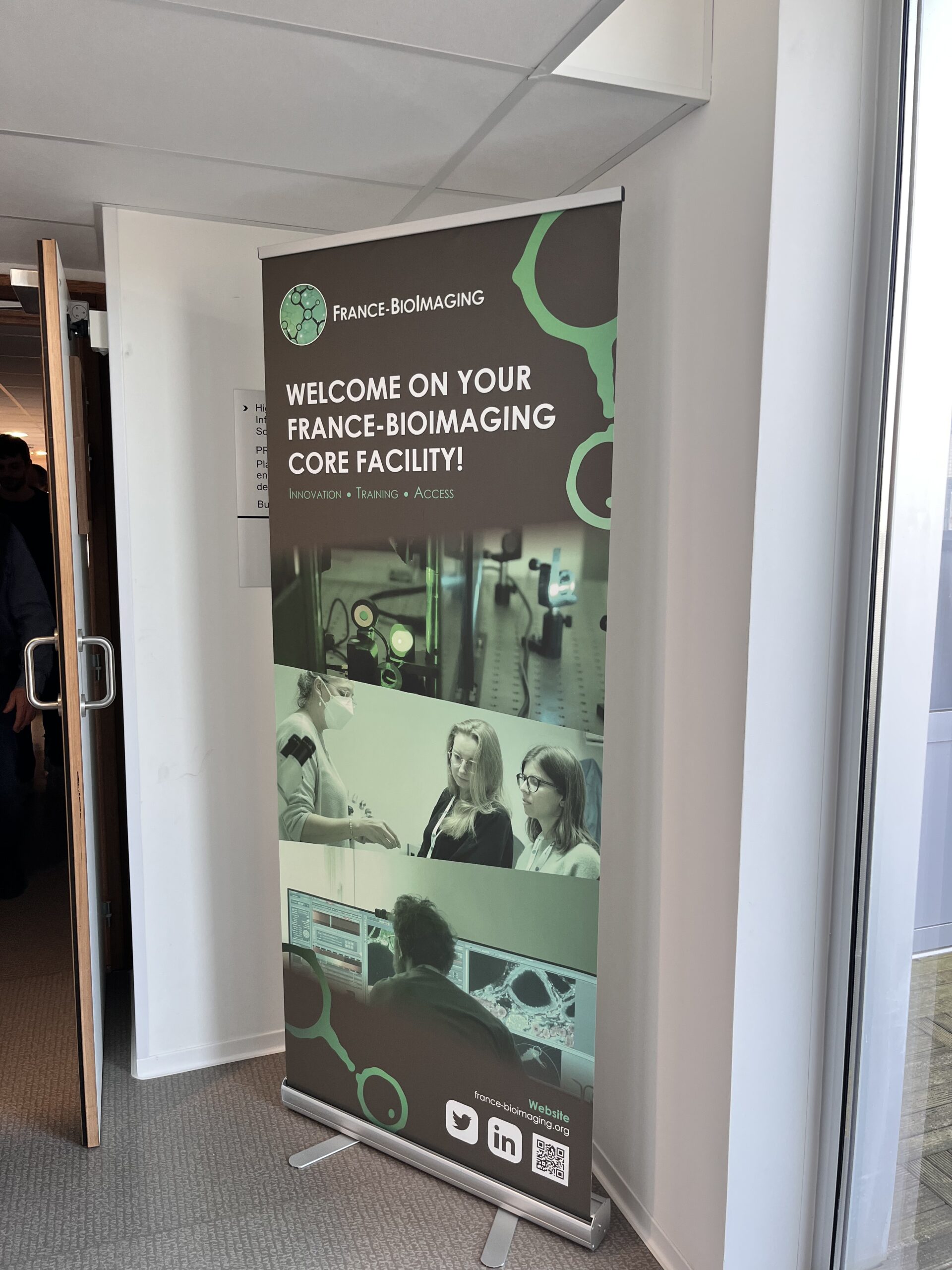
The 2026 Annual Meeting of France BioImaging, held on 12–13 March at the University of Rouen Normandie, brought together Node leaders, facility staff, industry partners, and students under the theme “Multimodalities for organ and organism imaging.”
The programme combined operational updates, insights into training and industry partnerships, and a rich scientific agenda that illustrated the breadth and impact of the French national bioimaging community.

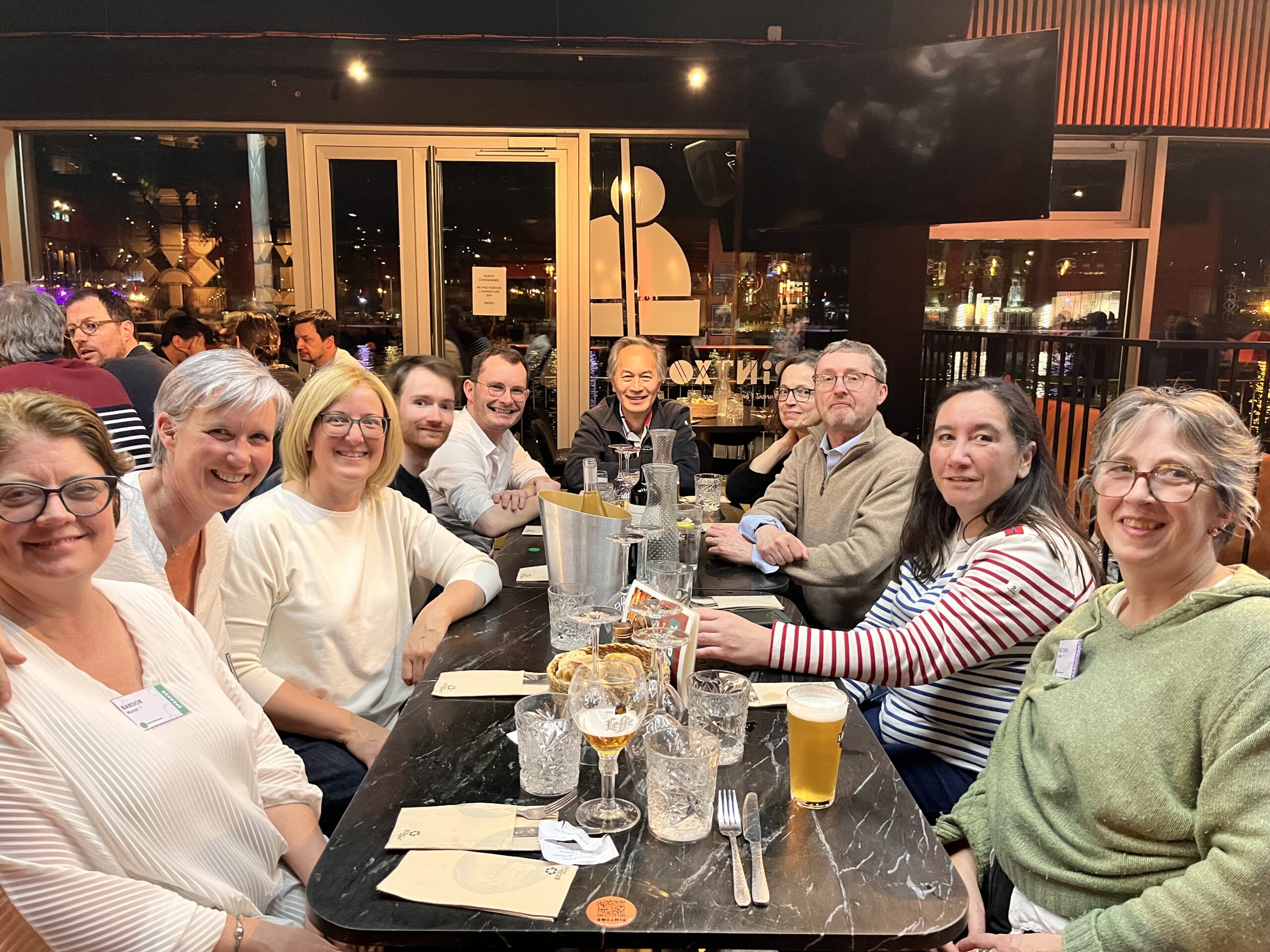

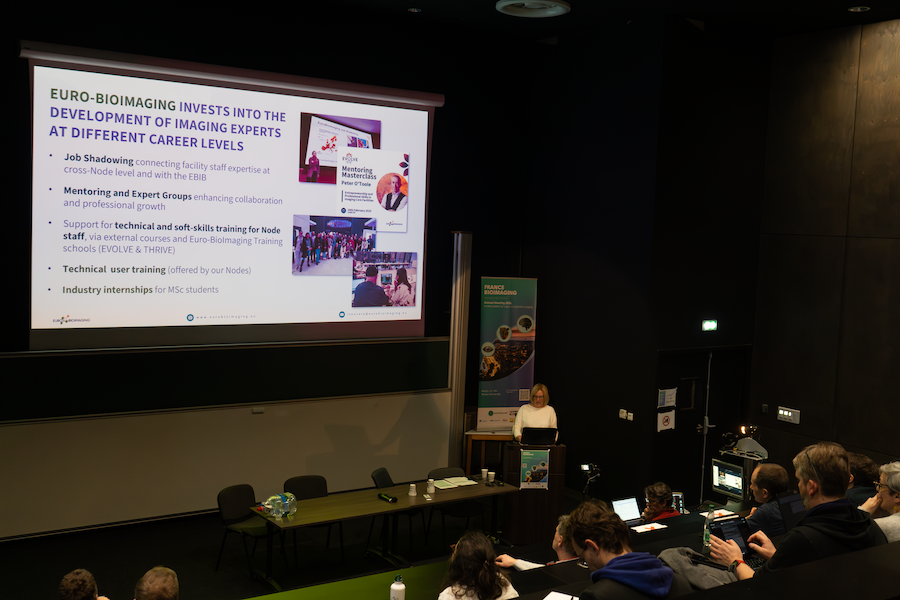
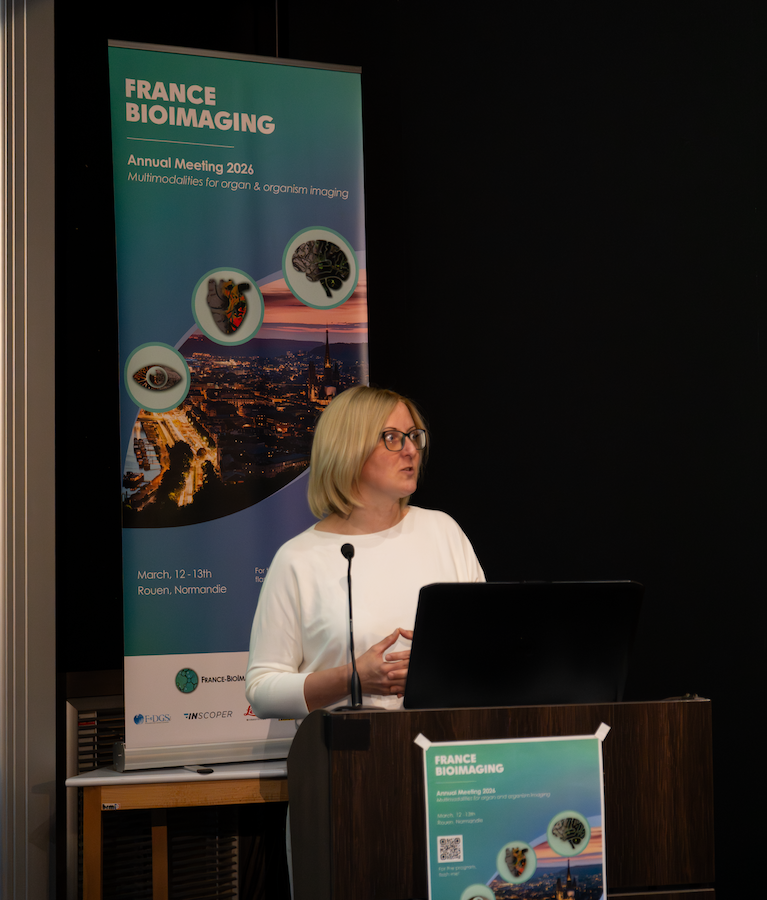

A key takeaway from the meeting was the strength of organizational leadership within France BioImaging. Updates presented during the opening sessions highlighted specific programmes aimed at boosting technology transfer and valorisation, enabling user access and supporting the continued growth of the infrastructure. Dedicated sessions on industry collaboration showcased concrete partnerships—such as joint projects between academic facilities and biotech companies—demonstrating how France BioImaging is positioning itself as both a scientific and innovation driver.
The meeting also underlined France BioImaging’s strong collaboration with Euro-BioImaging and other international initiatives. The community is heavily engaged in our user access fund projects such as canSERV, AgroSERV or i4A, as well as technology development projects for agriculture, marine biology or new imaging methodology. In addition, France BioImaging makes use of the professional development programme for Node staff in EVOLVE, while also contributing as experts training others.
Education and capacity building were covered as well, including presentations on Master’s programmes, FAIR training materials, and career development pathways with industry, highlighting the network’s commitment to developing the next generation of imaging specialists. Rouen’s Master’s Programme in Cell Imaging recently celebrated its 20th anniversary.
A central highlight was the scientific programme, which reflected cutting-edge imaging research across a wide range of biological systems. Sessions covered plant biology, invertebrates, brain imaging, and multiple organ systems including muscle, heart, lung, liver, and intestine. Talks showcased advanced multimodal and multi-scale approaches from electron microscopy and light-sheet imaging to in vivo and correlative techniques, demonstrating the high quality of research and technological expertise within the community. Keynote lectures further emphasised both recent advances and ongoing challenges in imaging complex biological systems.
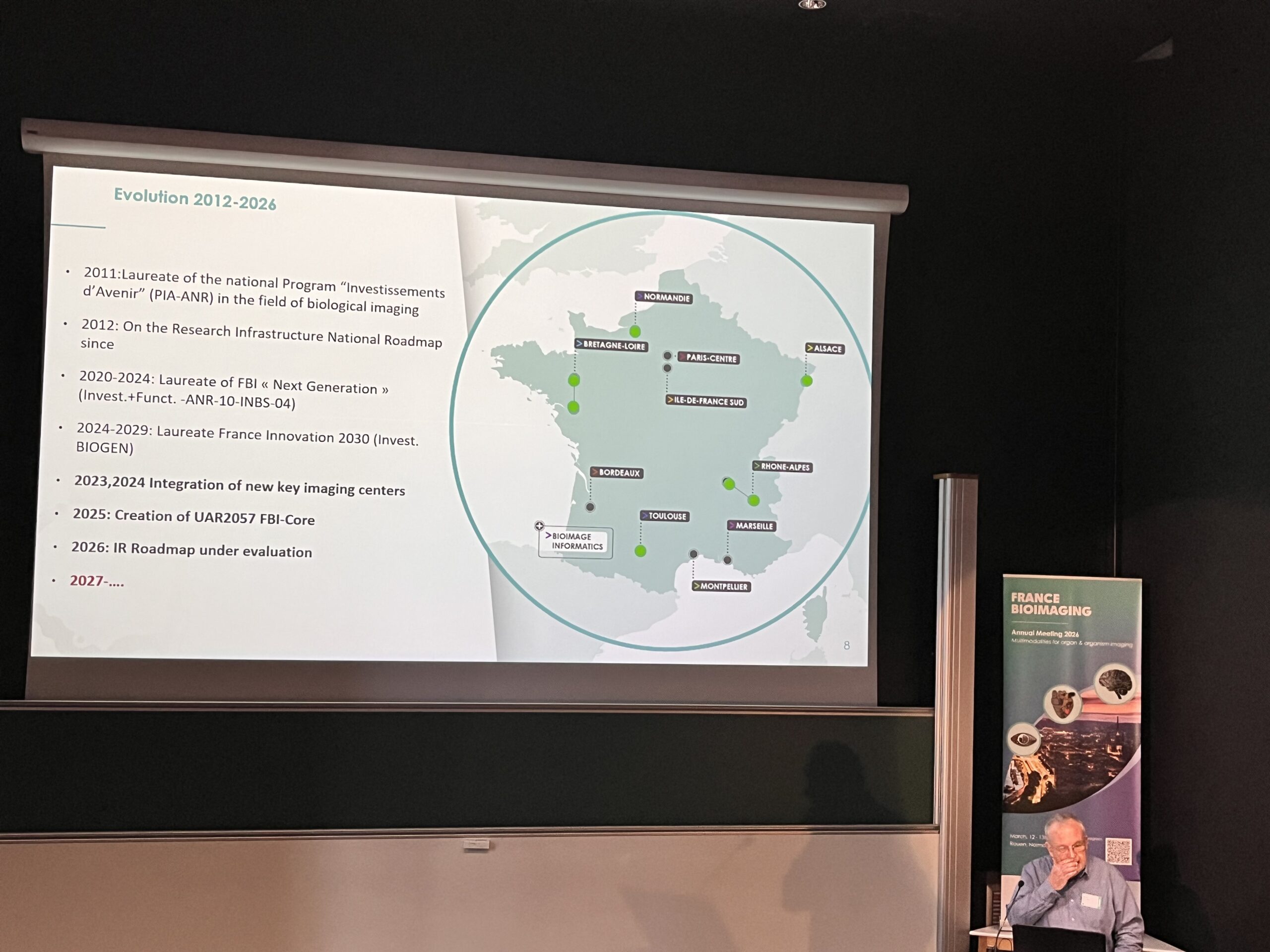
Beyond the scientific content, the meeting provided an excellent opportunity to engage with the national community from Node leadership and facility staff to students and identify future opportunities for knowledge exchange and collaboration. The integration of the Normandie Node in 2025, including the PRIMACEN facility, broad new expertise in areas such as vascular sciences, microalgal biosciences and cell-cell communication, further strengthening the Node.
Therefore it was great to experience the warm hospitality of the local Rouen team and French bioimaging community and gain insights into the facilities’ service offer and the great research this enables.
April 8, 2026
Euro-BioImaging is looking for an Operations Support Assistant at the Euro-BioImaging Statutory Seat in Turku, Finland, to support the day-to-day financial and administrative operations…

April 8, 2026
The 8th edition of the From 3D Light to 3D Electron Microscopy symposium, hosted at the Francis Crick Institute in London, brought together…

April 7, 2026
The canSERV Annual Meeting, held in Brussels from 25–27 March 2026, brought together researchers, service providers, Research Infrastructures, policymakers, and patient representatives to reflect…