With a new STED microscope due to arrive at the Basque Resource for Advanced Light Microscopy (BRALM) in Bilbao before the end of the year, microscopy specialist Carlos Marcuello wanted to learn from experienced practitioners. Encouraged by his supervisor, Artur Escalada, he joined the Euro-BioImaging job shadowing programme for an intensive week at the EMBL Imaging Centre, exploring STED and fast FLIM workflows from sample preparation to image analysis.
Carlos brings a background in Atomic Force Microscopy (AFM) to a role supporting a wide range of users, samples and imaging techniques.
“As a PhD and postdoc researcher, I specialised in Atomic Force Microscopy and worked on lipid membrane remodelling. Since I started working at BRALM, I have come into contact with many users and many different sample types. I support them with a range of microscopes: spinning disk, multiphoton Leica SP5, and soon STED and FLIM. It’s really exciting to learn these new techniques, and it’s great that our technology portfolio is expanding.”
His visit focused on the practical workflows needed to offer STED as an open-access service. The timing was ideal: BRALM is preparing to install a new Abberior STED microscope, with plans to welcome users in early 2027.
“STED is complex,” observes Carlos. “Sample preparation is more complex than data acquisition. That is why it’s extremely useful to observe the experts.”
Working alongside the EMBL Imaging Centre team gave Carlos the opportunity to follow each stage of an experiment and understand how the steps fit together.
“Each day has been divided into different tasks. I’ve worked on all the different steps in the STED and fast FLIM workflows, from sample preparation to image analysis,” he explains.
The visit also provided practical tips for fluorescence lifetime imaging microscopy (FLIM). BRALM already has a FLIM instrument, although it is not yet available through open access. Carlos hopes to draw on his experience at EMBL to help establish this service alongside STED.
“We look forward to setting up these two new systems—Abberior STED and FLIM from PicoQuant. We will develop correlative workflows to use the two techniques together and I see potential to hopefully combine them with AFM as well.”
At BRALM, internal users are trained to operate microscopy systems independently. Carlos’s role is to guide beginners and help experienced users troubleshoot when challenges arise. The skills and confidence gained during his visit will therefore help researchers across disciplines get the best results from the facility’s expanding technology portfolio.
Alongside the technical learning, Carlos valued the opportunity to spend a week in EMBL’s international research environment.
“Aside from the skills I gained, it has been nice to be immersed in an international environment at EMBL. This experience has not only been fruitful for me; what I have learned will also benefit users across different disciplines at my home institution,” he concludes.
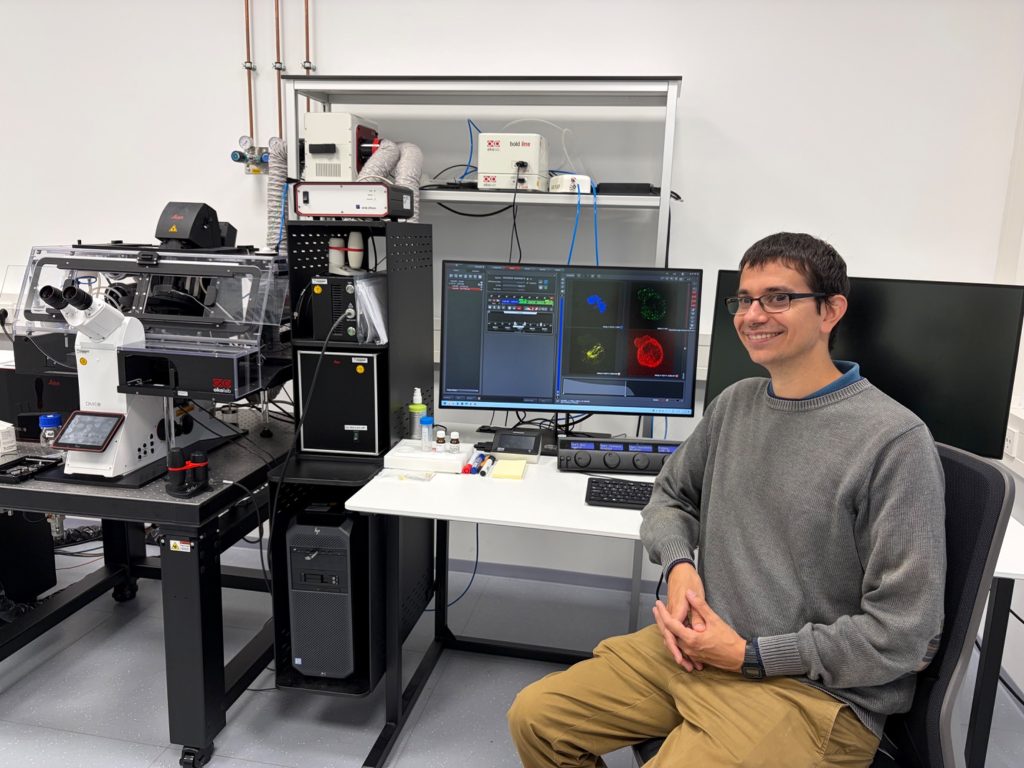
Microscopy specialist, Carlos Marcuello, at the EMBL Imaging Centre as part of the EVOLVE job shadowing programme.
More news from Euro-BioImaging
November 2, 2026
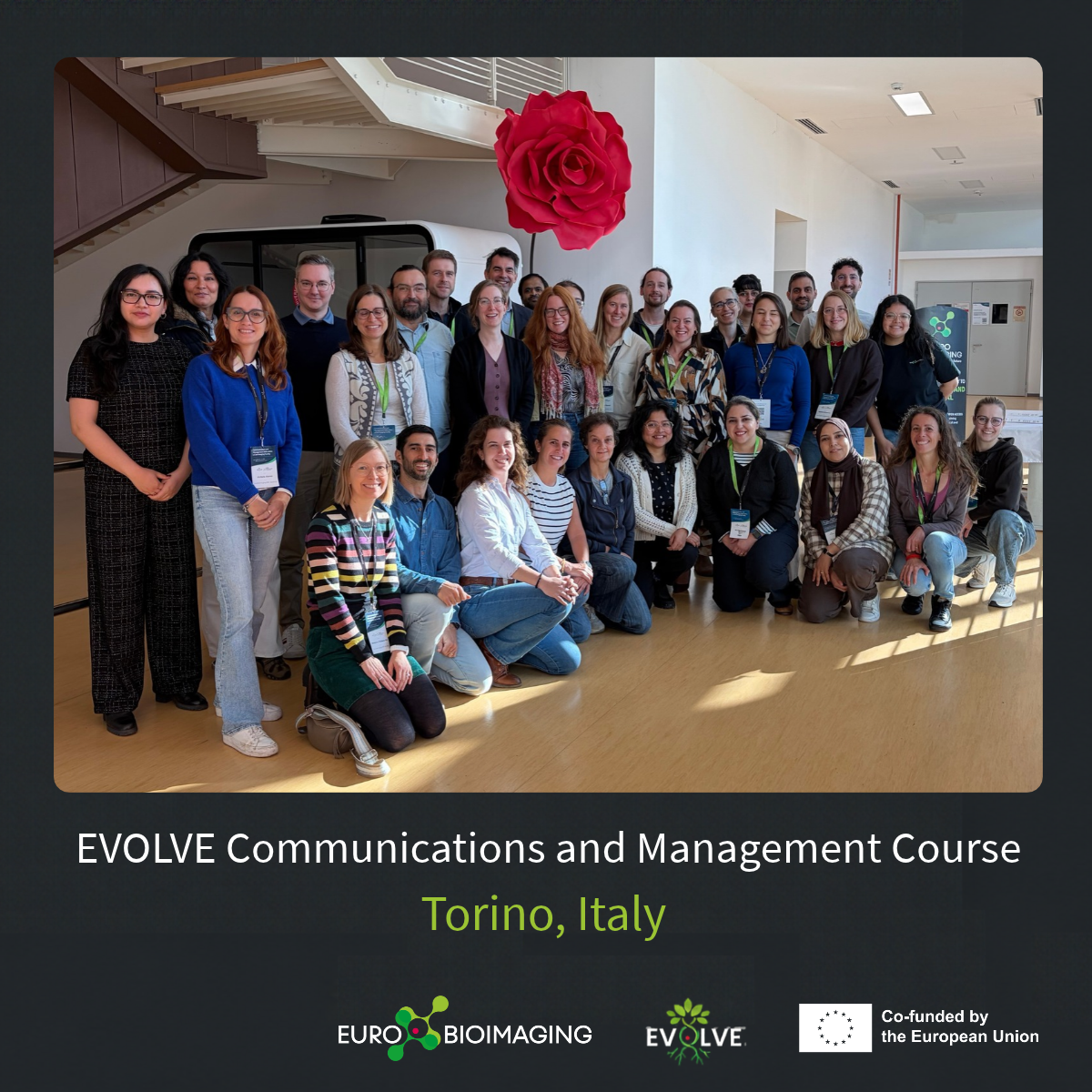
EVOLVE Course: Communications and Management Skills for Imaging Core Facilities
20–22 October 2026 | Turin, Italy | Hybrid course The Communications and Management Skills for Imaging Core Facilities course brought together 50 participants…
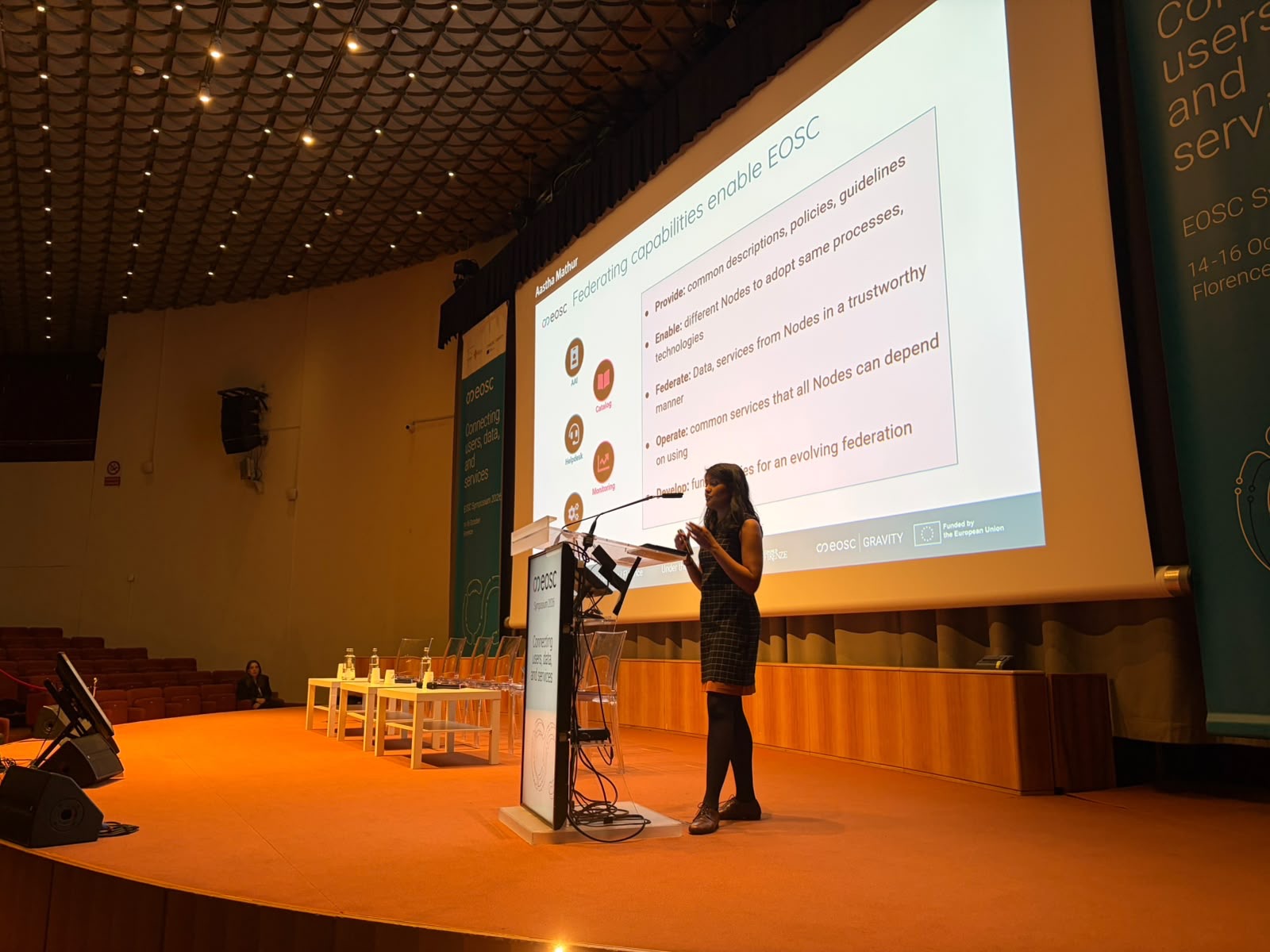
The EOSC Symposium 2026 took place from October 14-16, in Florence, Italy. More than 500 participants from 35 countries gathered there, including Euro-BioImaging’s…