Euro-BioImaging, together with its nodes and ANERIS project partners, brought together marine scientists, imaging experts and biodiversity researchers on 16 November 2026 in Oostende, Belgium, for a workshop exploring innovative tools, technologies and approaches developed within the ANERIS project for marine life monitoring.
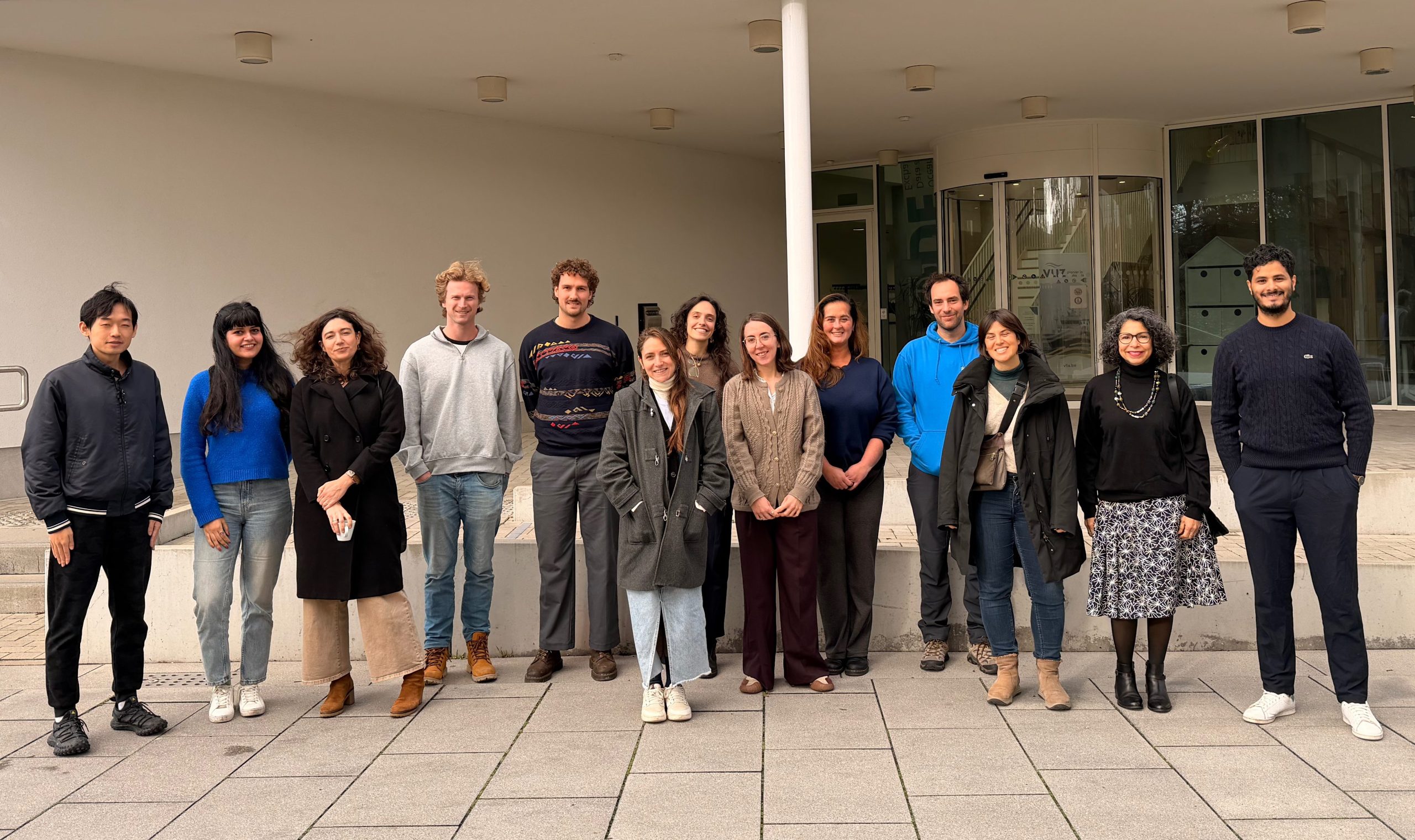
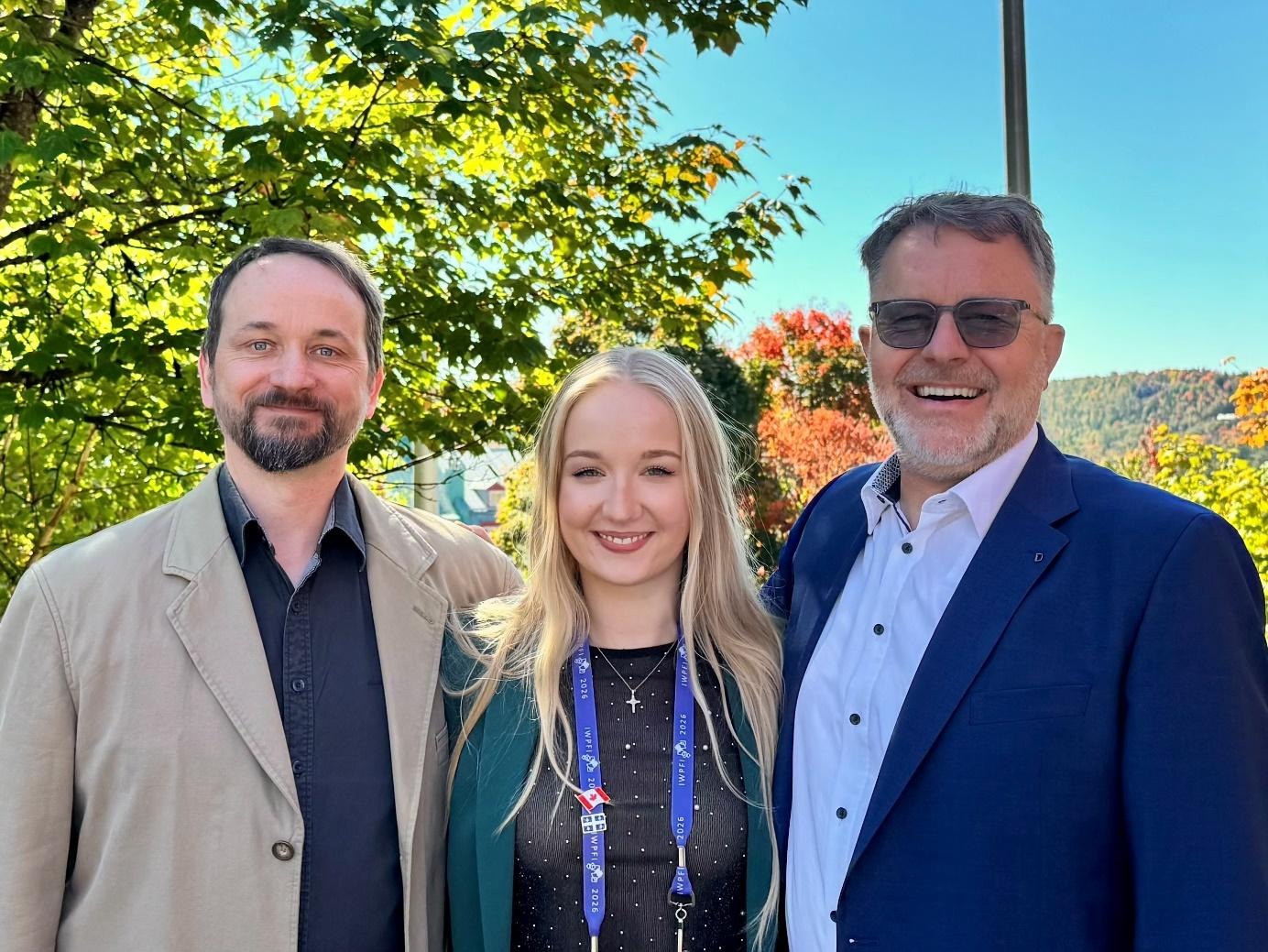
Group photo of ANERIS workshop participants in front of the VLIZ building, Oostende-Belgium.
Organised back-to-back with the 7th edition of the World Conference on Marine Biodiversity, the hybrid workshop welcomed participants both in person and online. The event showcased how advanced imaging technologies, artificial intelligence, genomics and citizen science can contribute to more efficient and sustainable approaches to observing and understanding marine ecosystems.
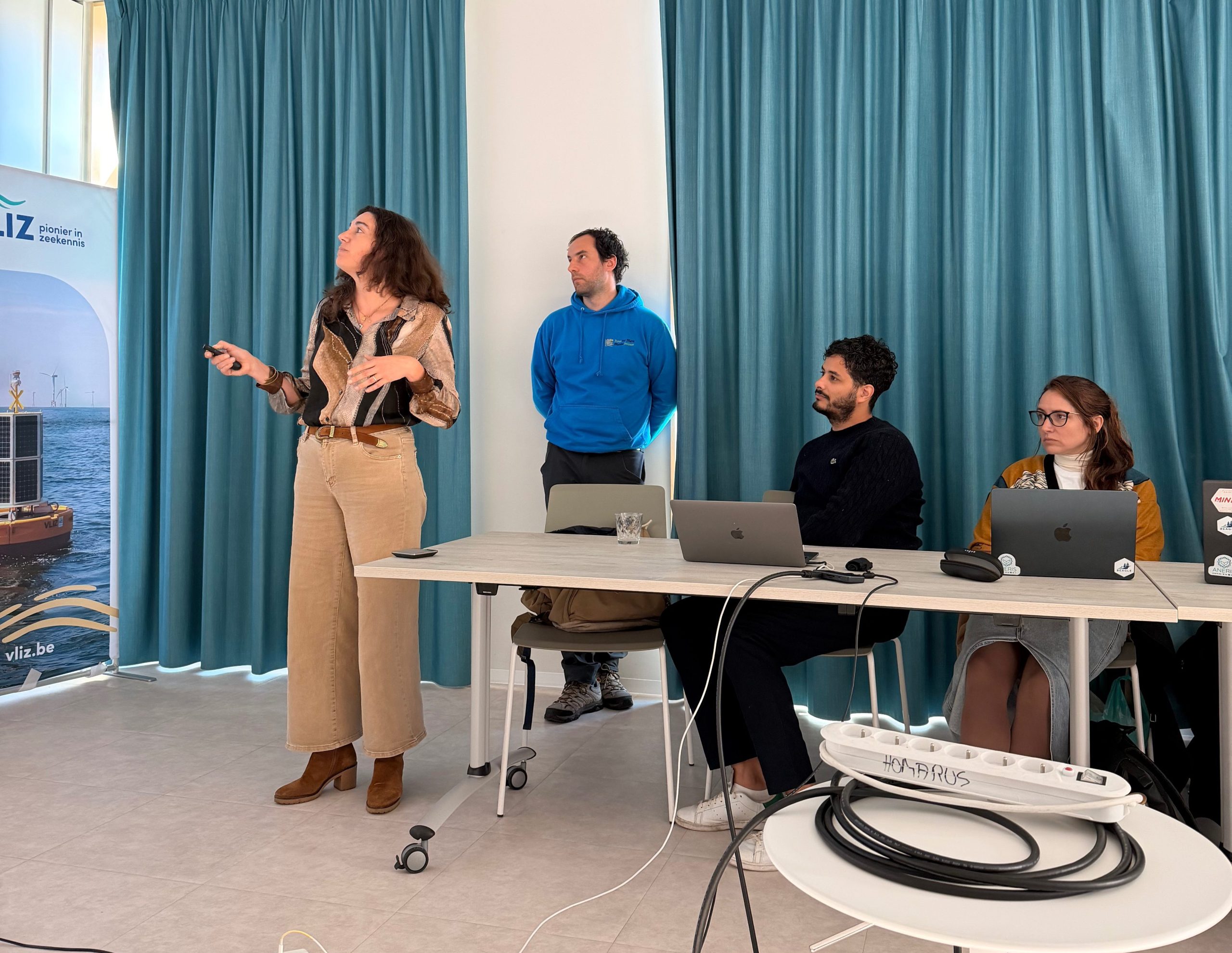
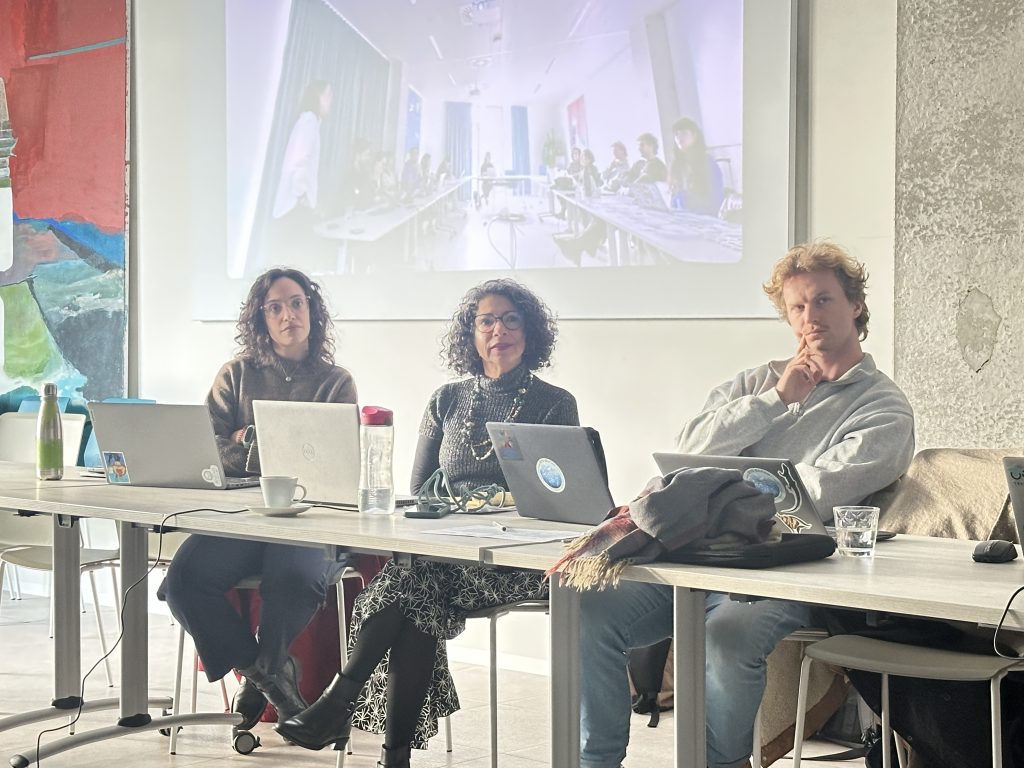
The morning session focused on innovative imaging approaches for monitoring marine biodiversity. Luz Amadei Martinez from the Flanders Marine Institute (VLIZ) presented work on high-frequency plankton imaging, demonstrating how imaging technologies can support the observation of plankton communities and help researchers capture changes in marine ecosystems over time. Marco Francescangeli from the Marine Institute in Ireland and Perrine Paul Gilloteaux from France-BioImaging then introduced approaches to automated macrofauna biodiversity monitoring, highlighting the potential of imaging and automated analysis to improve the identification and monitoring of marine organisms.
Luz Amadei Martinez - Flanders Marine Institute (VLIZ).
Perrine Paul Gilloteaux (France BioImaging) and Marco Francescangeli (the Marine Institute in Ireland).
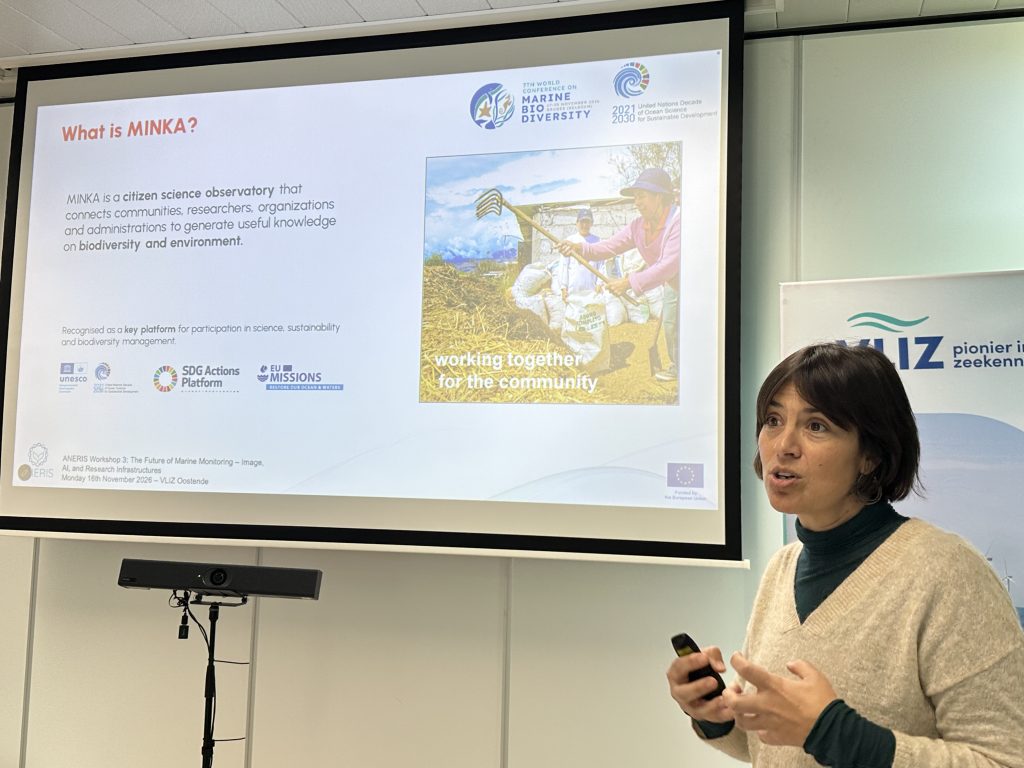
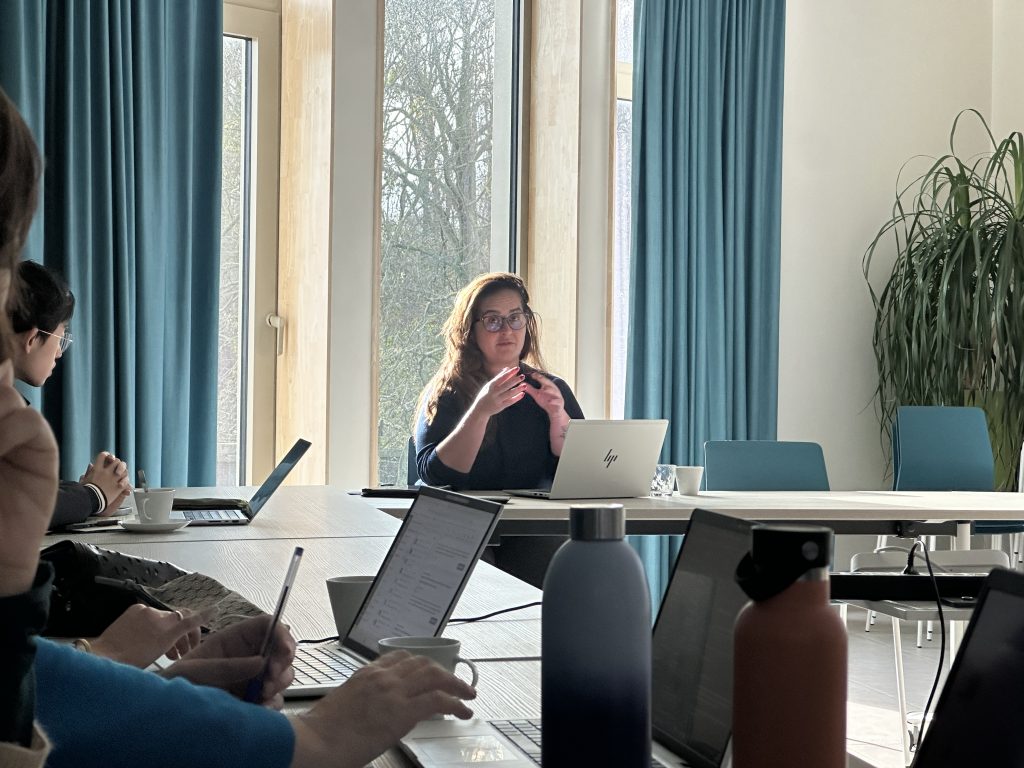
The afternoon session broadened the discussion to large-scale participatory approaches and the integration of complementary technologies. Berta Companys from the Spanish National Research Council (CSIC) presented large-scale marine participatory initiatives, including the BioMarathon and the MINKA participatory observatory. These initiatives illustrate how citizen science can engage wider communities in collecting biodiversity observations and contribute valuable data to marine monitoring efforts.
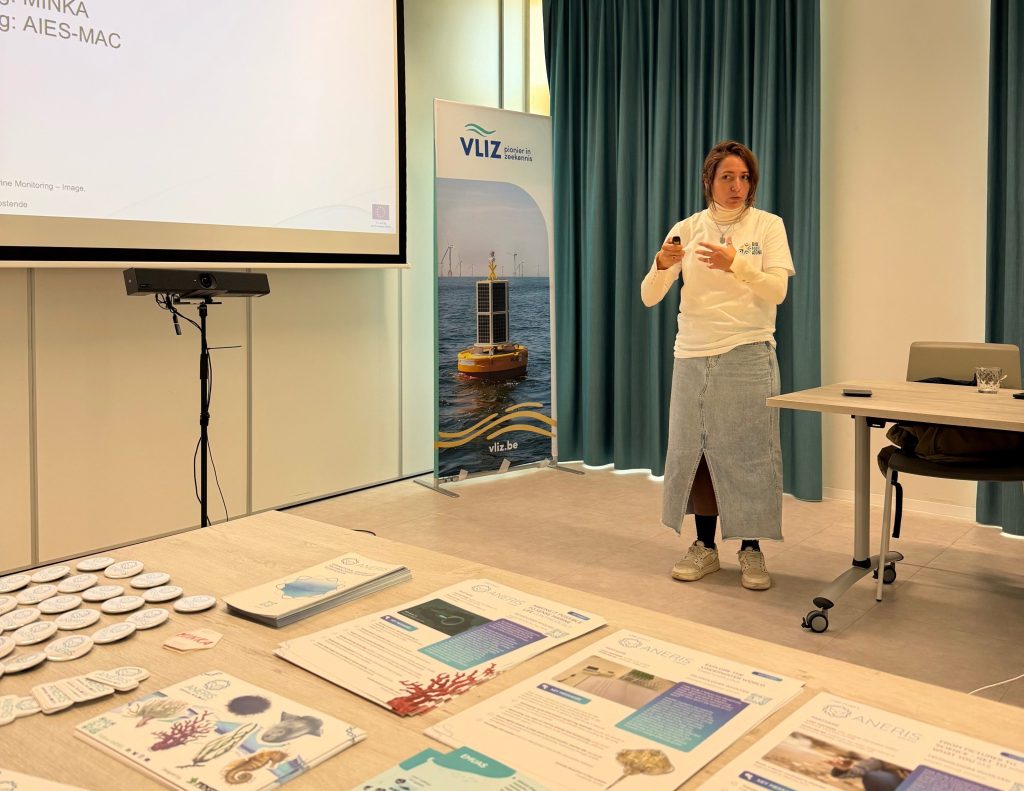
Rocío Nieto Vilela from BIOPOLIS-CIBIO and Perrine Paul Gilloteaux subsequently presented approaches to merging imaging and genomic information for biodiversity monitoring across different coastal environments. Their presentation highlighted the value of combining complementary data and analytical methods to obtain a more comprehensive understanding of marine biodiversity.
Rocío Nieto Vilela from BIOPOLIS-CIBIO.
Berta Companys from the Spanish National Research Council (CSIC).
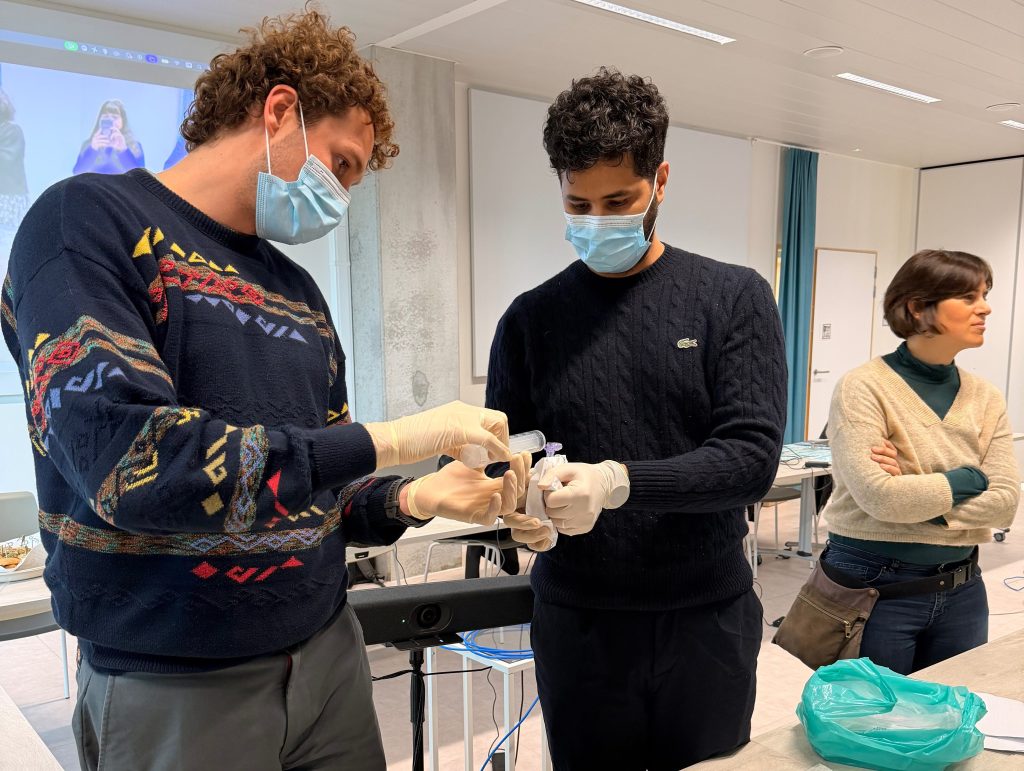
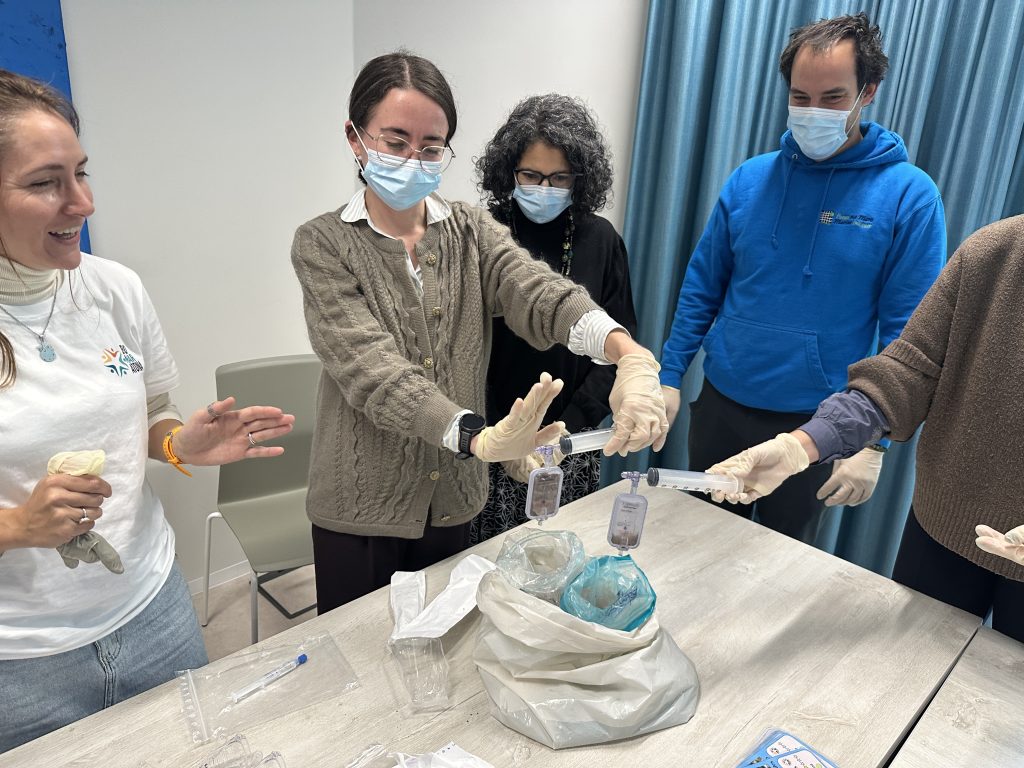
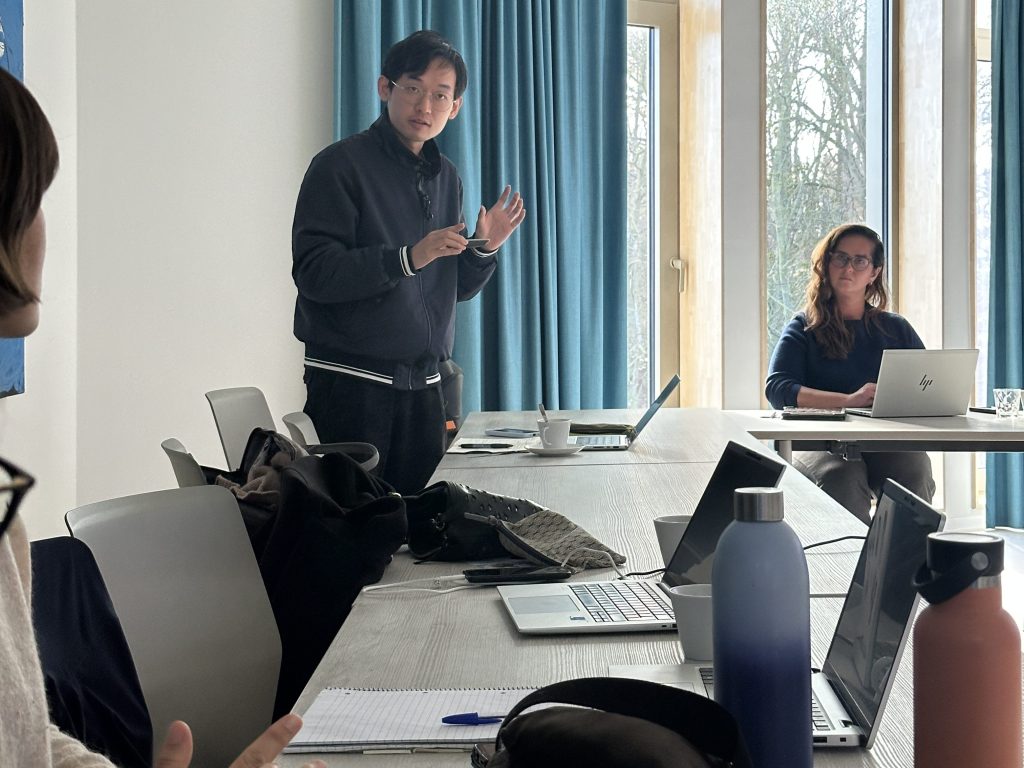
The workshop also included a practical demonstration led by Rocío Nieto Vilela, who introduced participants to the extraction of DNA from water samples for subsequent analysis. Participants had the opportunity to take part in a hands-on experiment, providing a practical insight into how environmental DNA approaches can complement imaging-based observations and support biodiversity assessment.
Workshop participants during the DNA hands-on session.
Workshop participants during the DNA hands-on session.
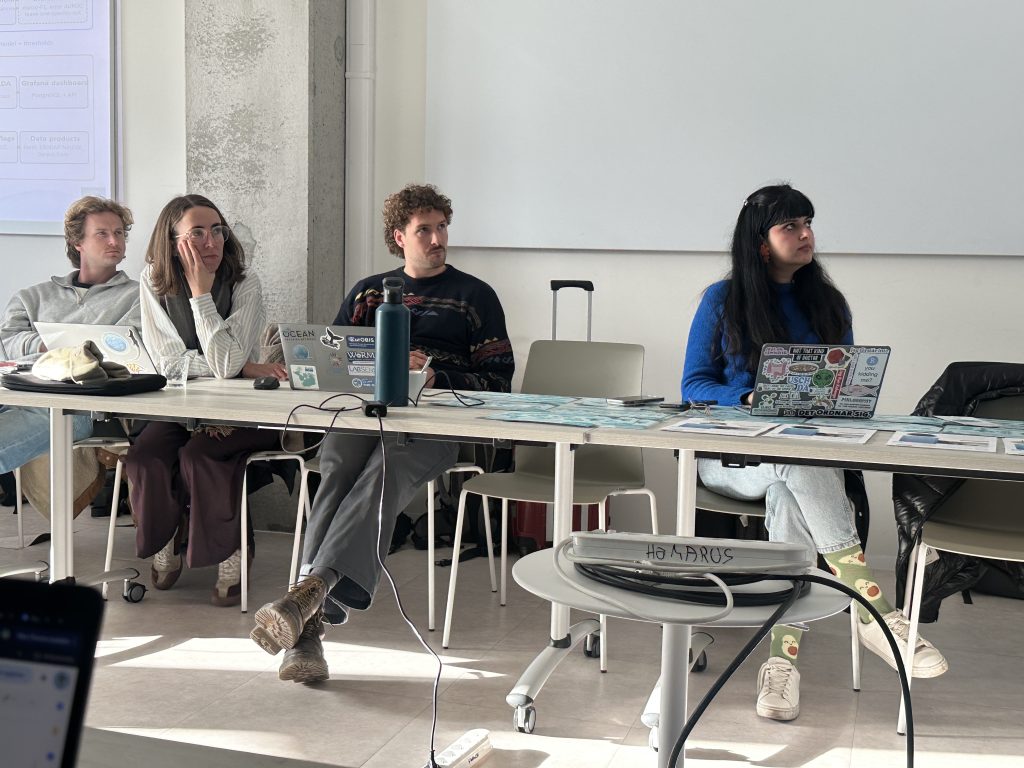
Throughout the day, presentations prompted numerous questions and lively exchanges among participants. The discussions reflected strong interest in the technologies and methods presented, as well as in the opportunities and challenges associated with their application to marine biodiversity monitoring.
Feedback from participants was also very positive. The majority rated the workshop as very good and indicated that it had improved their understanding of how imaging technologies can contribute to marine biodiversity monitoring. Most participants also considered the technologies and approaches presented to be useful for their work and for advancing marine research. This positive feedback highlights the value of bringing together experts from different disciplines and providing opportunities to discover practical applications of emerging technologies.
Bringing research infrastructures and technologies together for marine biodiversity
Understanding and monitoring marine ecosystems requires more than a single technology or scientific discipline. Research infrastructures such as Euro-BioImaging ERIC provide access to technical expertise and specialised services that can be combined with developments in other fields, including computer science, artificial intelligence, genomics and environmental DNA analysis. By bringing these disciplines together, researchers can move beyond individual observations towards integrated monitoring approaches that provide richer and more comprehensive information on marine organisms and their environments. Automated image analysis can help process large volumes of visual data, while genomic methods can reveal species and biodiversity information that may not be readily accessible through imaging alone. Through collaboration across research infrastructures, facilities and scientific communities, these complementary tools and expertise can help advance marine biodiversity research and support more effective, accessible and sustainable monitoring of our oceans.
More news from Euro-BioImaging
November 20, 2026
Global BioImaging celebrates 10 years at EMBL Heidelberg
Ten years after its founding, Global BioImaging brought together imaging scientists, core facility managers, technology developers, policymakers, funders and industry partners for its…
From synchrotron research to clinical applications: Advancing lung imaging at Euro-BioImaging's Trieste Node
How can synchrotron-based imaging move from experimental research towards clinical applications? This was among the questions explored at the International Workshop on Pulmonary…