
October 8, 2026
Euro-BioImaging at ‘Data Stewardship goes Germany – from going to growing’
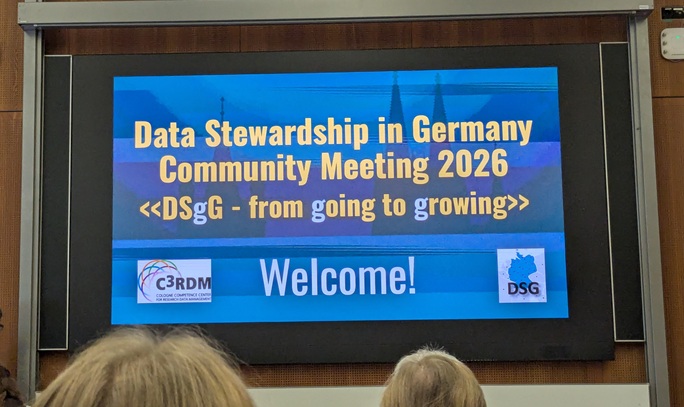
This September, Euro-BioImaging was part of the Data Stewardship goes Germany (DSgG) Community Meeting in Cologne. Under the theme “from going to…


The EVOLVE project, supported by European Union funding, recently completed a pilot programme designed to deepen the relationships between academic research infrastructures and industrial partners. Moving beyond traditional commercial interactions, the initiative sought to foster a culture of mutual knowledge exchange, shifting these connections toward more intentional, long-term partnerships.
A structured approach to matchmaking
The programme began with more than 50 expressions of interest from Euro-BioImaging Nodes, which were narrowed down through interviews to identify candidates based on the maturity of their ideas and their history of industrial collaboration. Ultimately, seven facilities were paired with six industry partners, in majority members of the Euro-BioImaging Industry Board.
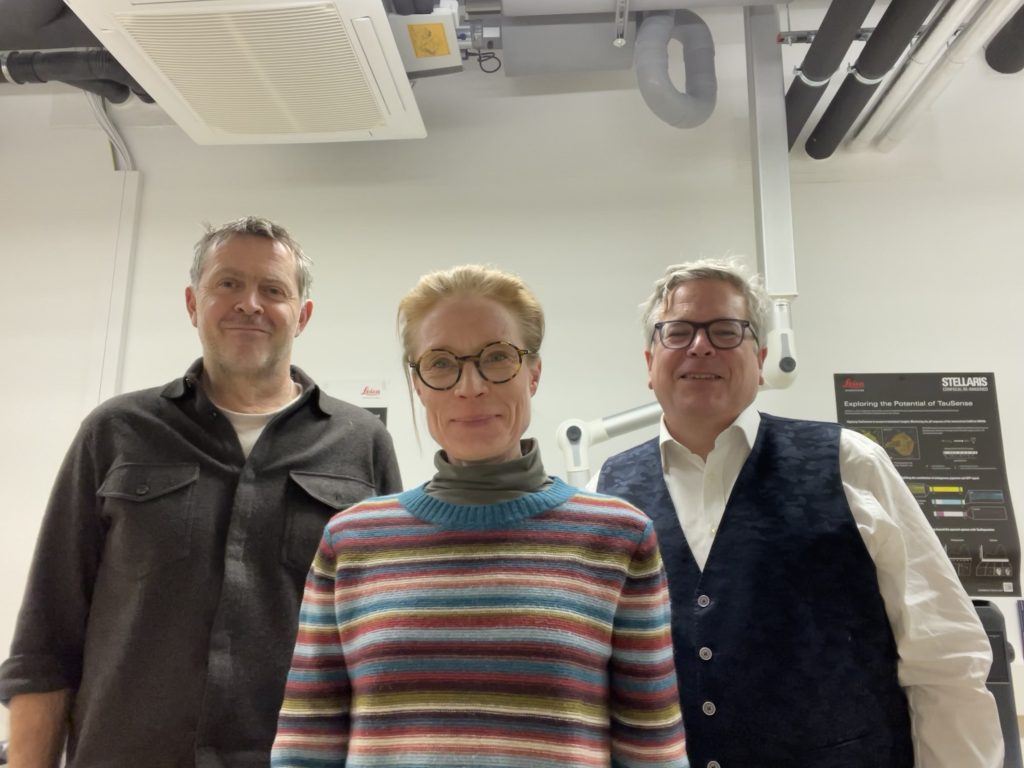
The flexible framework utilized iterative online meetings to define clear training paths to be implemented during 1-2 day site visits or a series of online interactions. This allowed academic staff to gain insights into topics such as industrial R&D and product life cycles, technology marketing, software development or start-up building in the diagnostics market, while company representatives could observe operational challenges of managing core facilities with high user volumes and gaining insights into real-world applications.
Tangible collaborative outcomes
The pilot resulted in several meaningful outputs that extend beyond the initial visits. In a notable example, the University of Amsterdam and PicoQuant established a partnership on industry internships within the context of the existing MSc for cell biology and advanced microscopy, aligning technology expertise with the university curriculum. In another instance, NorMIC Oslo and Thermo Fisher Scientific hosted a community workshop with over 50 participants and agreed to form a dedicated working group for STEM tomography.
Other pairings focused on technical alignment. The Bordeaux Imaging Center and ZEISS identified specific workflow bottlenecks, leading to the creation of shared requirement documents for future imaging technologies. Meanwhile, the University of Vienna and Leica Microsystems discussed a new instrument launch at an upcoming event alongside a session dedicated to improving user experiences.
Perspectives from participants
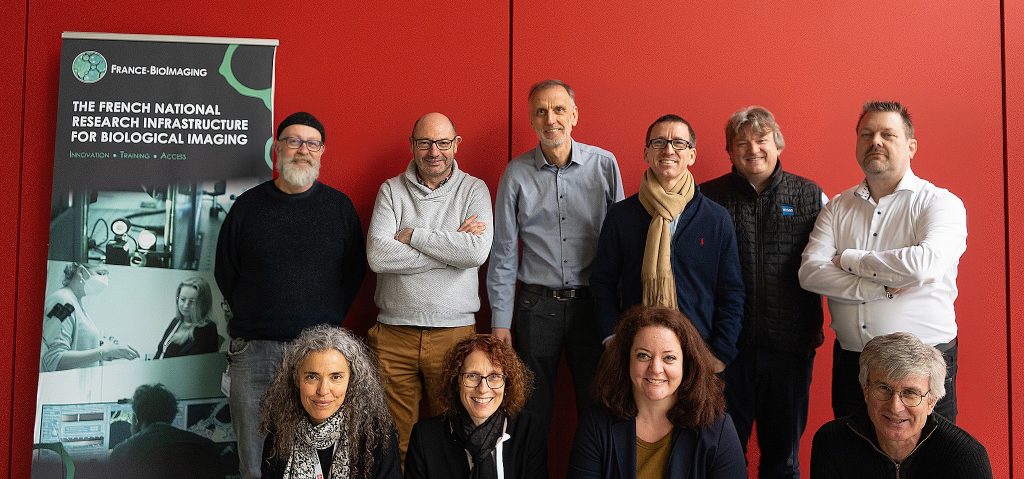
Feedback from the pilot was consistently positive, emphasizing the precision of the matchmaking and the value of direct dialogue. Frederik Siegmann of PicoQuant observed that "the openness of all participating partners allowed for deep insights into facility operations, user needs, and strategic challenges".
Similarly, Jan Fousek from CEITEC noted: “The matchmaking between our facility and the industry team was spot-on... I strongly believe that this pilot visit has established a solid mutual interest that will lead to further interactions”.
Future directions
The success of the pilot highlights the role of Euro-BioImaging as a central point of connection. By utilizing its network and domain expertise, the organization ensured mutually beneficial pairings to build stronger connections between Nodes and imaging companies. Euro-BioImaging would like to continue the initiative in the future, focussing on iterative engagement and transition of pilot activities into long-term partnerships between facilities and companies.
October 8, 2026
This September, Euro-BioImaging was part of the Data Stewardship goes Germany (DSgG) Community Meeting in Cologne. Under the theme “from going to…

October 7, 2026
On 28–29 September 2026, the growing French volume electron microscopy (vEM) community came together in Bordeaux for the first France VolumeEM Scientific Days.

October 7, 2026
Euro-BioImaging joined partners from across Europe on 29. & 30. September 2026 at the official kick-off meeting for STARDAST, a new Horizon Europe…