October 8, 2026
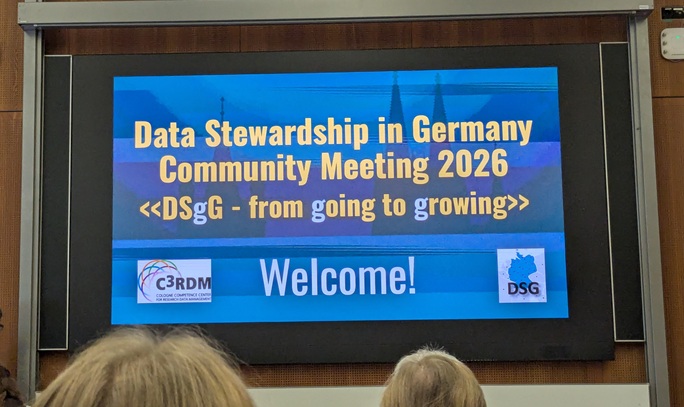
Euro-BioImaging at ‘Data Stewardship goes Germany – from going to growing’
This September, Euro-BioImaging was part of the Data Stewardship goes Germany (DSgG) Community Meeting in Cologne. Under the theme “from going to…



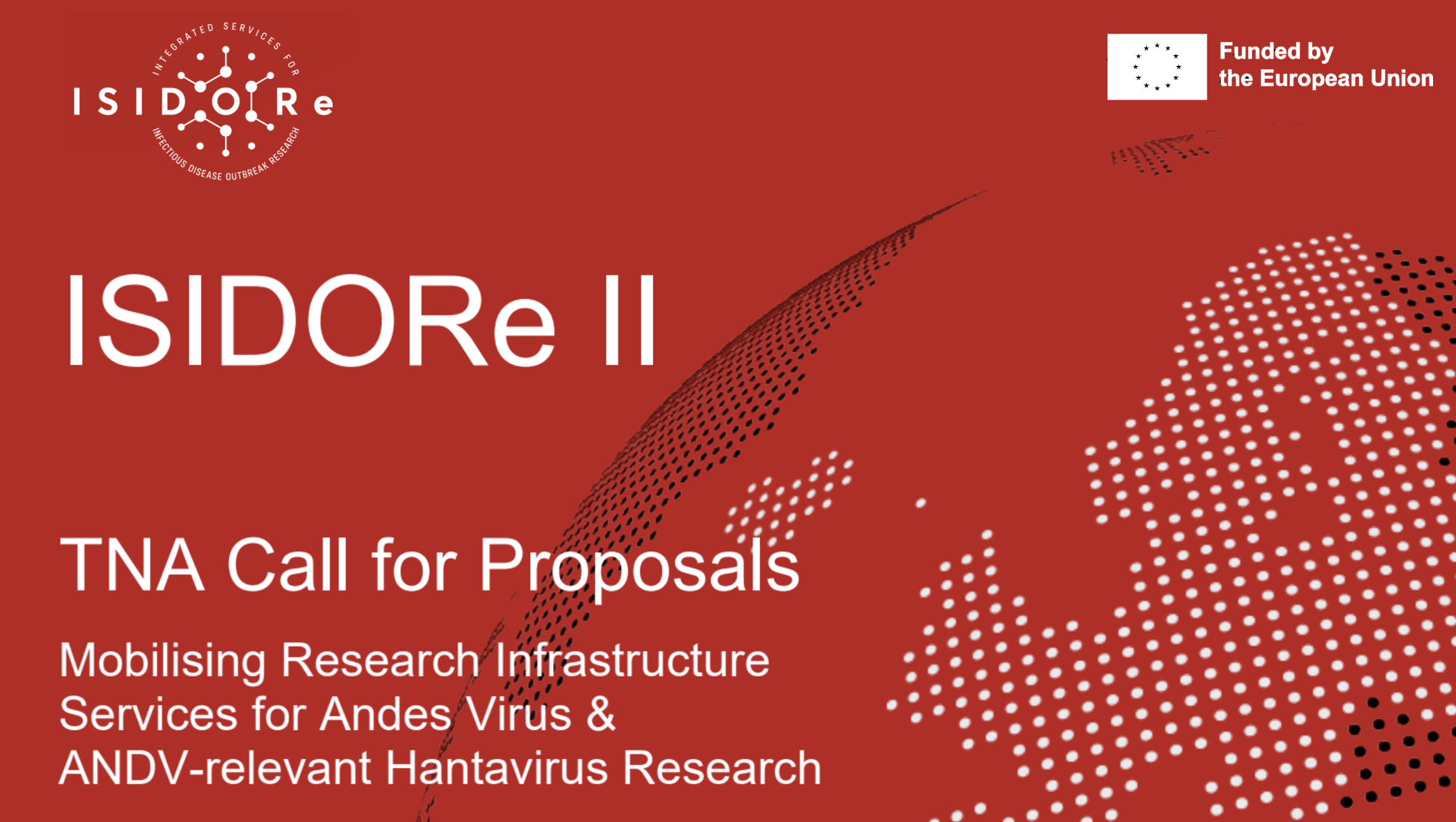
Euro-BioImaging is pleased to announce the launch of ISIDORe II first Open Call for proposals. The ISIDORe II first Open Call offers researchers the opportunity to access, free of charge, specialised expertise, technologies, facilities and services from across Europe to support research on Andes virus (ANDV) and ANDV-relevant hantaviruses. From advanced imaging and characterisation to experimental models, diagnostics and other specialised research services, the call brings together a broad range of capabilities to help researchers address key questions in ANDV research and strengthen preparedness and response.
The call is designed to support research needs identified as particularly relevant to preparedness and response. Priority will be given to proposals addressing therapeutic and non-vaccine prophylactic candidates; diagnostics, tools, assays, reagents and reference materials; and ANDV models, experimental systems and readouts. Research involving other hantaviruses may also be supported where a clear relevance to ANDV research is demonstrated.
The call focuses on Andes virus (ANDV; Orthohantavirus andesense). Work involving another orthohantavirus may be considered only when that virus is used to address a defined ANDV-relevant question, for example as an experimentally justified surrogate, comparator virus, reagent source, assay control or model-development tool. Standalone work on other hantaviruses is outside the scope of this call.
Applicants are invited to propose projects addressing one or more of the following priority areas:
Transnational Access enables researchers to obtain free-of-charge access to specialised research infrastructure services rather than receiving a financial grant. Successful applicants will benefit from the expertise, technologies and facilities available through the ISIDORe service catalogue, with ISIDORe covering the costs of the requested services.
The TNA mechanism is a cornerstone of ISIDORe, supporting research by connecting scientists with high-quality research infrastructures across Europe. It contributes to accelerating the development of medical countermeasures while promoting collaboration, data sharing and scientific excellence in pandemic preparedness research.
Euro-BioImaging is providing within ISIDORe II a set of integrated and high-quality imaging services that support ISIDORe user projects, ensure FAIR management and dissemination of imaging data, and expand the accessibility of cutting-edge imaging technologies through Euro-BioImaging Nodes. Below is an overview of Euro-BioImaging services categories provided within the first call.
We encourage you to check the ISIDORe catalogue of services for more information about all available services:
The call is open to researchers from universities, public research organisations, public-health research bodies, industry, SMEs and other research-performing organisations. Access will follow Horizon Europe Transnational Access rules, with priority given to applicants who did not receive support under the first ISIDORe project.
National access applications for Euro-BioImaging ERIC services are eligible, as long as the applicant is from a different hosting institution compared to the facility to which they are applying.
for more information about the call criteria and eligibility conditions you can visite ISIDORe official website.
If you have any additional questions at any time, please contact isidoreprojects@eurobioimaging.eu
ISIDORe II is organising an information webinar to provide you with information about this call for proposals and its application modalities, as well as to answer your questions.
Participation in the event is free, please register here.
Date: 28 September 2026 – 2-3:30 PM CEST, Online Event
Zoom link: https://us06web.zoom.us/j/81418594472?pwd=3TjaJfSiorM6QQA9eZHvhrrf3S8UwV.1
Agenda:
October 8, 2026
This September, Euro-BioImaging was part of the Data Stewardship goes Germany (DSgG) Community Meeting in Cologne. Under the theme “from going to…

October 7, 2026
On 28–29 September 2026, the growing French volume electron microscopy (vEM) community came together in Bordeaux for the first France VolumeEM Scientific Days.

October 7, 2026
Euro-BioImaging joined partners from across Europe on 29. & 30. September 2026 at the official kick-off meeting for STARDAST, a new Horizon Europe…