
October 21, 2026
ESG4Stars project launched
On October 5-6, the ESG4Stars project was launched. ESG4stars aims to reduce the environmental impact of research infrastructures. The kick-off meeting and…



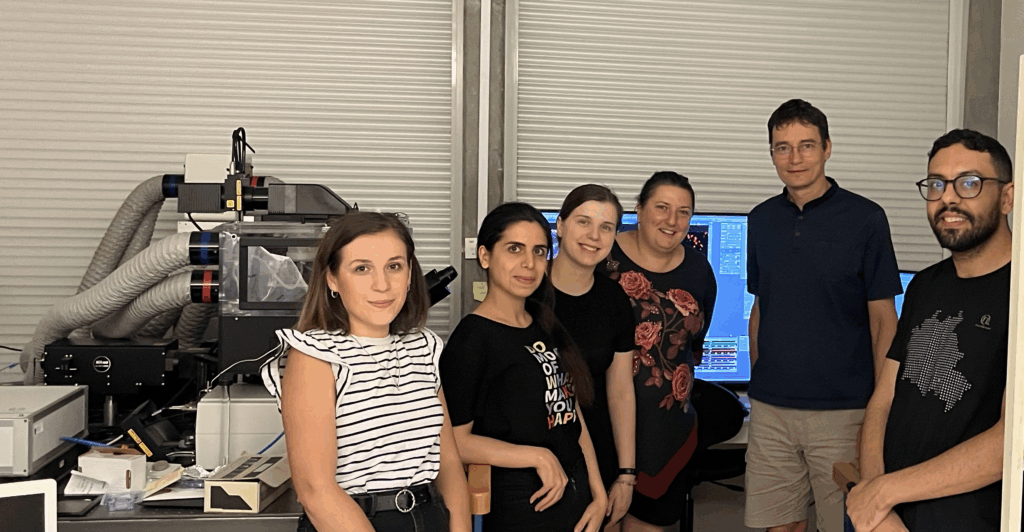
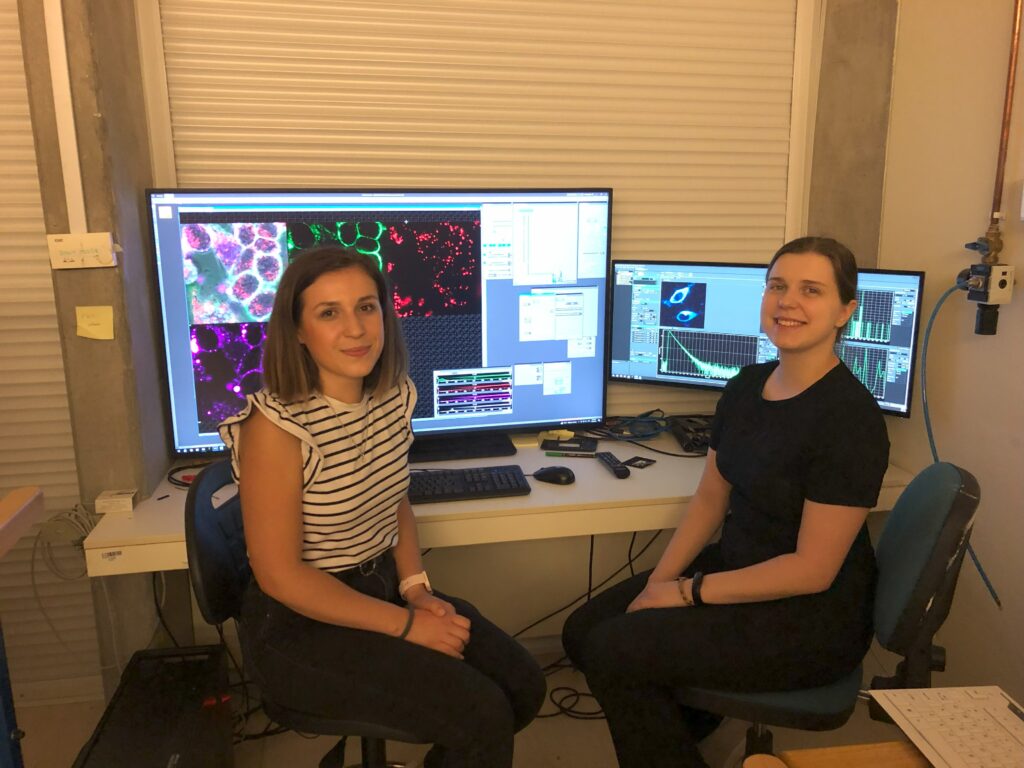
Euro-BioImaging’s Cellular Imaging Hungary Node (University of Debrecen, Hungary) was happy to host Dr. Veronika Huntošová of the Center for Interdisciplinary Biosciences, Technology and Innovation Park at UPJŠ, Slovakia, and her team, for a series of Fluorescence LIfetime Imaging (𝗙𝗟𝗜𝗠) 𝗲𝘅𝗽𝗲𝗿𝗶𝗺𝗲𝗻𝘁𝘀 this summer. The visits were supported by canSERV, which provides cutting-edge cancer research services across Europe and is funded under the Horizon Europe programme under grant agreement number 101058620.
FLIM is an advanced microscopy approach used to explore dynamics in living cells. Supported by the expertise of Dr. Gyorgy Vámosi at the Institute of Biophysics and Cell Biology of the University of Debrecen, part of our Cellular Imaging Hungary Node, Dr. Veronika Huntošová and her team will focus on changes in the endomembrane system of breast cancer cells, using FLIM to monitor them after treatment by DARPin proteins that specifically bind to HER2 receptors of these cells. We are excited to learn more about how this collaboration will contribute to a better understanding of breast cancer!
October 21, 2026
On October 5-6, the ESG4Stars project was launched. ESG4stars aims to reduce the environmental impact of research infrastructures. The kick-off meeting and…

October 16, 2026
A new online platform to connect researchers, infrastructures, and funders to accelerate AI scientific discovery across Europe Dublin, Ireland, 15 October…
October 16, 2026
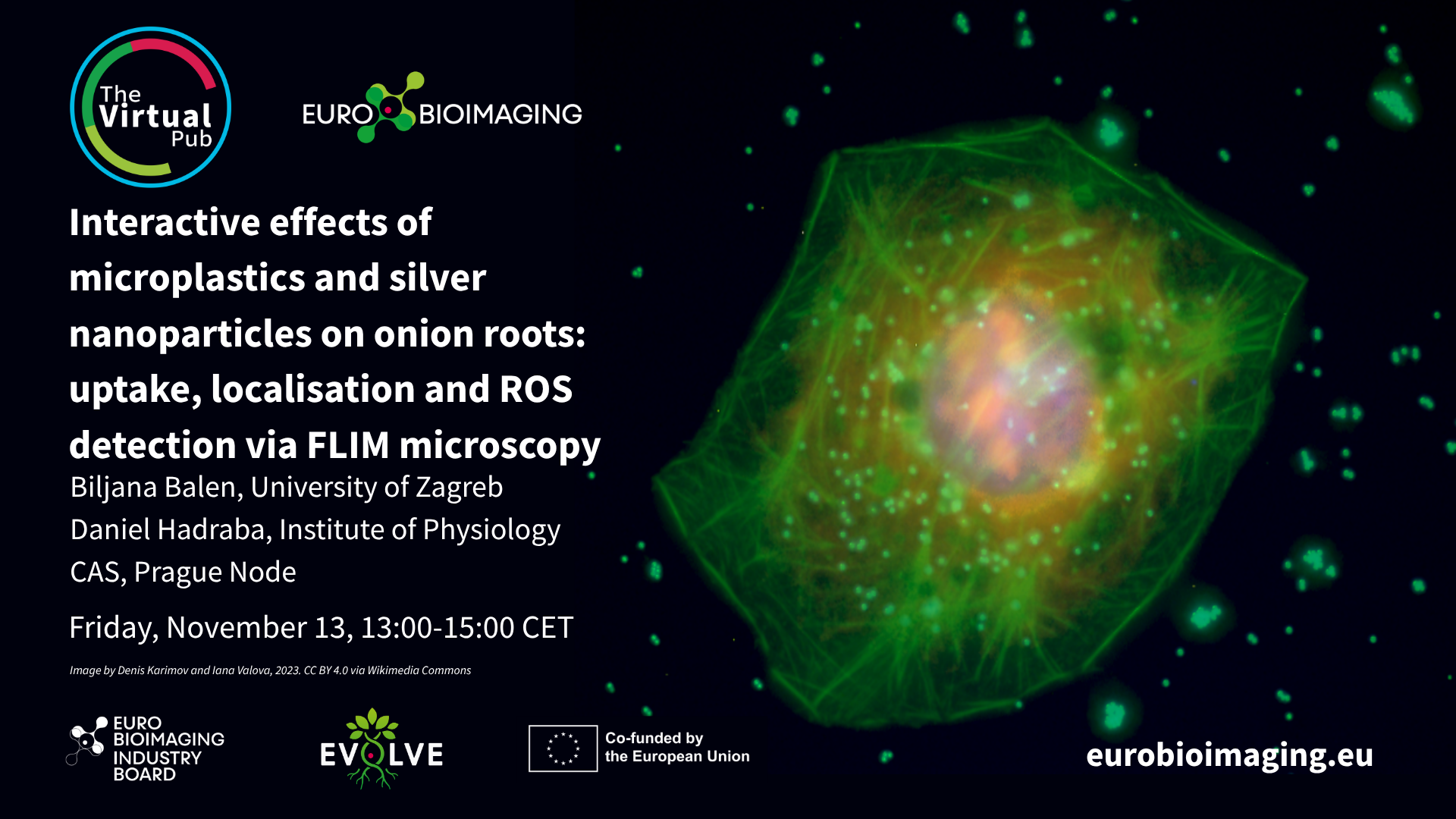
At the Special Edition Virtual Pub, “Imaging Micro- and Nanoplastics,” Euro-BioImaging users, Node experts and Industry partners will explore how advanced microscopy, clinical…