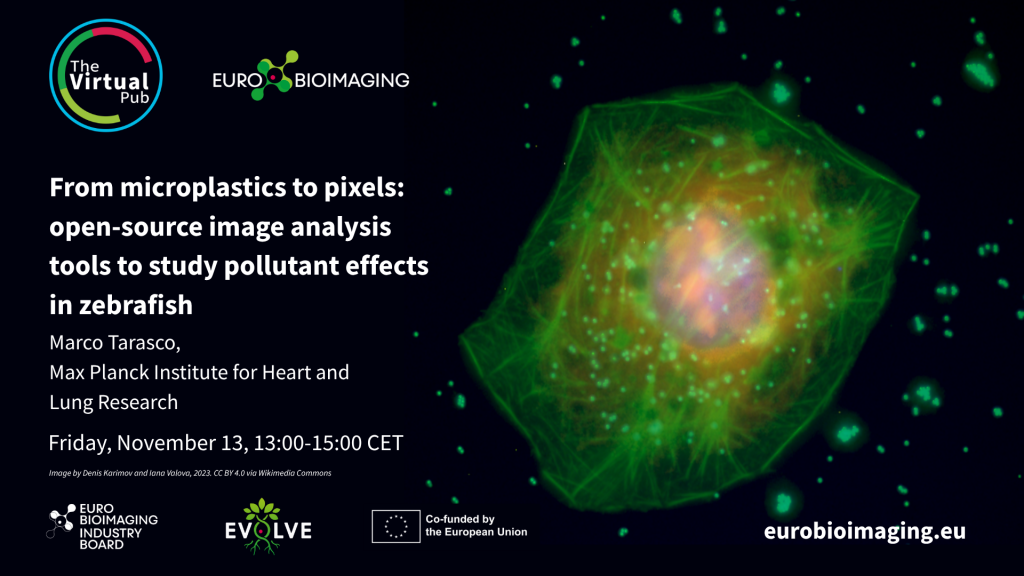
At the Special Edition Virtual Pub, "Imaging Micro- and Nanoplastics," Euro-BioImaging users, Node experts and Industry partners will explore how advanced microscopy, clinical imaging, and image analysis can be used to detect and study micro- and nanoplastic particles.
At this event, Marco Tarasco, Max Planck Institute for Heart and Lung Research, will share ZFBONE, an open-source Fiji toolset for the semi-automated morphometric analysis of zebrafish bone structures that he developed in collaboration with the France BioImaging Node, and which can be used to analyse data from chemical compound screens.
Join us on Friday, November 13, from 1-3 pm CEST for the Special Edition Virtual Pub to hear this talk and others like it!
From microplastics to pixels: open-source image analysis tools to study pollutant effects in zebrafish
Speaker: Marco Tarasco, Max Planck Institute for Heart and Lung Research
Microplastics are now found throughout aquatic ecosystems, and their ability to absorb organic pollutants creates a new route for toxic compounds to enter the food web. To assess their long-term biological effects, we raised zebrafish in plastic-free housing systems and fed them throughout development with polyethylene microparticles, either pristine or spiked with benzo[α]pyrene, a persistent organic pollutant. Our results showed that long-term microplastic exposure impairs growth, reproduction, and skeletal integrity, with consequences extending to the next generation.
Studies like this one generate thousands of images, and manual analysis quickly becomes both a bottleneck and a source of operator bias. To address this, we developed several ImageJ macros, including ZFBONE, an open-source Fiji toolset for the semi-automated morphometric analysis of zebrafish bone structures. Since then, ZFBONE has also been used to screen chemical compounds.
In this talk, I will present the main findings of our microplastics research and briefly show how these macros work in practice. I will also share how support from the network of european bioimage analysts (NEUBIAS) helped me develop and implement these tools, and how it continues to shape my work as a postdoctoral researcher.
More news from Euro-BioImaging
October 16, 2026
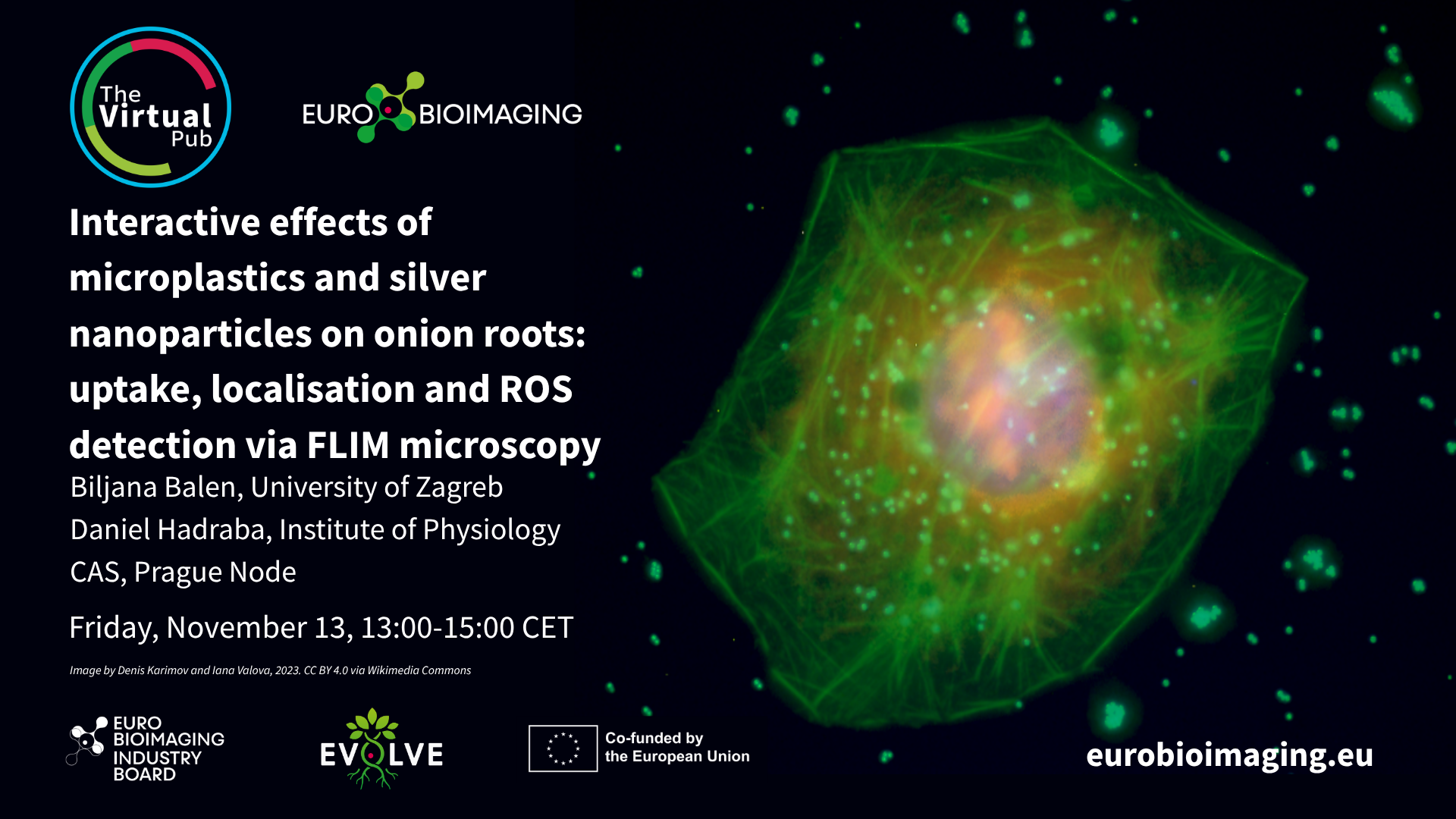
Interactive effects of microplastics and silver nanoparticles on onion roots: uptake, localisation and ROS detection via FLIM microscopy
At the Special Edition Virtual Pub, “Imaging Micro- and Nanoplastics,” Euro-BioImaging users, Node experts and Industry partners will explore how advanced microscopy, clinical…
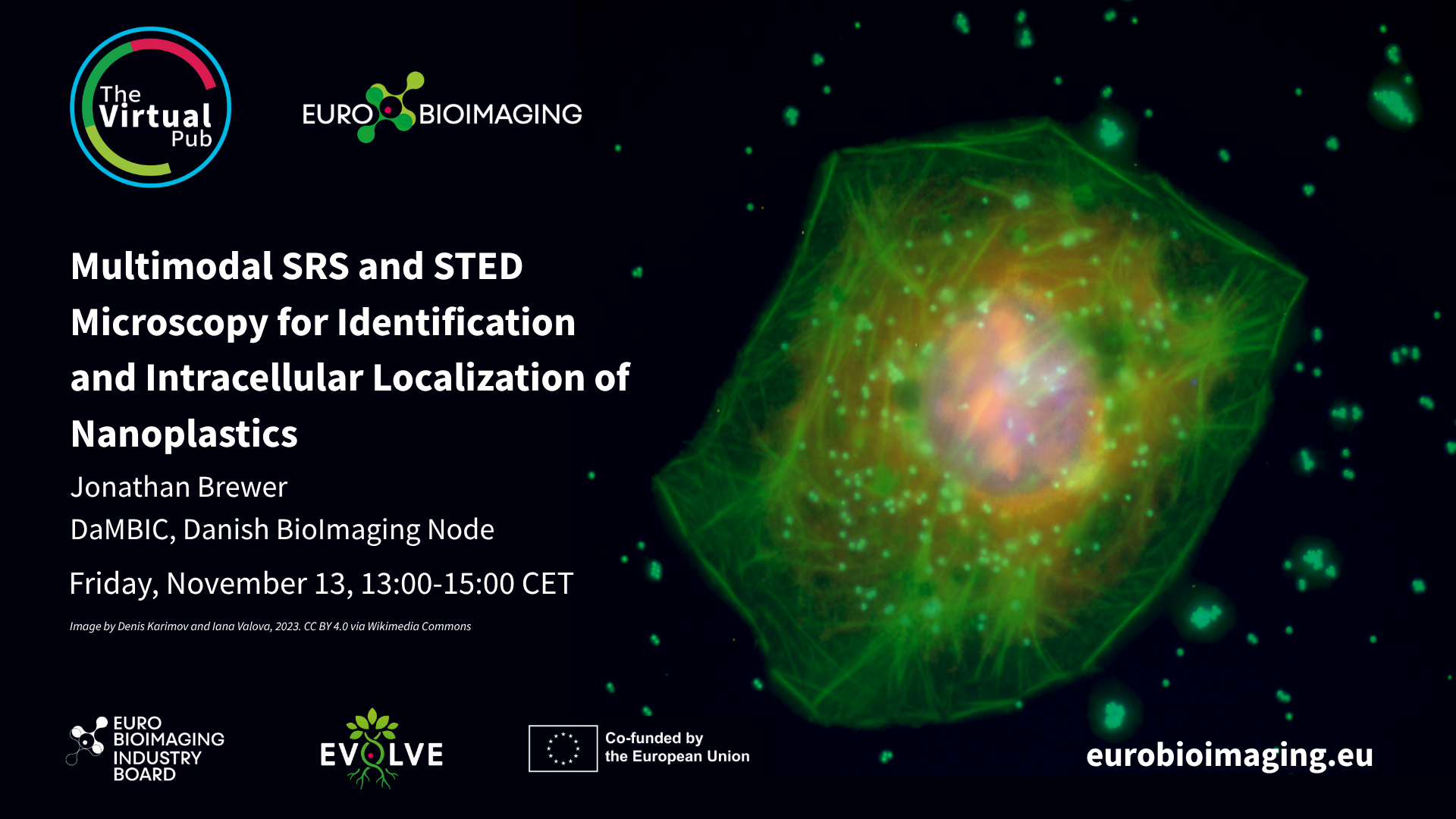
Multimodal SRS and STED Microscopy for Identification and Intracellular Localization of Nanoplastics
At the Special Edition Virtual Pub, “Imaging Micro- and Nanoplastics,” Euro-BioImaging users, Node experts and Industry partners will explore how advanced microscopy, clinical…
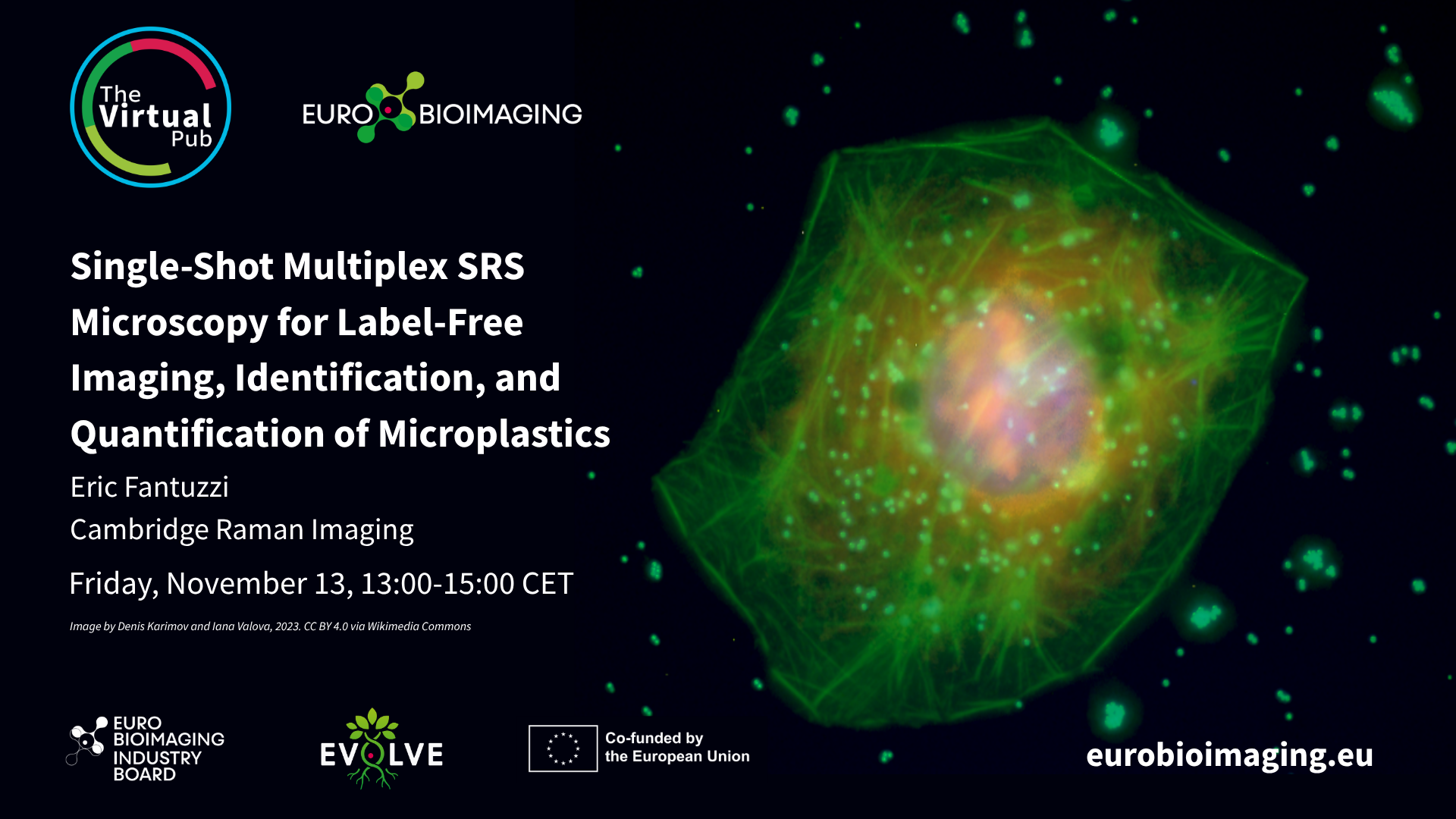
Single-Shot Multiplex SRS Microscopy for Label-Free Imaging, Identification, and Quantification of Microplastics
At the Special Edition Virtual Pub, “Imaging Micro- and Nanoplastics,” Euro-BioImaging users, Node experts and Industry partners will explore how advanced microscopy, clinical…