October 26, 2026
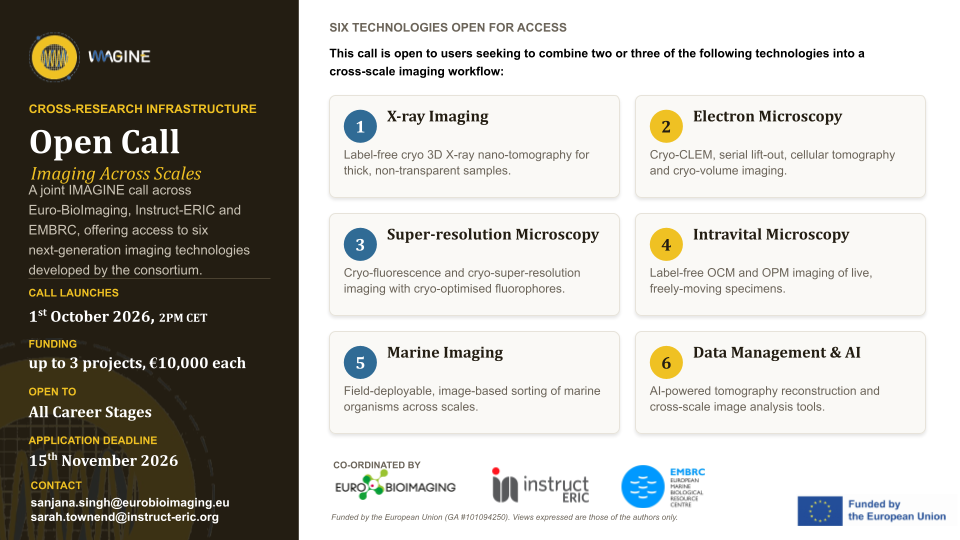
Try novel imaging workflows with the IMAGINE Open Call
Could combining novel imaging technologies help you answer a research question—or develop a new workflow at your facility? The IMAGINE Open Call:…



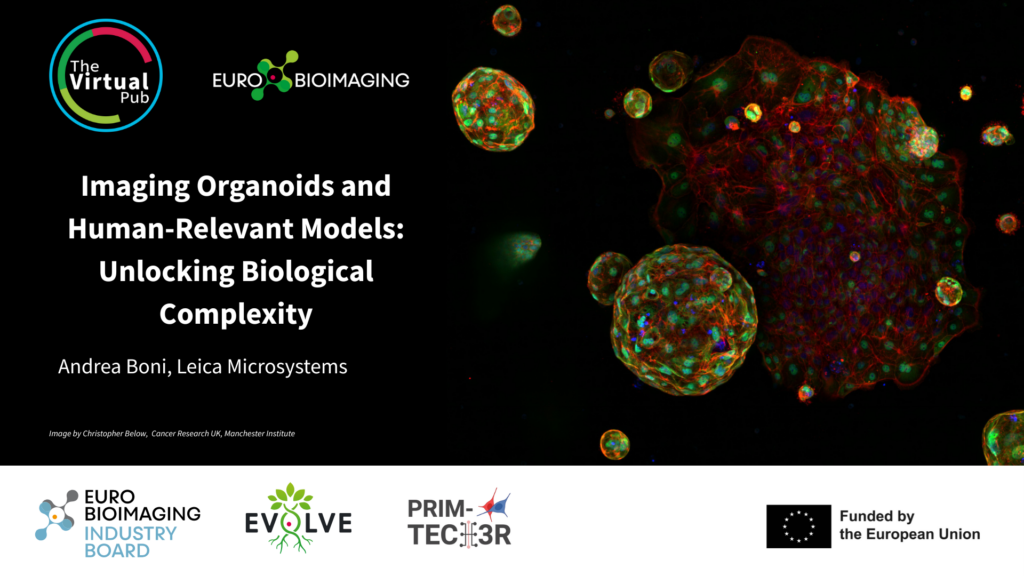
We will host the Special Edition Virtual Pub "Imaging Organoids" on Friday, January 30, from 1-3 pm CET. It will focus on methods used to image organoid systems. As part of this event, Karl Zhang, Center for Cellular Imaging, University of Gothenburg, Swedish NMI Node, will give a talk entitled "Optimizing Tissue Clearing Protocols and Imaging Techniques for Organoid study" (description below). Join us to hear this and other exciting presentations introducing a range of methods used to image organoid systems - from lung buds to mini-brains.
Title: Optimizing Tissue Clearing Protocols and Imaging Techniques for Organoid study
Presenter: Karl Zhang, Center for Cellular Imaging, University of Gothenburg, NMI Sweden Node
Organoids are advanced three-dimensional in vitro models that recapitulate key structural and functional characteristics of native tissues. However, their inherent architectural complexity poses significant challenges for high-resolution microscopy analysis. Accurate visualization of organoid architecture and dynamic biological processes depends not only on advanced imaging technologies but also on optimized sample preparation and clearing protocols.
In this presentation, I will explore various organoid sample clearing methods and demonstrate how different microscopy modalities—including confocal and light-sheet microscopy—can be strategically combined with appropriate preparation techniques to address specific research objectives in organoid studies.
October 26, 2026
Could combining novel imaging technologies help you answer a research question—or develop a new workflow at your facility? The IMAGINE Open Call:…
October 23, 2026
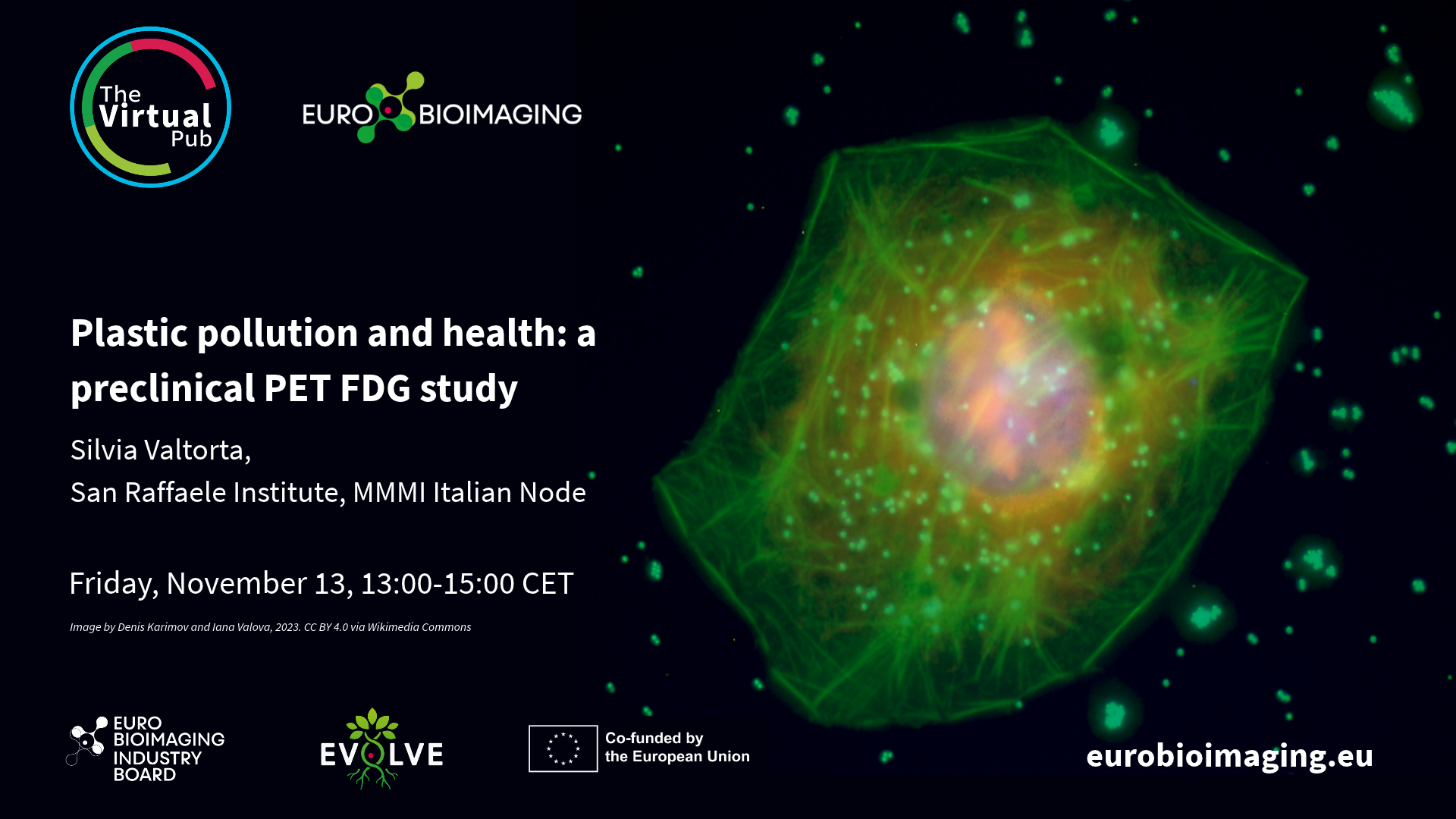
At the Special Edition Virtual Pub, “Imaging Micro- and Nanoplastics,” Euro-BioImaging users, Node experts and Industry partners will explore how advanced microscopy, clinical…
October 23, 2026
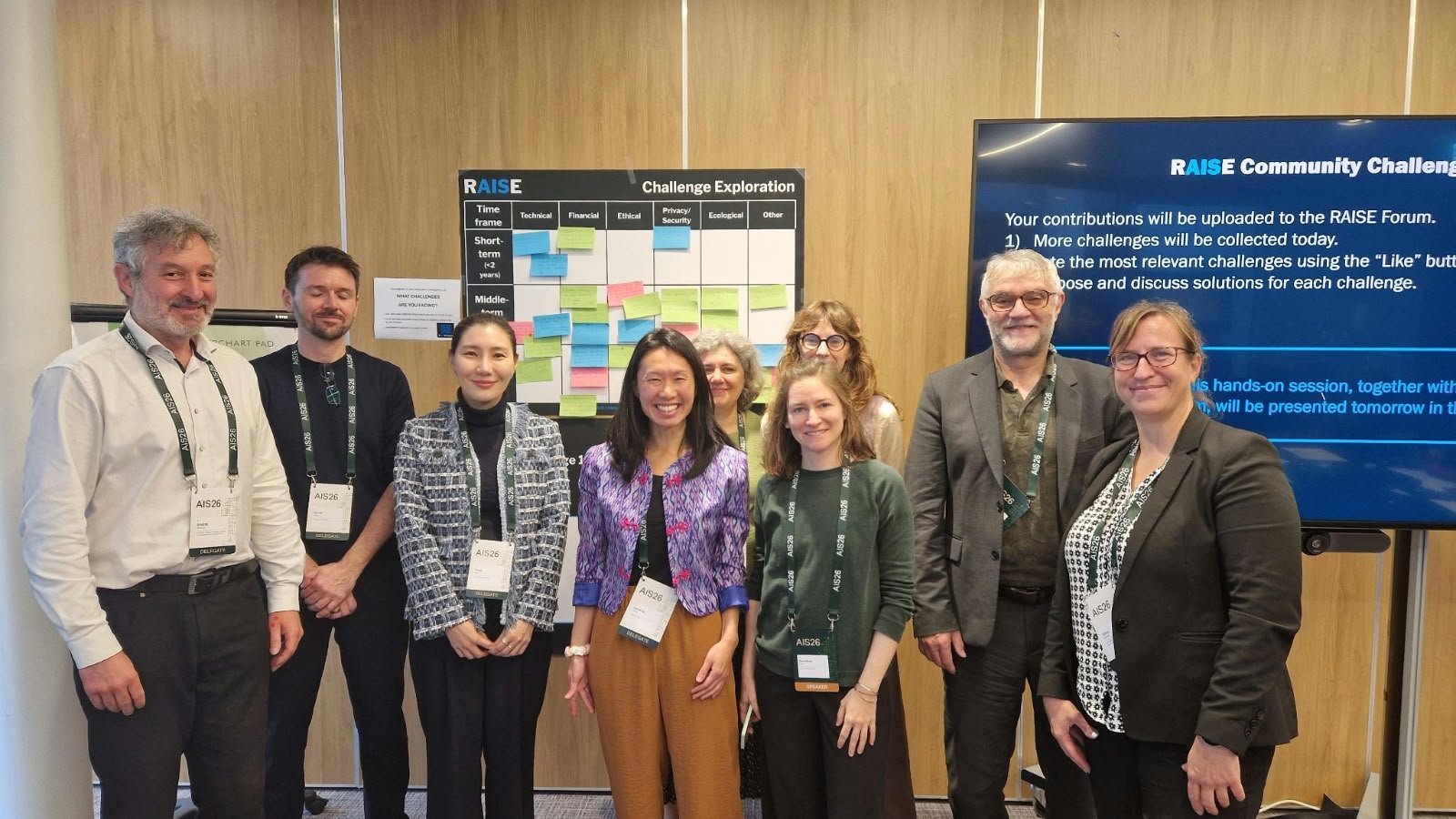
At the AI in Science Summit 2026 (AIS26) in Dublin, Euro-BioImaging joined Europe’s scientific community, AI experts, industry representatives and…