May 8, 2026
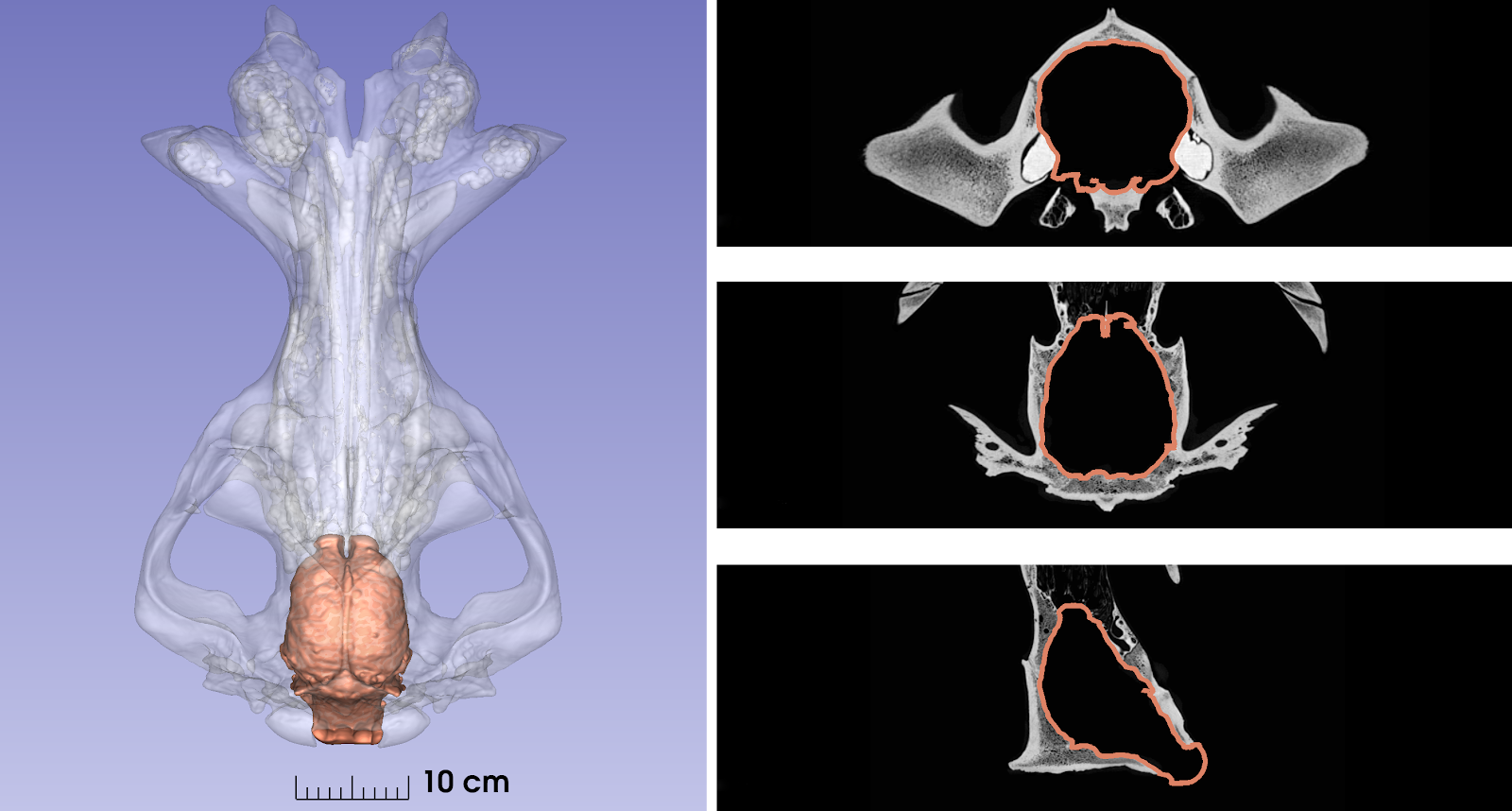
Brain evolution in continental and insular mammals
The origin and evolution of insular large mammals is key to understanding broader mammalian adaptations and selective processes, offering valuable insights relevant to other…



VRVis Zentrum für Virtual Reality und Visualisierung is Austria's leading research center in the field of visual computing and a founding member of Euro-BioImaging's Austrian BioImaging/CMI Node. For several years, VRVis has run a Visual Computing Award, to honour visual computing research that creates sustainable solutions in line with the UN’s 17 Sustainable Development Goals. In this interview with Katja Bühler, Scientific Director of VRVis, she explains what the Visual Computing Award 2025 is all about and encourages imaging scientists to submit their image datasets to this award.
Katja Bühler: The VRVis Visual Computing Award is a great opportunity for researchers in Visual Computing to showcase how they contribute to the UN's Sustainable Development Goals (SDGs). The award, sponsored by VRVis, offers a fantastic chance to be selected by an international jury of informatics researchers and SDG experts. The overall award is 5,000€, and the ceremony will take place at the highly-anticipated Symposium Visual Computing Trends in Vienna on 30 January 2025.
Katja Bühler: One important aspect of Visual Computing is that it aims at making any kind of data intuitively accessible and usable by visual, and very often interactive, means. This does not only cover the visualization of data but the whole pipeline including methods from data management, interface development as well as advanced techniques for visualizing and interactive exploration and mining of huge amounts of data. This is often densely integrated with AI-based data analytics, generative methods, and simulation. Visual Computing is not bound to any specific application sector and VRVis is handling data across all scales - from molecules to entire planets!
Imaging is one of the most exciting data acquisition techniques today, with amazing opportunities to support the achievement of the UN SDGs! We highly welcome submissions from Visual Computing Scientists collaborating with Imaging Scientists.
- Katja Bühler
VRVis is a founding member of Austrian Bioimaging, the Austrian EuroBioimaging Node. Imaging data is extremely rich in information and an important field of research at VRVis and of many Visual Computing researchers. We develop for example solutions for accelerating image-based medical workflows, interactive mining of large neuroscience data collections, as well as data integration and analytics solutions for agriculture and manufacturing covering many different image acquisition techniques.
Katja Bühler: The award was a brainchild of many people. Together with Gerd Hesina, CEO of VRVis, and Werner Purgathofer, Professor at TU Wien and former Scientific Director of VRVis, we spoke about the possibility of an award for many years. With this award, we want to achieve three goals:
Katja Bühler: The VRVis Visual Computing Award has a clear focus on the United Nations Sustainable Development Goals (SDGs), highlighting the important contributions that visual computing is already making towards achieving each goal. As researchers, we have a responsibility to contribute, may it be on a national and international level. Also, this award is coming from our hearts – many VRVis researchers stand behind this mission to better the world through innovation and research collaboration.
Katja Bühler: The first VRVis Visual Computing Award 2023 was split ex aequo towards two winners: Gaia Pavoni from ISTI-CNR in Italy and Thomas Höllt from TU Delft.
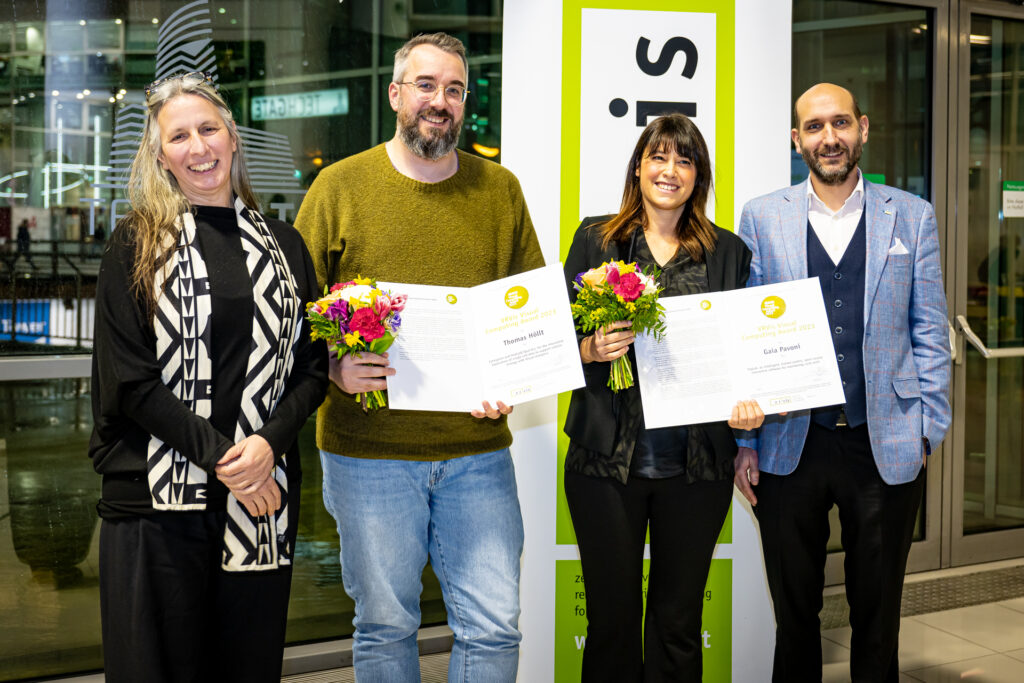
Katja Bühler: Imaging is one of the most exciting data acquisition techniques today, with amazing opportunities to support the achievement of the UN SDGs! This is also reflected by the fact that both winners in 2023 developed solutions that are based on imaging data in a wide sense: Gaia Pavoni’s solution was a real game-changer, offering cutting-edge AI-supported annotation of coral orthoimages. Thomas Höllt convinced with his innovative Visual Analytics tools that already created an impact on the study of autoimmune diseases, cancer, and parasitic and viral infections such as COVID-19. Thus, we highly welcome submissions from Visual Computing Scientists collaborating with Imaging Scientists who are generating a real impact on SDGs with their work.
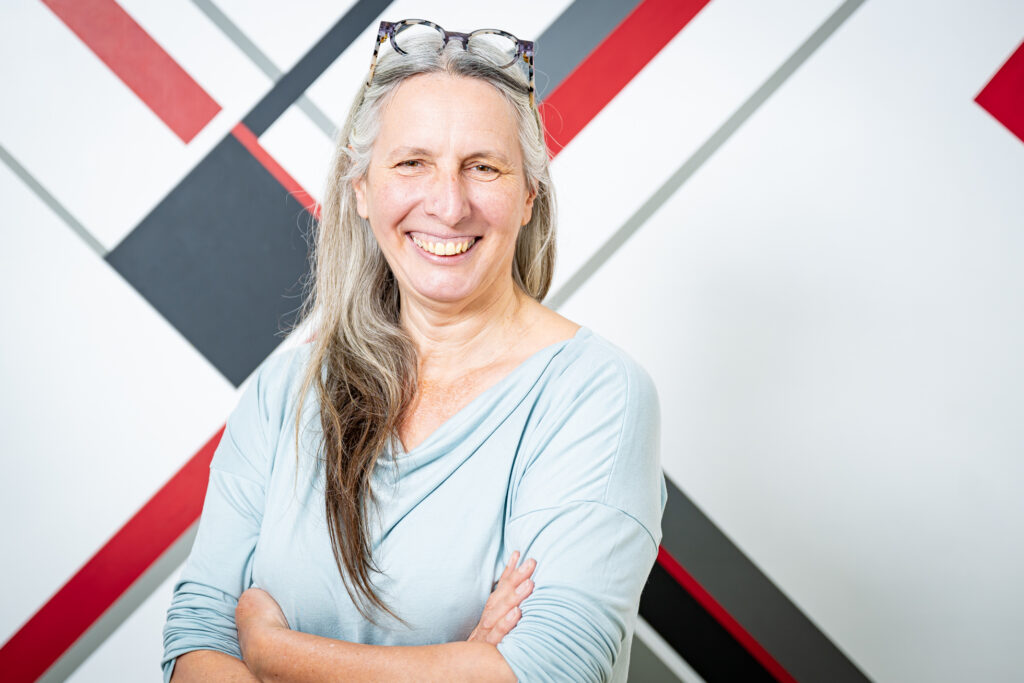
Katja Bühler is the scientific director of VRVis Zentrum für Virtual Reality und Visualisierung. VRVis is Austria's leading research center in the field of visual computing. The VRVis team in Vienna and Graz consists of 80 researchers who use their expertise in artificial intelligence, image processing, visual data analysis, extended reality, and simulation to optimise decision-making processes and workflows, focusing on human-centred applications.

With more than two decades of experience in application-oriented research in close cooperation with national and international partners from science, business, and industry, VRVis’ main goal as a COMET competence center is to develop innovative solutions for direct use in practice. Thank you VRVis for writing this nice interview article for the Euro-BioImaging website!
May 8, 2026
The origin and evolution of insular large mammals is key to understanding broader mammalian adaptations and selective processes, offering valuable insights relevant to other…
May 7, 2026
The Basque Resource for Electron Microscopy (BREM) provides access to high-end instrumentation and expertise in high-resolution cryo-electron microscopy (Cryo-EM) to national and international researchers,…
May 6, 2026
We are delighted to announce the winners of the “Winter” round of our Four Seasons of the Invisible Imaging Contest. Launched in early 2025,…