October 8, 2026
Euro-BioImaging at ‘Data Stewardship goes Germany – from going to growing’
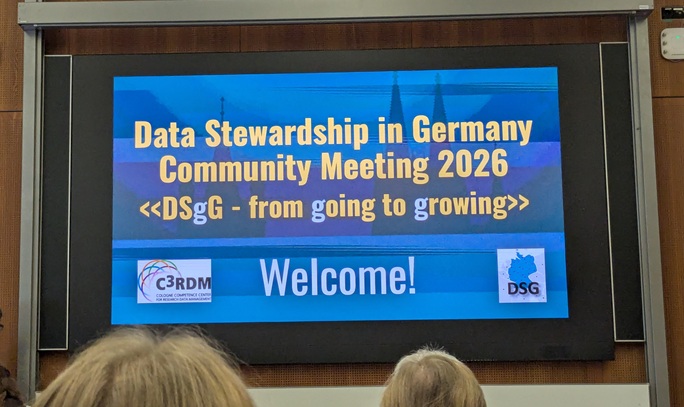
This September, Euro-BioImaging was part of the Data Stewardship goes Germany (DSgG) Community Meeting in Cologne. Under the theme “from going to…



We're delighted to announce that the UK Euro-BioImaging Node is expanding, growing from seven to thirteen sites following a successful upgrade application and a "Highly Recommended" grading from the Euro-BioImaging Scientific Advisory Board. Since launching in 2023, the UK Node has already supported over 400 external researchers, and this upgrade — backed by a ~£2M investment from UKRI (BBSRC and MRC) — significantly broadens the technologies, expertise and geographical reach on offer to the bioimaging community.
Article contributed by Georgina Fletcher, Euro-BioImaging UK Node Manager
Six new sites join the seven founding facilities at King's College London, The Francis Crick Institute, the Edinburgh Super-Resolution Imaging Consortium (ESRIC), CLF OCTOPUS at Harwell, Oxford Brookes University, and the Universities of York and Liverpool. The new additions are: the Babraham Institute, Newcastle University, the University of Birmingham, the University of Leeds, the University of Oxford, and UK-BIAS, the UK's distributed national core facility for bioimage analysis, which brings expert image analysts from ten UK institutions into the UK Node for the first time.
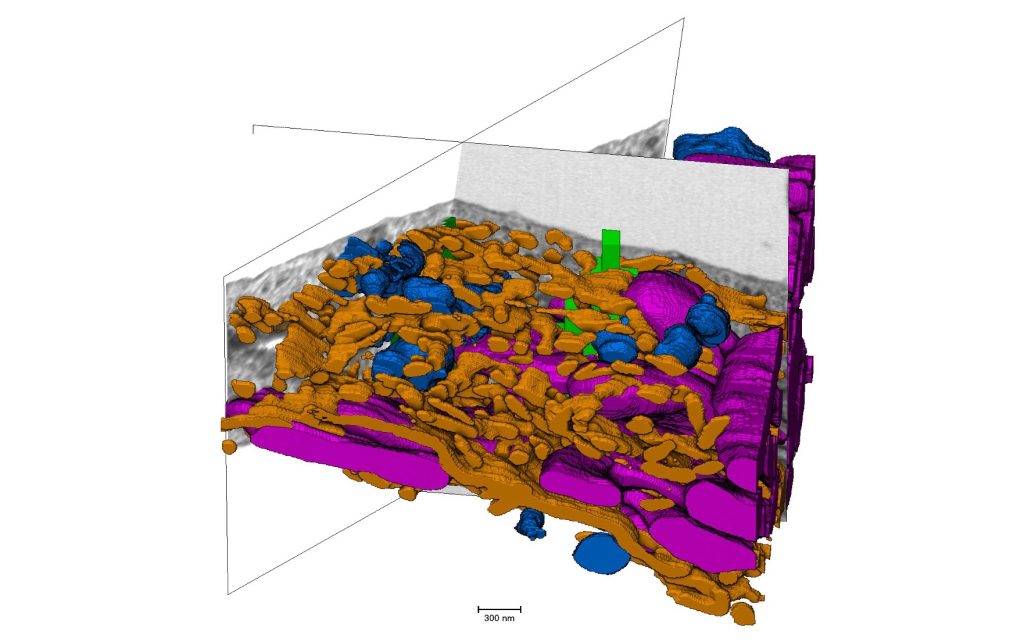
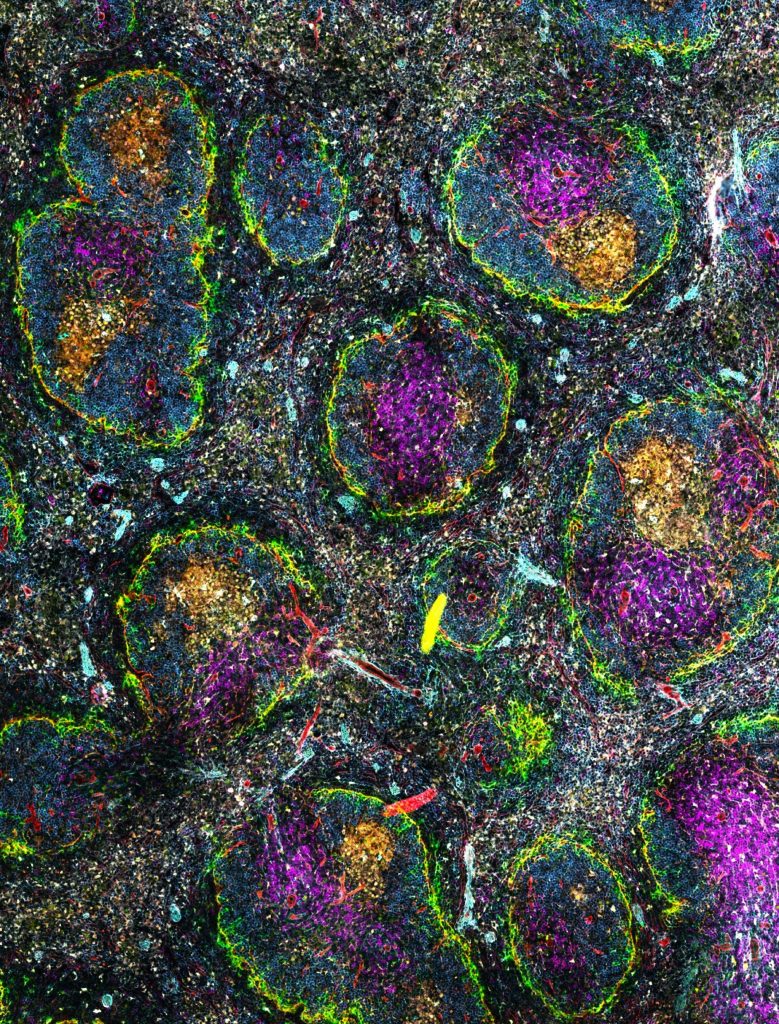
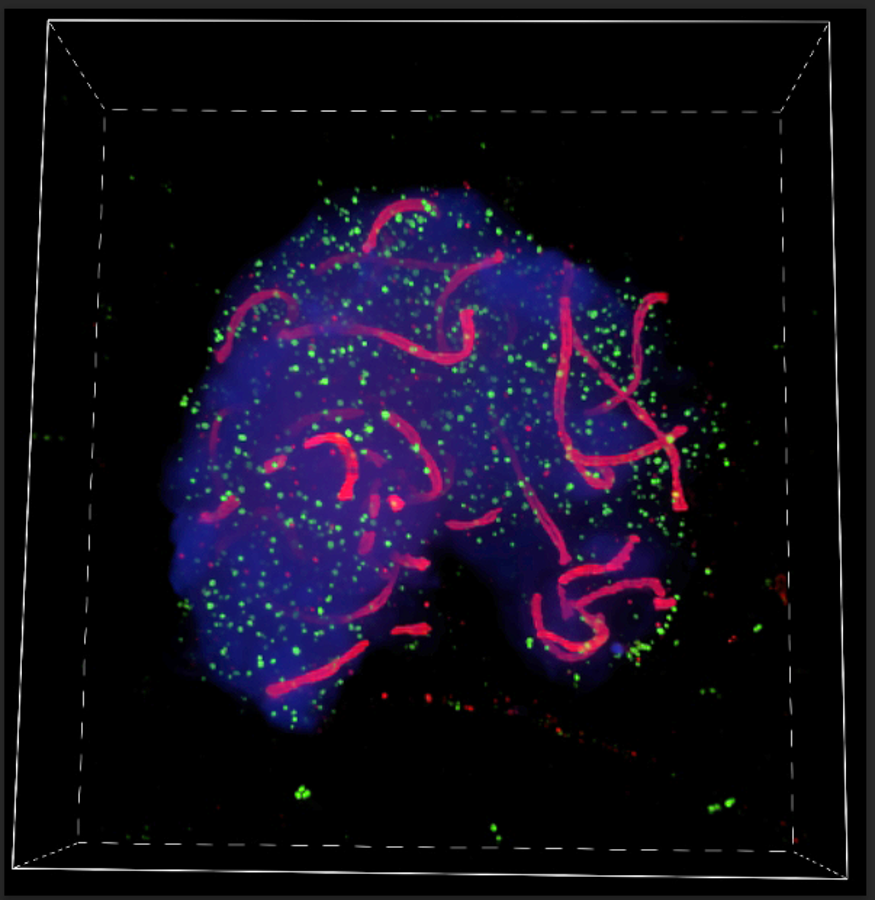
Together, the new sites add substantial new capability to the Node's offer. Newcastle and Babraham bring nationally distinctive spatial proteomics and spatial transcriptomics platforms; Birmingham adds ultrafast single-molecule and super-resolution imaging; Leeds contributes a globally leading multi-scale pipeline spanning cryoEM, atomic force microscopy and label-free hyperspectral imaging; and Oxford strengthens the Node's super-resolution offer with SIM, TauSTED and lattice light-sheet platforms. UK-BIAS closes a long-standing gap by giving users direct access to expert, FAIR-compliant image analysis support alongside their imaging access.
"We are delighted to welcome the 6 new sites to the UK Node. The leading expertise and technology platforms they bring enhances the UK Node by expanding our biological imaging capabilities and services to benefit the broader research community.”
-- Prof. Maddy Parsons, BioImagingUK lead at King's College London
This growth reflects a deliberate two-stage upgrade strategy: an initial expansion of biological imaging capacity, to be followed by onboarding of biomedical imaging technologies in 2027. The new UKRI investment also funds a ringfenced £800K User Access Fund for UK researchers, a dedicated Data Steward, and a programme of training and networking for Node facility staff — all designed to make access faster, better supported, and more sustainable for the long term.
The User Access Fund is open on a rolling basis to UK-based researchers, offering up to £5K towards hardware access and image analysis, or up to £2K for image analysis services alone, helping cover the costs of visiting any of the thirteen Node sites.
As with the existing sites, any researcher from academia or industry with a project requiring these technologies can apply for open access, whether or not they have the relevant expertise or instrumentation at their home institution. New or less experienced users are encouraged to contact the UK Node Manager in the first instance, who will help identify the most appropriate site and facilitate an introduction; experienced users can also approach facilities directly.
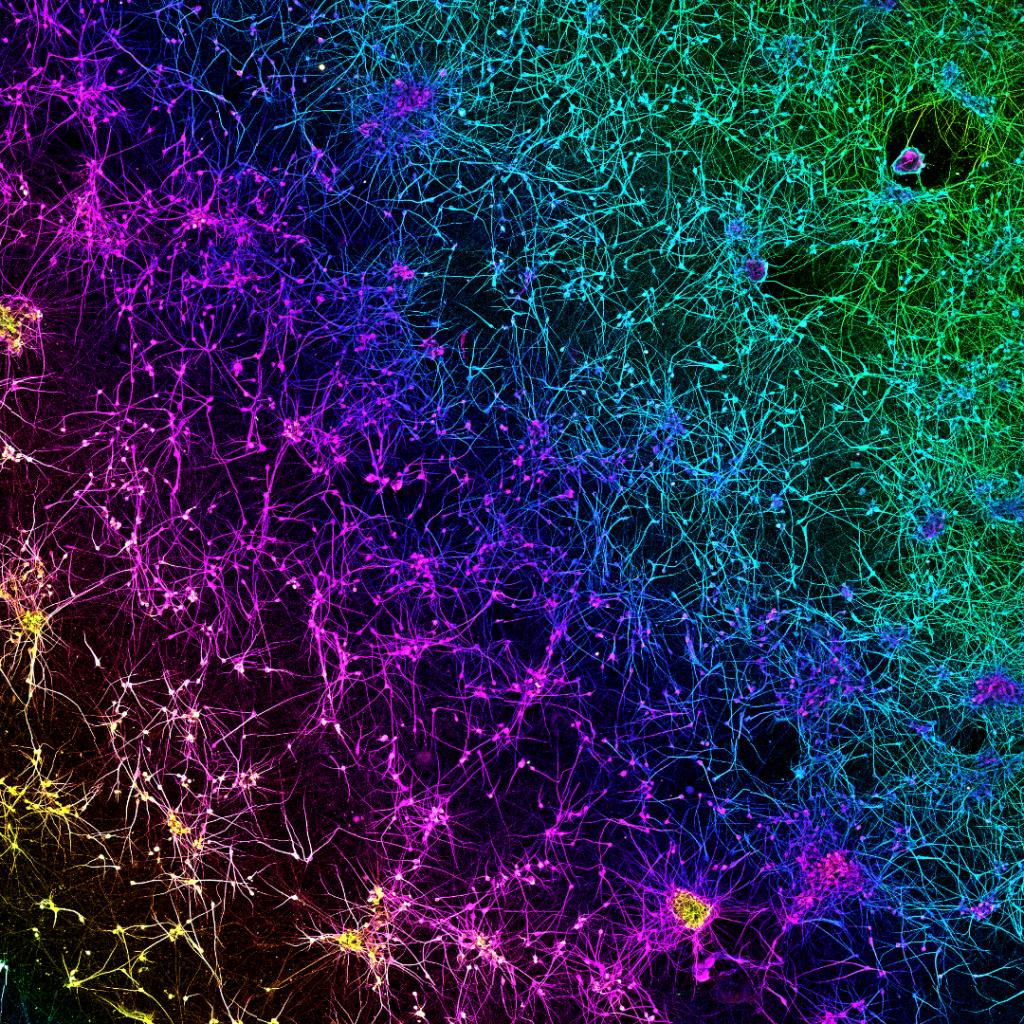
Prof. Maddy Parsons, BioImagingUK lead at King's College London said "We are delighted to welcome the 6 new sites to the UK Node. The leading expertise and technology platforms they bring enhances the UK Node by expanding our biological imaging capabilities and services to benefit the broader research community”
We're enormously grateful to the new sites for their enthusiasm in joining the Node, and to UKRI, BBSRC, MRC and the RMS for their continued support in growing this vital infrastructure for UK bioimaging.
Please visit www.eurobioimaging.eu for more details on the UK Node and how to apply.
October 8, 2026
This September, Euro-BioImaging was part of the Data Stewardship goes Germany (DSgG) Community Meeting in Cologne. Under the theme “from going to…

October 7, 2026
On 28–29 September 2026, the growing French volume electron microscopy (vEM) community came together in Bordeaux for the first France VolumeEM Scientific Days.

October 7, 2026
Euro-BioImaging joined partners from across Europe on 29. & 30. September 2026 at the official kick-off meeting for STARDAST, a new Horizon Europe…