October 26, 2026
Try novel imaging workflows with the IMAGINE Open Call
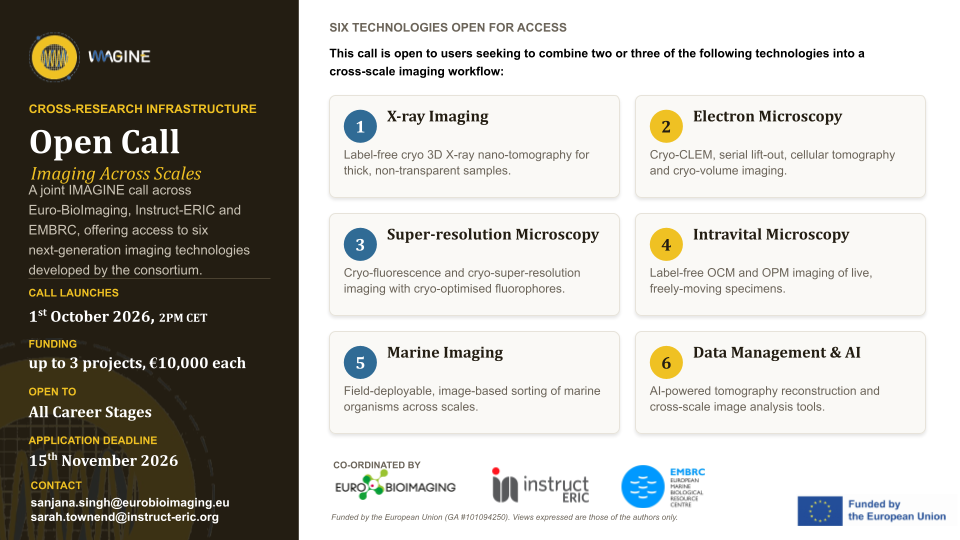
Could combining novel imaging technologies help you answer a research question—or develop a new workflow at your facility? The IMAGINE Open Call:…



Drought is becoming an increasingly serious challenge for agriculture, with climate change contributing to longer and more intense periods of water scarcity. Its impacts extend far beyond reduced plant growth, affecting crop establishment, productivity and ultimately the stability of food production. As water availability becomes less predictable, agriculture needs solutions that can help crops withstand periods of water stress while reducing reliance on resource-intensive or chemical-based interventions.
This challenge is particularly relevant for crops that play a central role in global food security. Rice is one of the world’s most important food crops, feeding billions of people, yet its semi-aquatic nature makes it particularly vulnerable to drought. Water shortage can severely affect rice growth and development, including during the early stages of germination and seedling establishment, a critical phase for ensuring successful crop establishment.
For Anca Macovei, Associate Professor at the University of Pavia and a plant biologist specialising in seed science and technology, this challenge led to a fundamental question: could treating rice seeds before sowing help young plants better withstand drought?
Her team’s D-PLASMA project was supported by the AgroSERV (GA 101058020) funding to explore an innovative approach based on cold plasma, a highly ionised gas that can modify the surface properties of seeds and accelerate water uptake. While plasma treatments have shown promise in improving seed germination and plant performance, their potential to enhance drought resilience in rice had not yet been investigated using high-throughput phenotyping.
To answer this question, Anca's team members Conrado Duenas from the University of Pavia and Teodora Tonto from the Campus Bio-Medico University of Rome combined expertise and technologies from different fields. First, rice seeds were treated with carefully controlled cold plasma conditions to identify treatments that could modify seed wettability and improve water absorption. But demonstrating that a treatment changes the seed is only the beginning. The researchers needed to understand what happened afterwards as the plants germinated, grew and responded to drought.
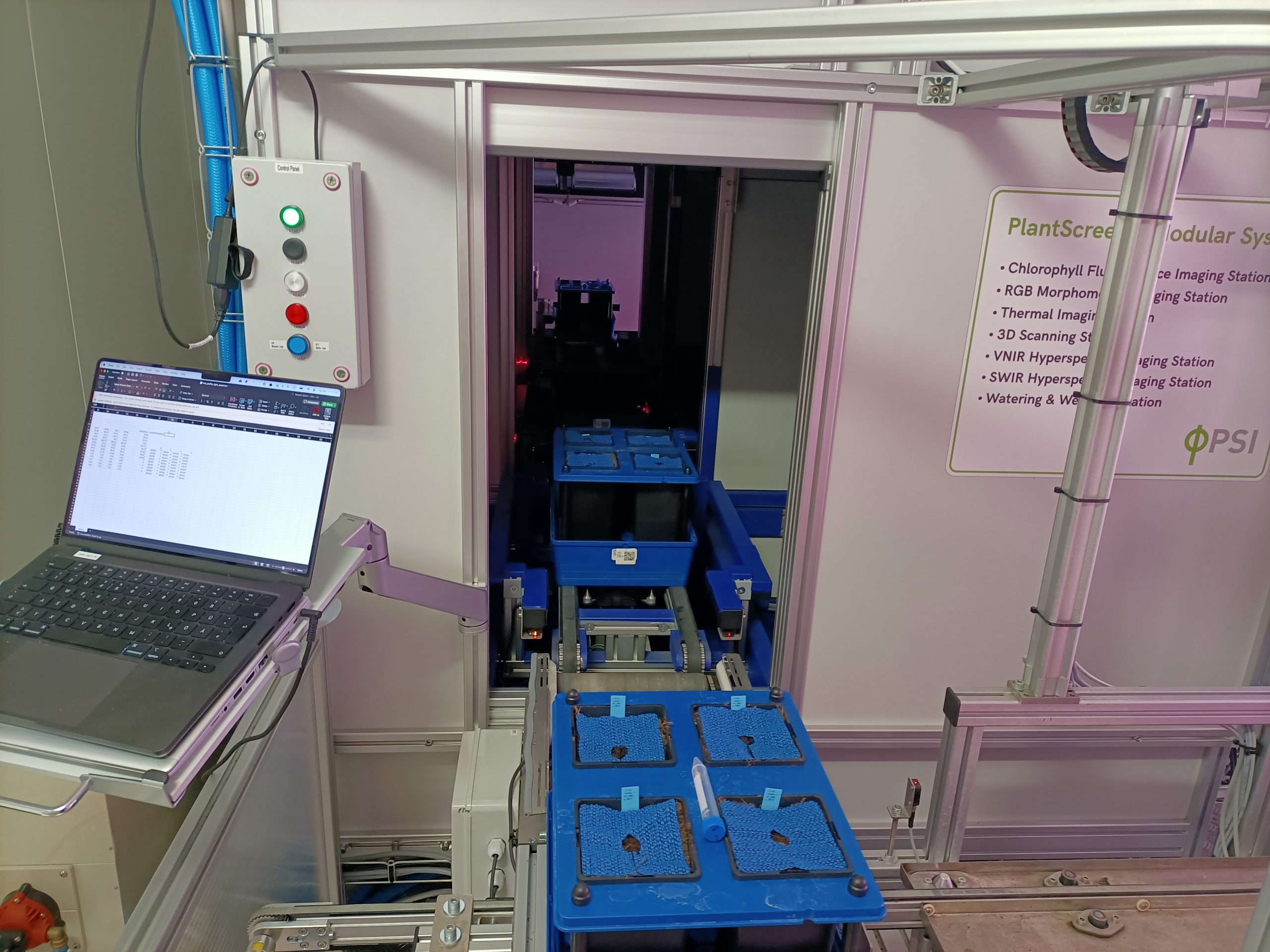
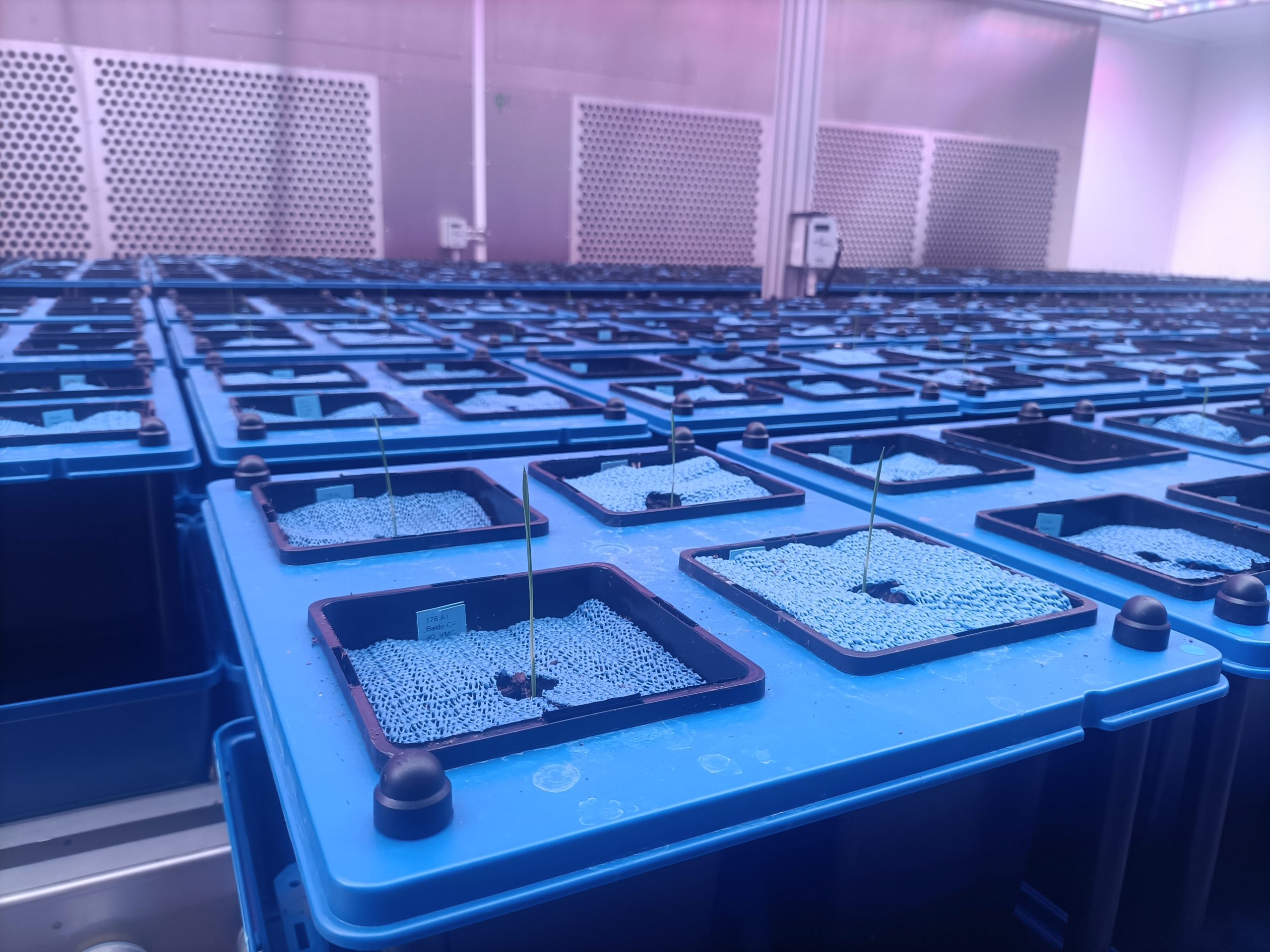
This is where access to Euro-BioImaging Austrian BioImaging CMI Node facility PHENOPlant in Vienna, became essential. At the facility, the team could expose plants to precisely controlled environmental conditions and continuously monitor their responses using a combination of advanced imaging and sensing technologies. RGB, hyperspectral, thermal, 3D imaging and chlorophyll fluorescence measurements provided complementary information on plant morphology, physiology, water status and development. Thanks to PHENOPlant's high capacity, the experiment was designed to compare plasma-treated and untreated plants across different drought conditions, with 600 plants analysed as biological replicates.
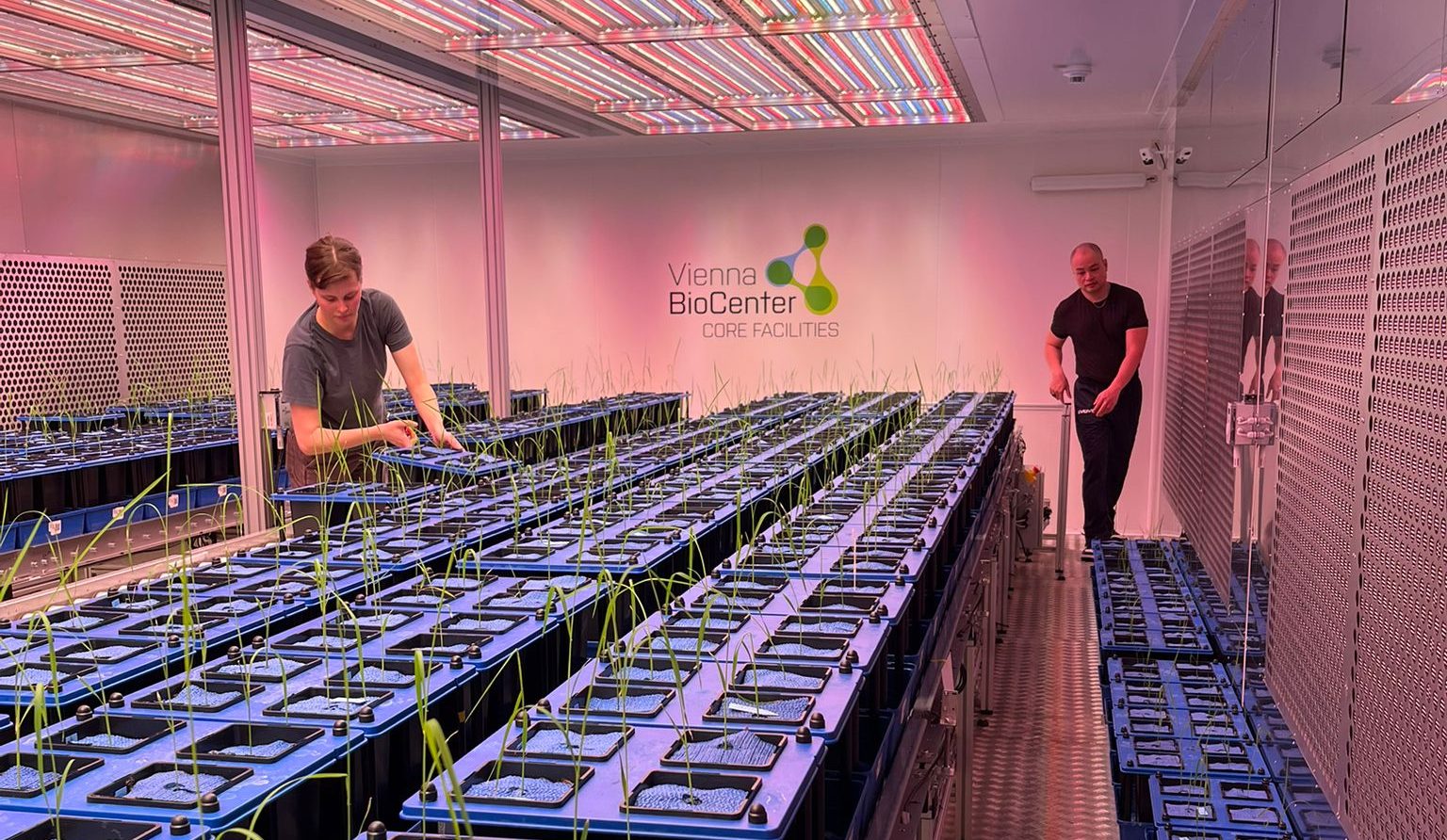
It allowed us to simultaneously and continuously monitor hundreds of plants, providing data that would be rather difficult to collect otherwise.
Anca Macovei
This combination of controlled environmental conditions and high-throughput imaging gave the researchers a much more detailed picture of how rice plants responded to drought.
Rather than relying on measurements taken at a few isolated time points, PHENOPlant facility enabled continuous monitoring of plant development. Anca was able to quantify characteristics such as plant architecture, leaf area, biomass, transpiration, stomatal conductance and water-use efficiency, key indicators of how plants cope with water deprivation.
The results showed that specific seed treatments could prime certain rice varieties to cope substantially better with drought stress, pointing towards a rapid and potentially sustainable strategy for improving crop resilience.
For Anca and her team, the value of the access went beyond a single experiment. The phenotyping data could be integrated with molecular and biochemical analyses carried out at their home institutions, including investigations of DNA damage and repair and redox metabolism. This multidisciplinary approach helped connect what could be observed at the whole-plant level with the biological mechanisms underlying stress responses.
Research questions increasingly require technologies, expertise and experimental capacity that cannot be provided by a single laboratory.
For Anca, accessing a specialised research infrastructure such as Euro-BioImaging meant gaining both state-of-the-art technology and access to specialised expertise. The PHENOPlant team brought extensive experience in plant phenotyping under stress conditions, while Anca's team contributed their expertise in seed biology, plant stress responses, DNA damage and repair. This combination created something greater than the sum of its parts: researchers could ask a complex biological question and access the technologies needed to investigate it at a scale and level of precision that would otherwise be difficult to achieve.
And the benefits can extend well beyond one project. According to Anca, the collaboration and access provided a starting point for further scientific collaborations and helped the team secure support for additional research projects.
Anca's story illustrates one of the fundamental strengths of Europe’s research infrastructure landscape: researchers do not need to have every technology in their own laboratory to carry out ambitious research.
Through access programmes such as AgroServ, researchers can connect their scientific questions with specialised facilities and expertise elsewhere in Europe. In this case, a research team from Italy combined its knowledge of seed biology with cold plasma expertise and advanced plant phenotyping capabilities in Austria and Slovenia.
Such access helps researchers explore new scientific directions, generate high-quality data and build collaborations across institutions and countries. It also strengthens the ability of European research to respond collectively to major challenges from climate resilience and sustainable agriculture to food security.
For Anca Macovei, the message to other researchers is clear:
“I highly encourage my colleagues to participate in these initiatives. It is a unique opportunity to collaborate with highly specialised experts who can help respond to specific research questions.”
Anca Macovei
October 26, 2026
Could combining novel imaging technologies help you answer a research question—or develop a new workflow at your facility? The IMAGINE Open Call:…
October 23, 2026
At the Special Edition Virtual Pub, “Imaging Micro- and Nanoplastics,” Euro-BioImaging users, Node experts and Industry partners will explore how advanced microscopy, clinical…
October 23, 2026
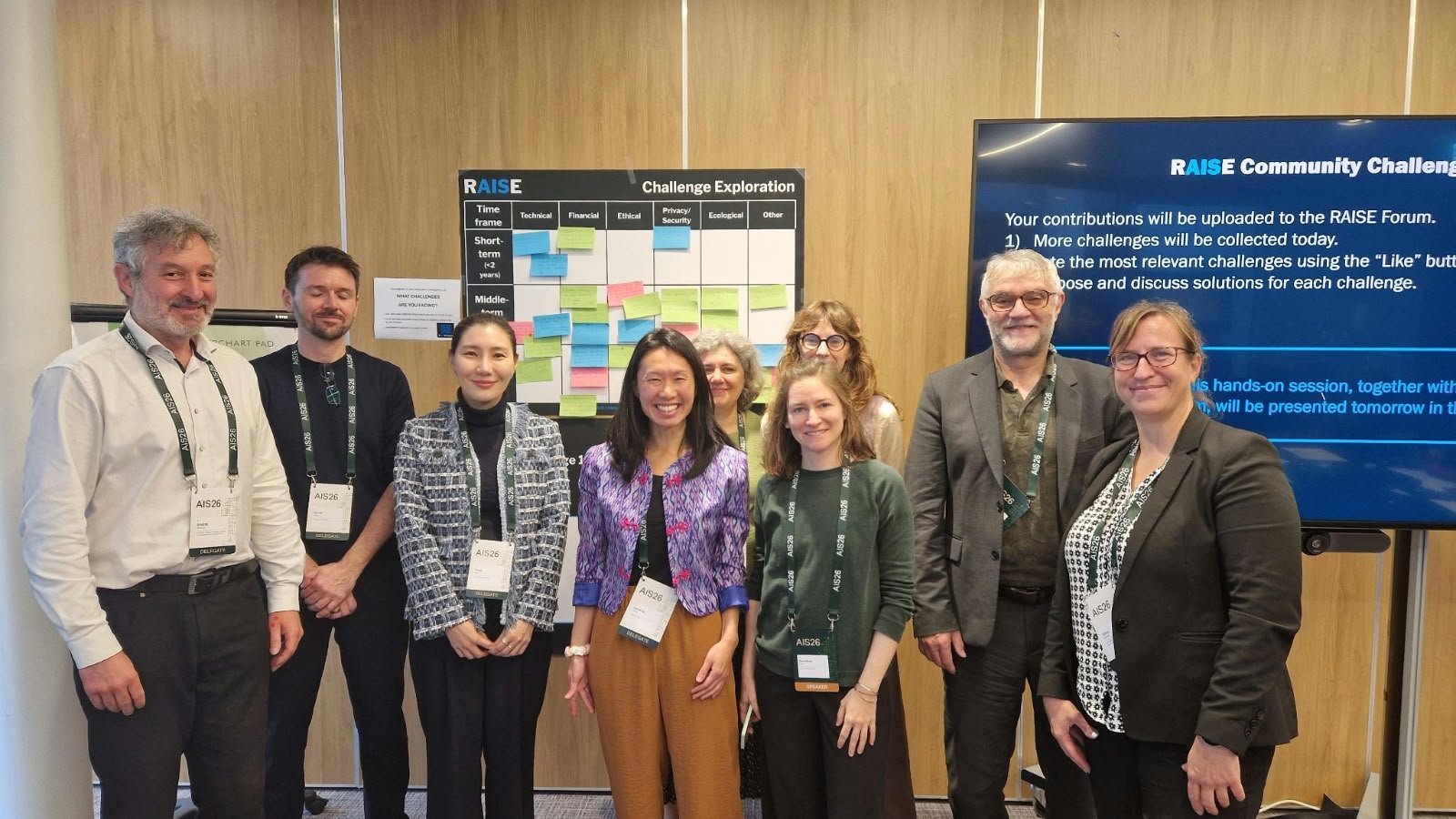
At the AI in Science Summit 2026 (AIS26) in Dublin, Euro-BioImaging joined Europe’s scientific community, AI experts, industry representatives and…