
October 12, 2026
EVOLVE Mentoring Programme 2026: Building connections across the imaging community
The second edition of the EVOLVE Mentoring Programme has come to a close, marking the end of several months of mentoring, knowledge exchange…



The IIS La Fe (Instituto de Investigación Sanitaria La Fe) in Valencia, hosting the Euro-BioImaging Radiology and Medical Imaging Valencia Node, has inaugurated a new medical imaging–focused High Performance Computing Data Center (HPC Data Center) designed to enable advanced use of artificial intelligence in clinical practice and biomedical research. The center addresses the growing volume and complexity of medical imaging data, much of which has so far remained under-utilized due to computational limitations.
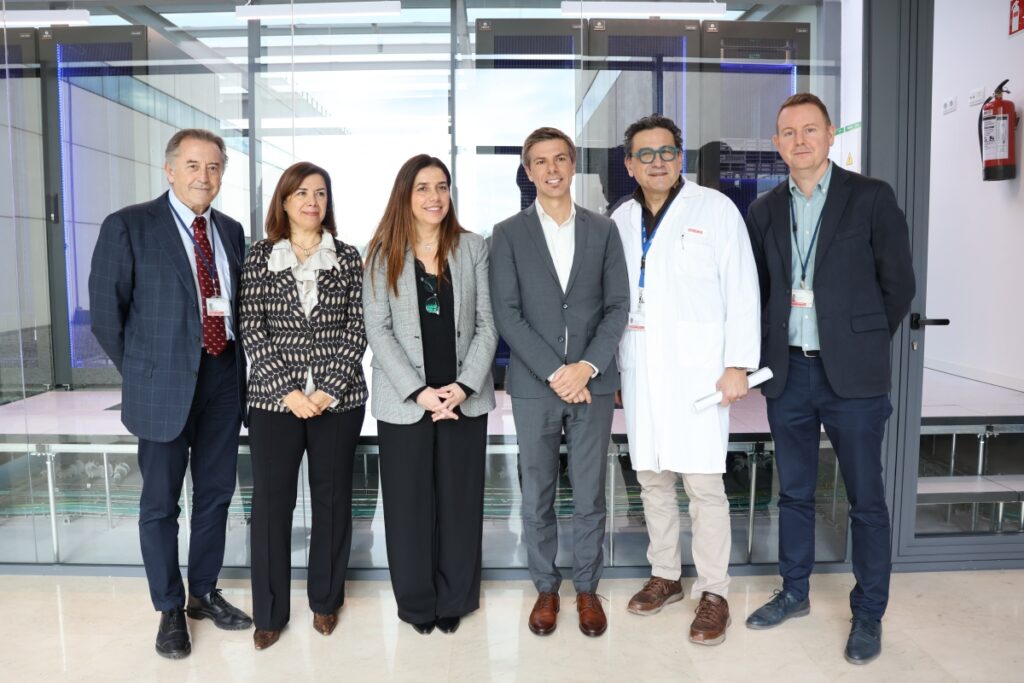
The new HPC Data Center will support AI models capable of identifying complex patterns in medical images with high precision, helping radiologists improve diagnostic accuracy and move toward more personalized treatments. Institute and hospital leaders highlighted its role in strengthening data-driven, evidence-based healthcare while ensuring ethical and clinically grounded AI development.
Thanks to this infrastructure, IIS La Fe is already working on projects such as digital twins, virtual biopsies, generative AI for image harmonization, and predictive models for detecting complex lesions, including in breast cancer and lung cancer screening. The center will operate as a federated node, connected with other hospitals and research institutes to develop and validate clinically applicable AI solutions.
With an investment of over €697,000, the project includes GPU-based supercomputing resources and is fully operational. Beyond its clinical impact, the HPC Data Center will serve as a hub for interdisciplinary collaboration and advanced training in biomedical supercomputing, reinforcing IIS La Fe’s leadership in medical imaging and AI-driven health research.
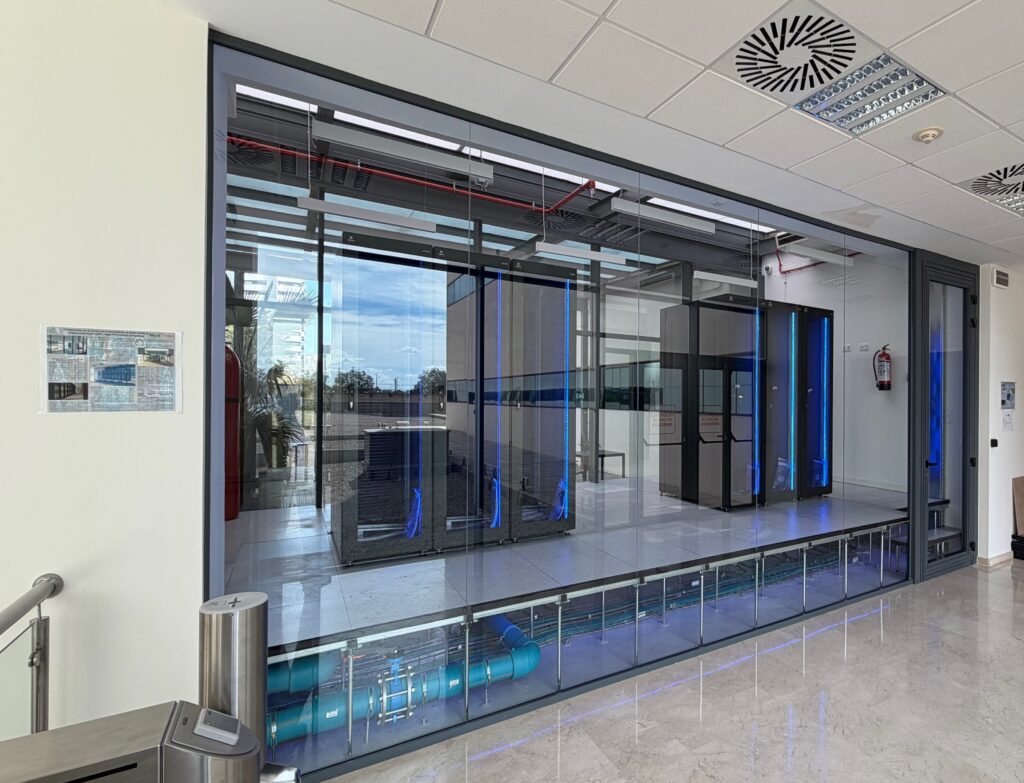
As a key partner within the Euro-BioImaging Radiology and Medical Imaging Valencia Node, IIS La Fe contributes to advancing large-scale medical imaging research, facilitating access to state-of-the-art technologies, and supporting collaborative projects across Europe. By expanding its data processing and AI capabilities, the institute further strengthens the European ecosystem for medical imaging research and innovation, supporting interoperability, multi-centre collaboration, and the translation of imaging-based discoveries into clinical practice.
October 12, 2026
The second edition of the EVOLVE Mentoring Programme has come to a close, marking the end of several months of mentoring, knowledge exchange…

October 8, 2026
This September, Euro-BioImaging was part of the Data Stewardship goes Germany (DSgG) Community Meeting in Cologne. Under the theme “from going to…

October 7, 2026
On 28–29 September 2026, the growing French volume electron microscopy (vEM) community came together in Bordeaux for the first France VolumeEM Scientific Days.