
January 17, 2024
EDX Imaging: Electron Microscopy beyond the grey-scale
Electron Microscopy holds the key to understanding the ultrastructure of biological systems, but finding what you are looking for in the high resolution EM…


January 17, 2024
Electron Microscopy holds the key to understanding the ultrastructure of biological systems, but finding what you are looking for in the high resolution EM…
January 3, 2024
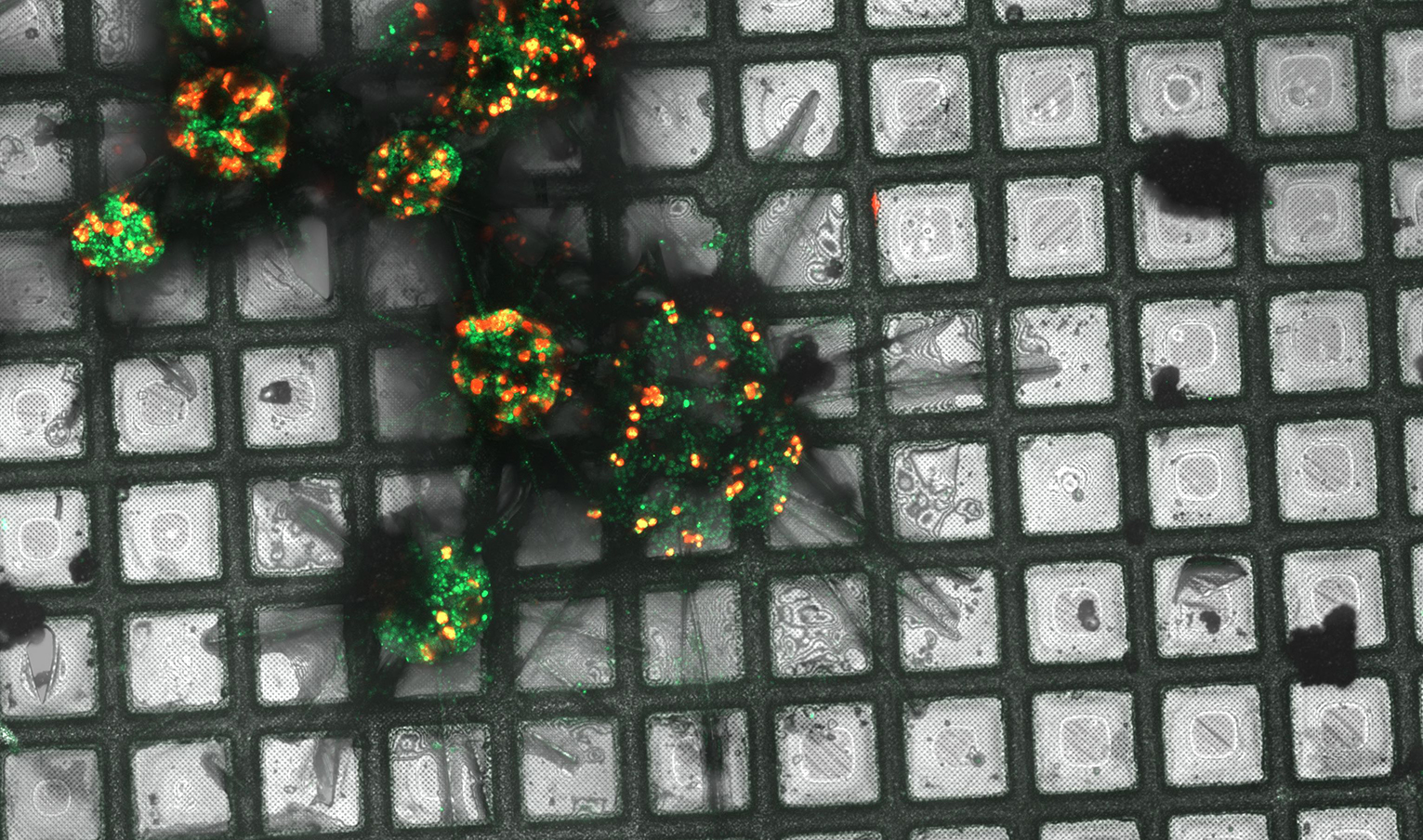
Studying macromolecular complexes in their native environment in a cell is a real challenge, but new methods and technology advances are allowing scientists to…
November 20, 2023
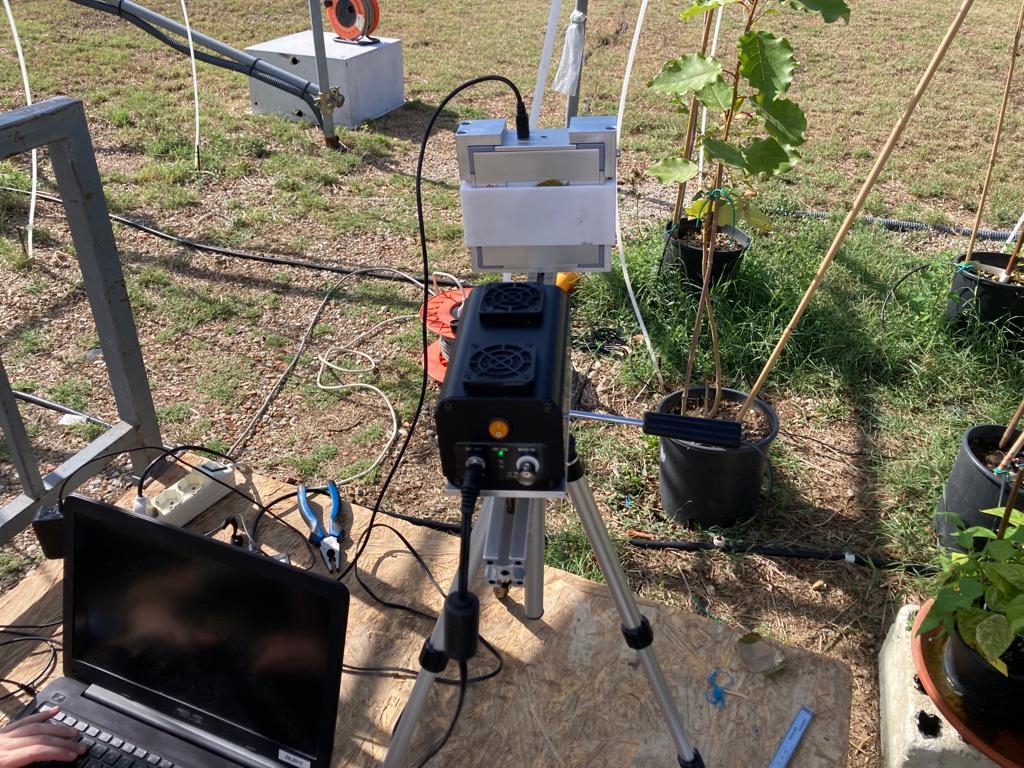
Working on plant biology? Want to detect leaf water stress or assess the quality of dry fruits like chestnuts and hazelnuts? TeraHertz Imaging could…
March 23, 2023
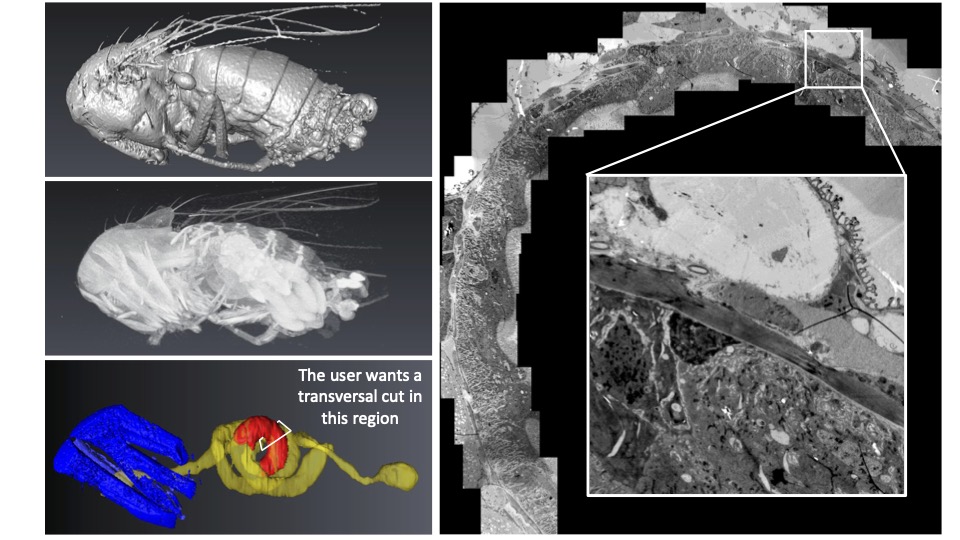
Correlative X-ray imaging and electron microscopy (CXEM) is the combination of X-ray imaging and electron microscopy. It is a correlative approach that makes it…
March 16, 2023
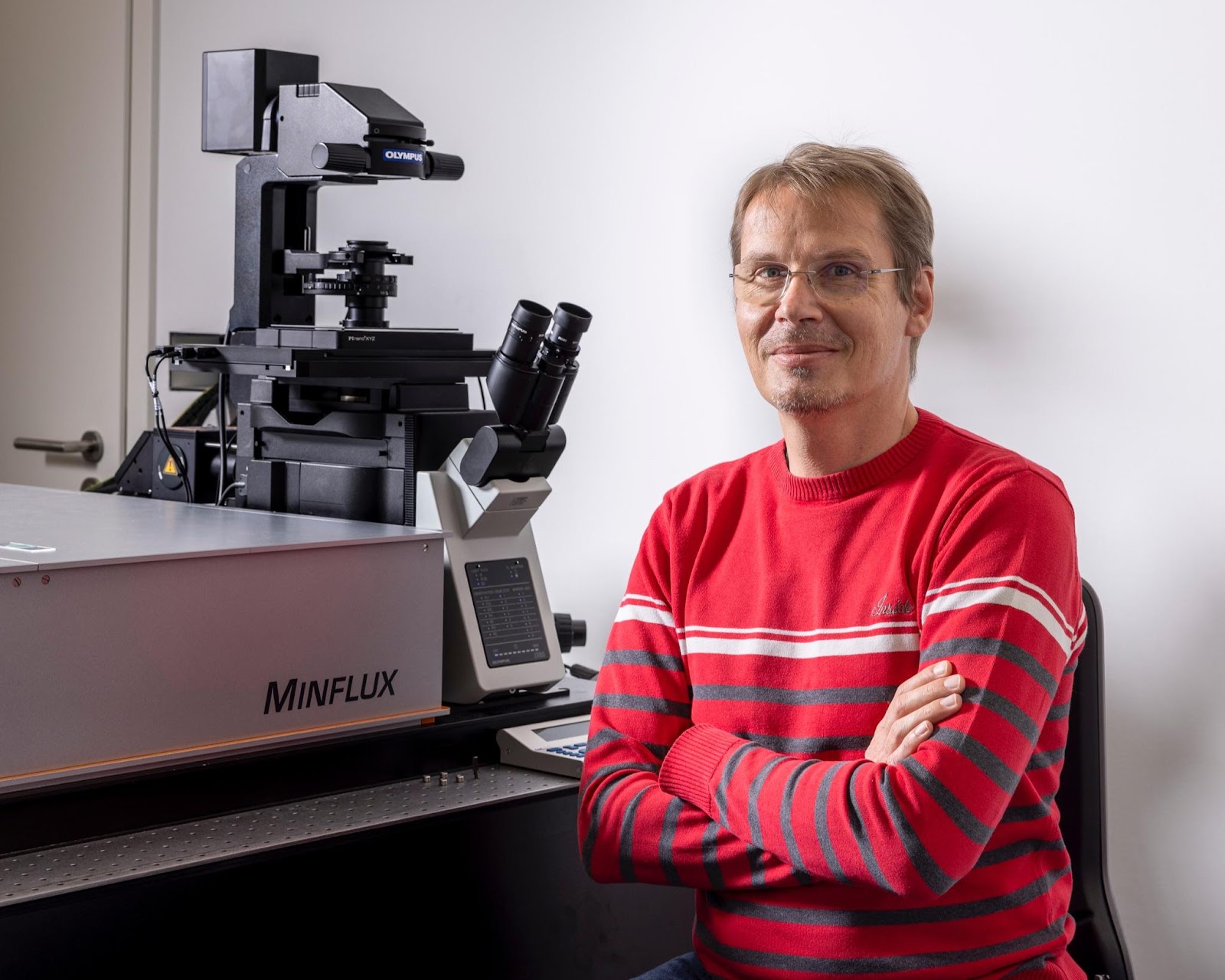
MINFLUX is a super-resolution approach developed by Nobel prize laureate Stefan Hell in 2016. Two Euro-BioImaging Nodes are currently offering MINFLUX in open access…

March 14, 2023
Want to see objects that are 5 nanometers apart? Need to track objects moving in live cells with high temporal resolution? Then why not…
March 9, 2023
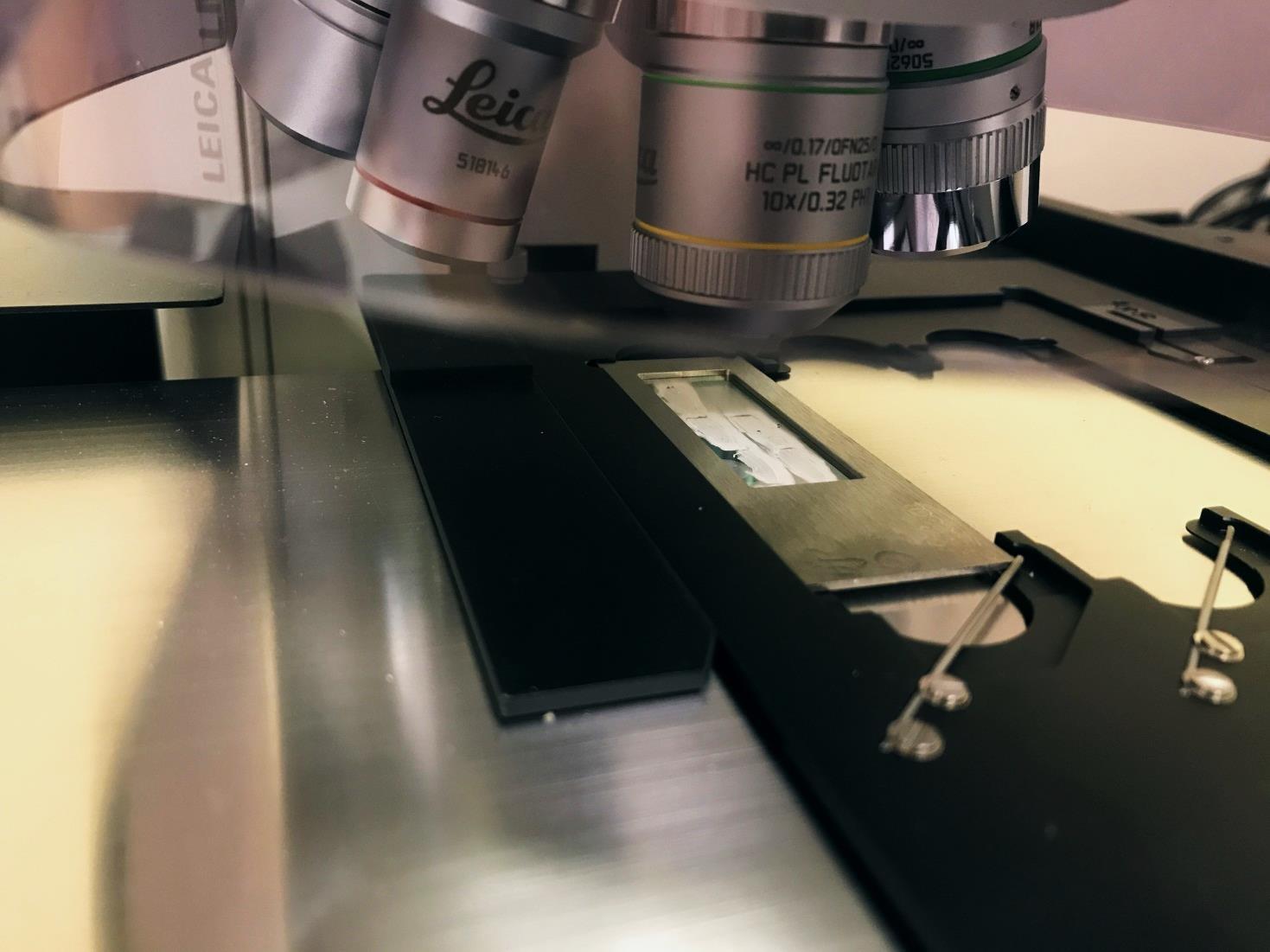
Want to look at tumor vs. healthy tissue within a sample? Laser microdissection enables you to select a material based on its spatial or…
March 7, 2023
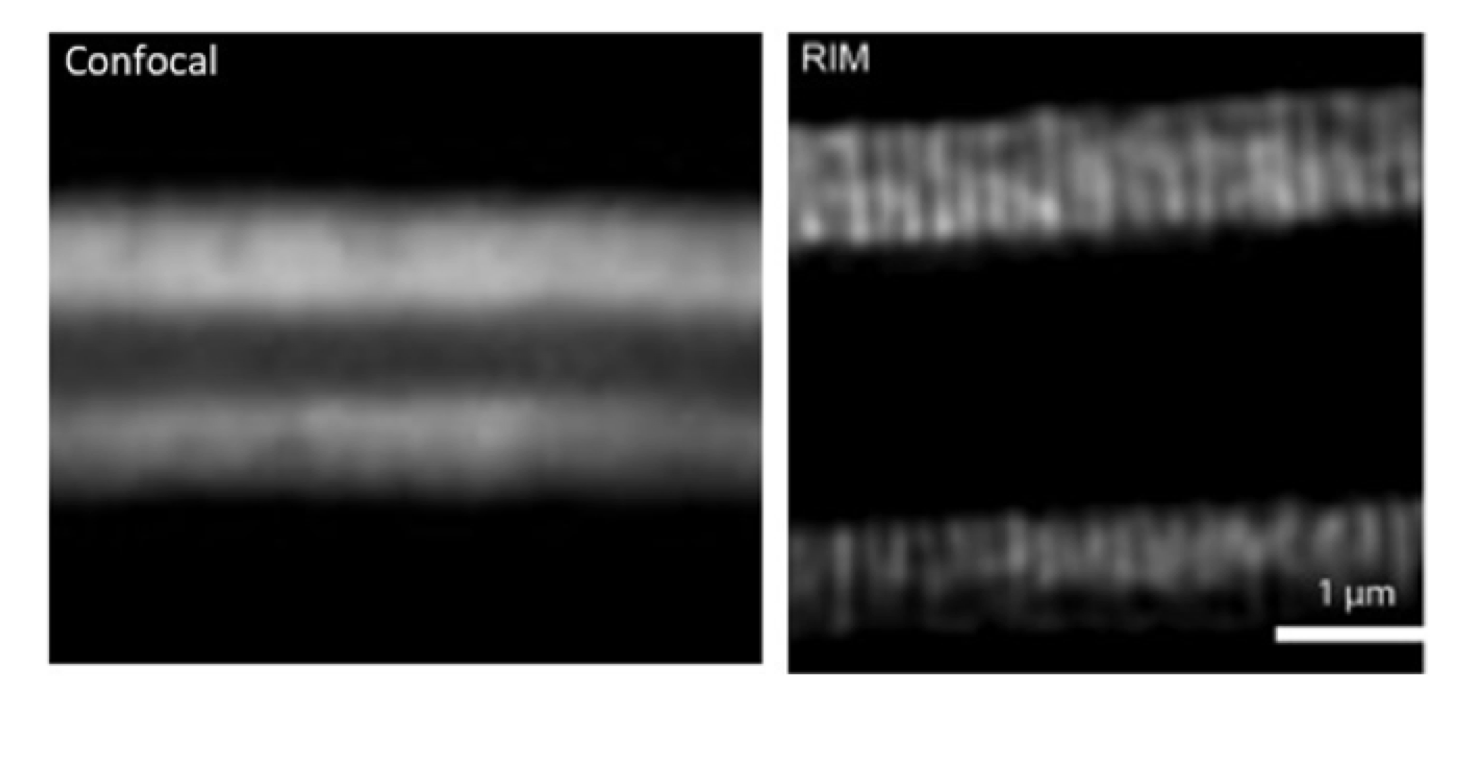
Are you interested in looking at tissues or other thick samples in high resolution? We spoke to Marc Tramier, a group leader at the…
March 1, 2023
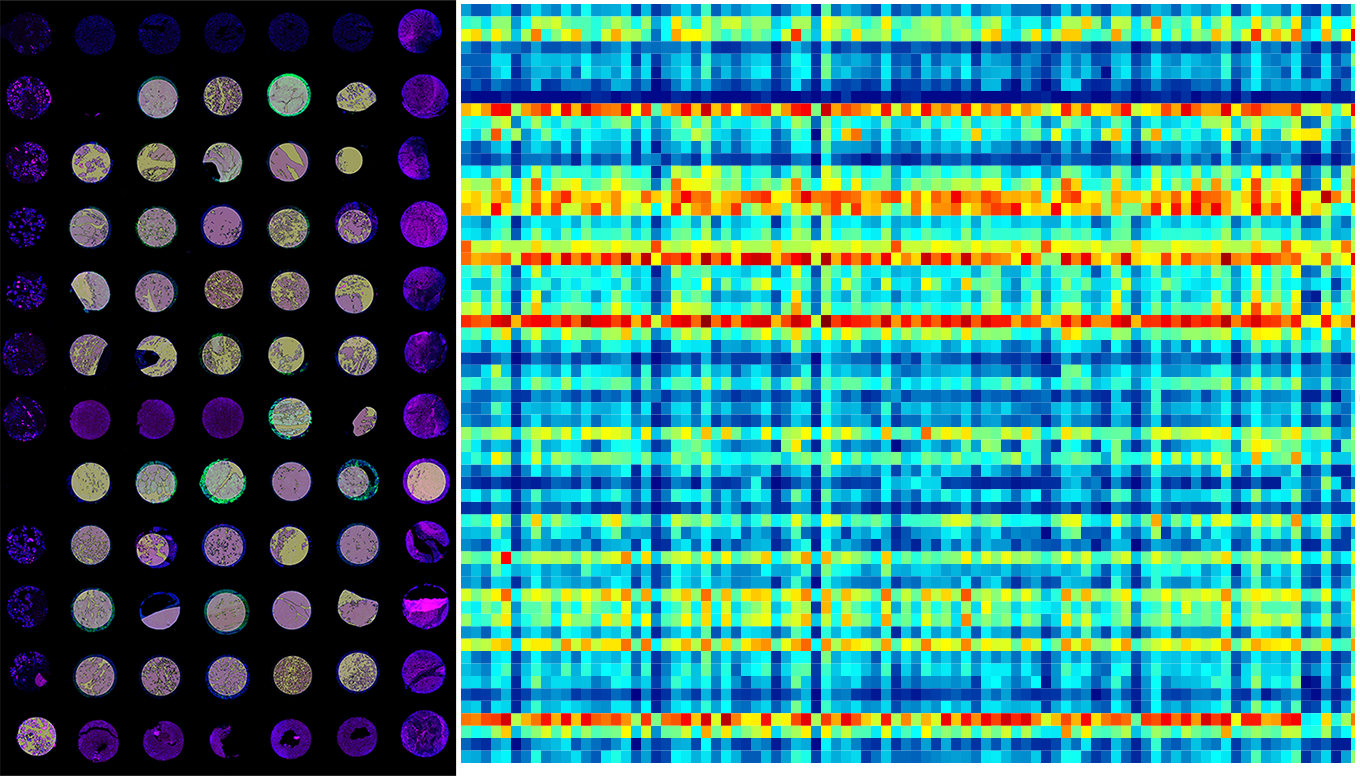
Spatial Transcriptomics is a useful approach for understanding tissue architecture and for understanding the molecular basis of health and disease. The Bioscience Technology Facility…

February 28, 2023
Want to see adherent cells with low phototoxicity and photobleaching? What about spheroids and organoids? Both of these are possible with Lattice Light-sheet imaging,…

February 23, 2023
Want to look at subcellular structures such as mitochondria, centrioles and microtubules in super-resolution? Only have access to conventional diffraction-limited microscopes? By physically expanding…